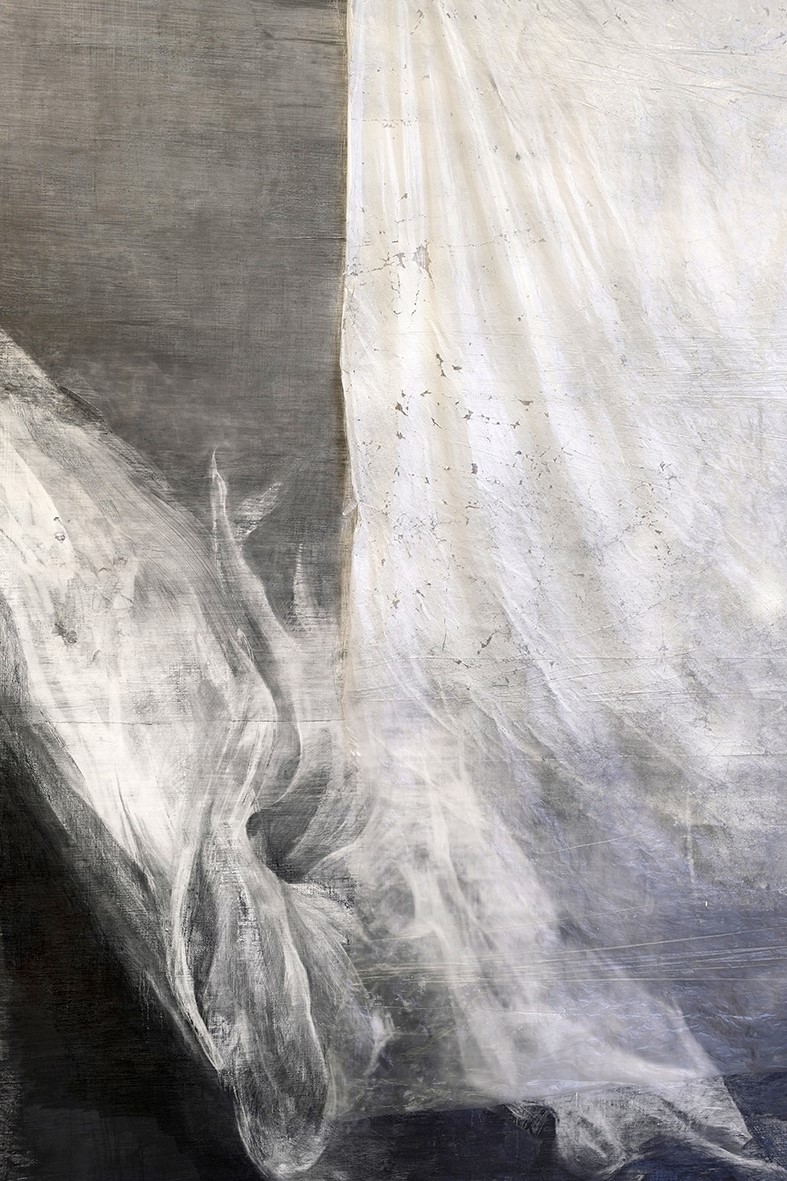
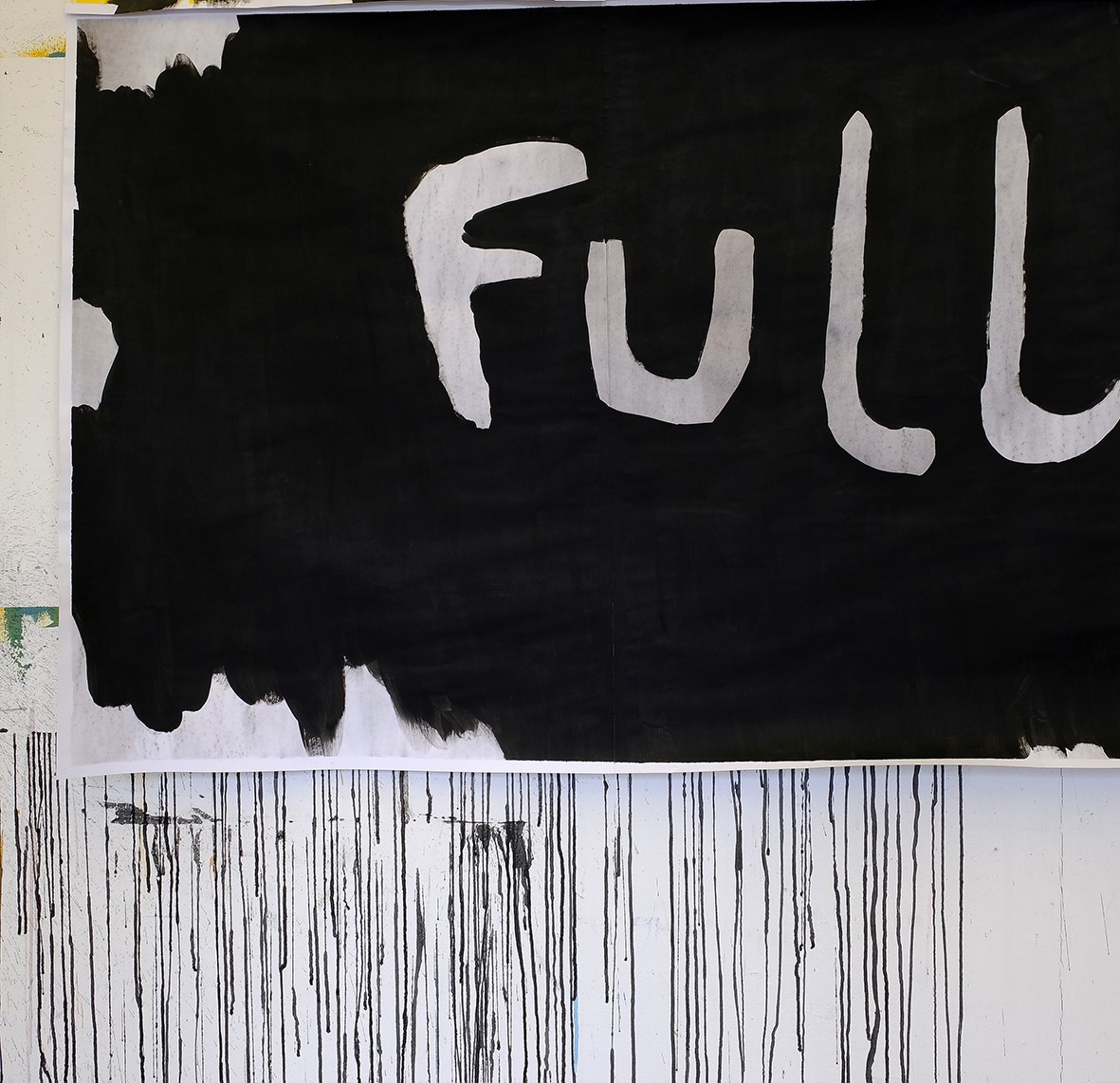
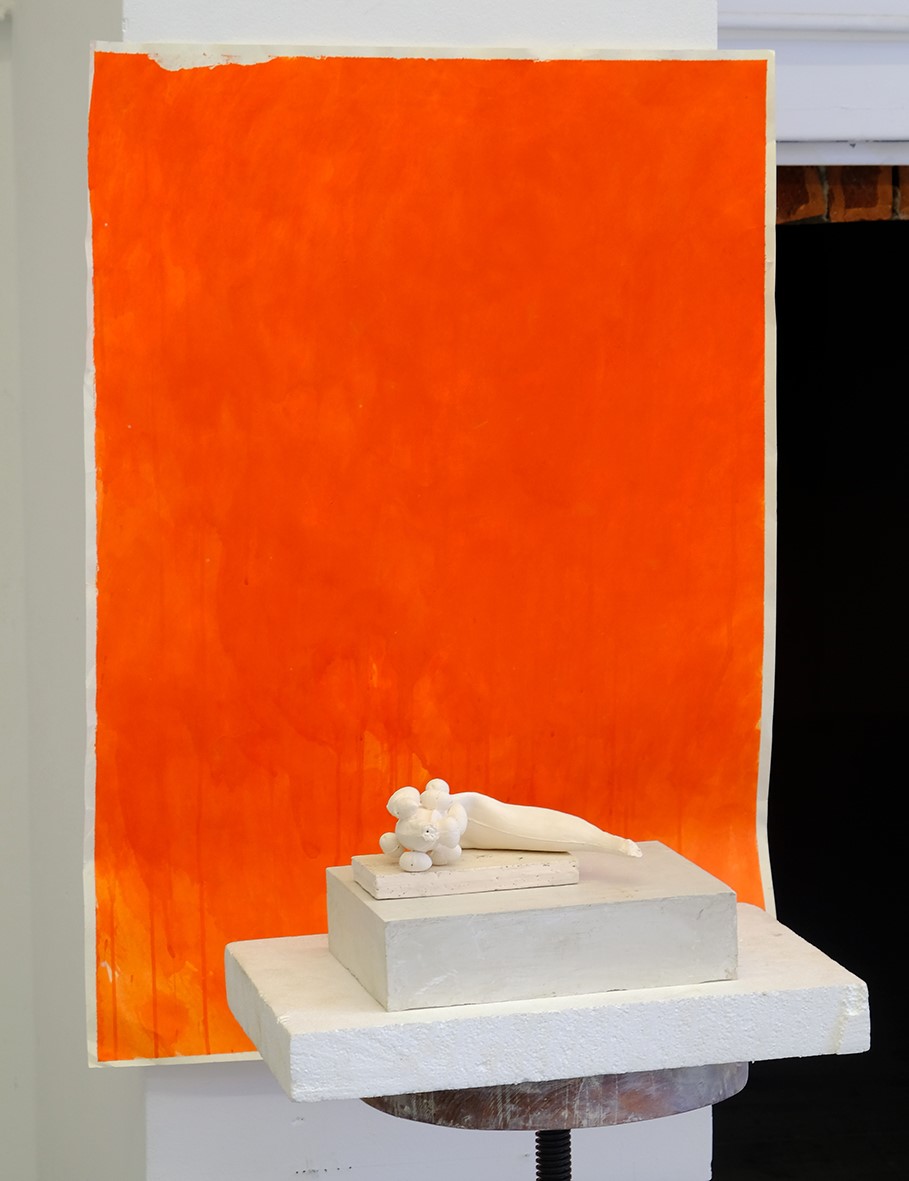
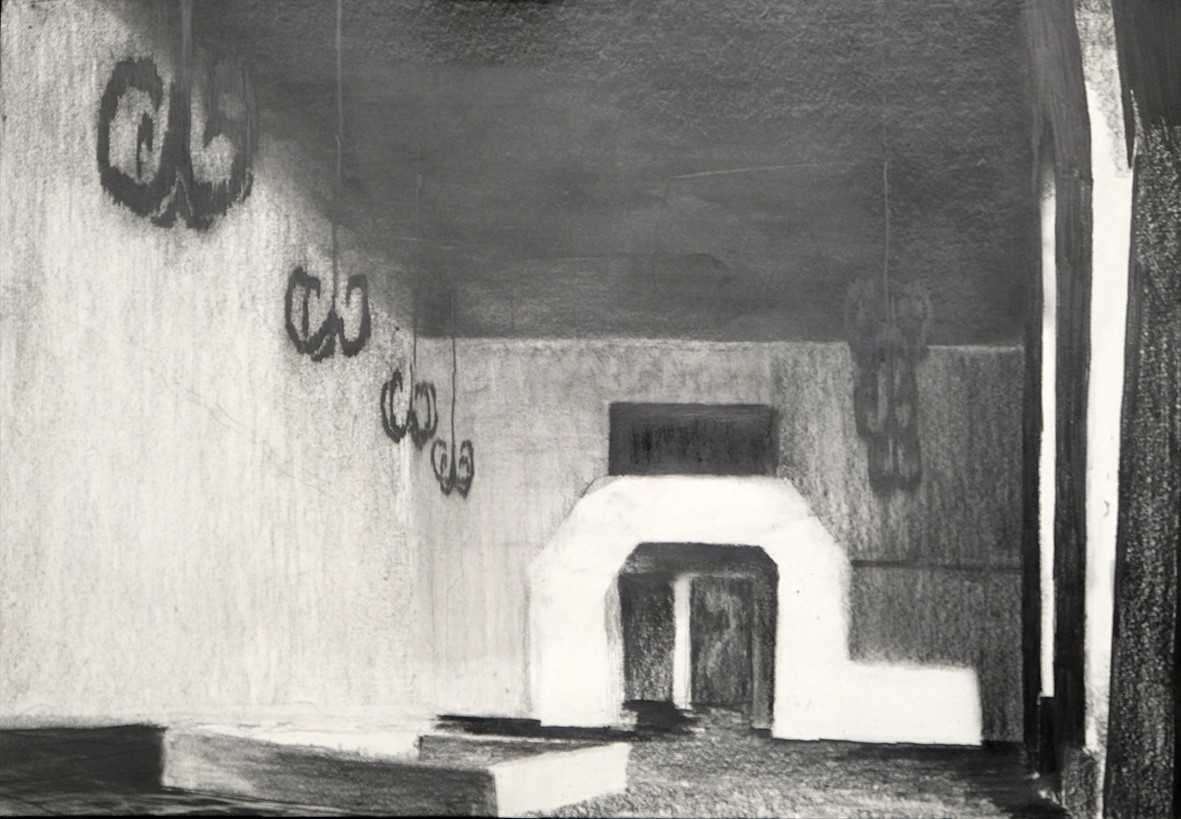
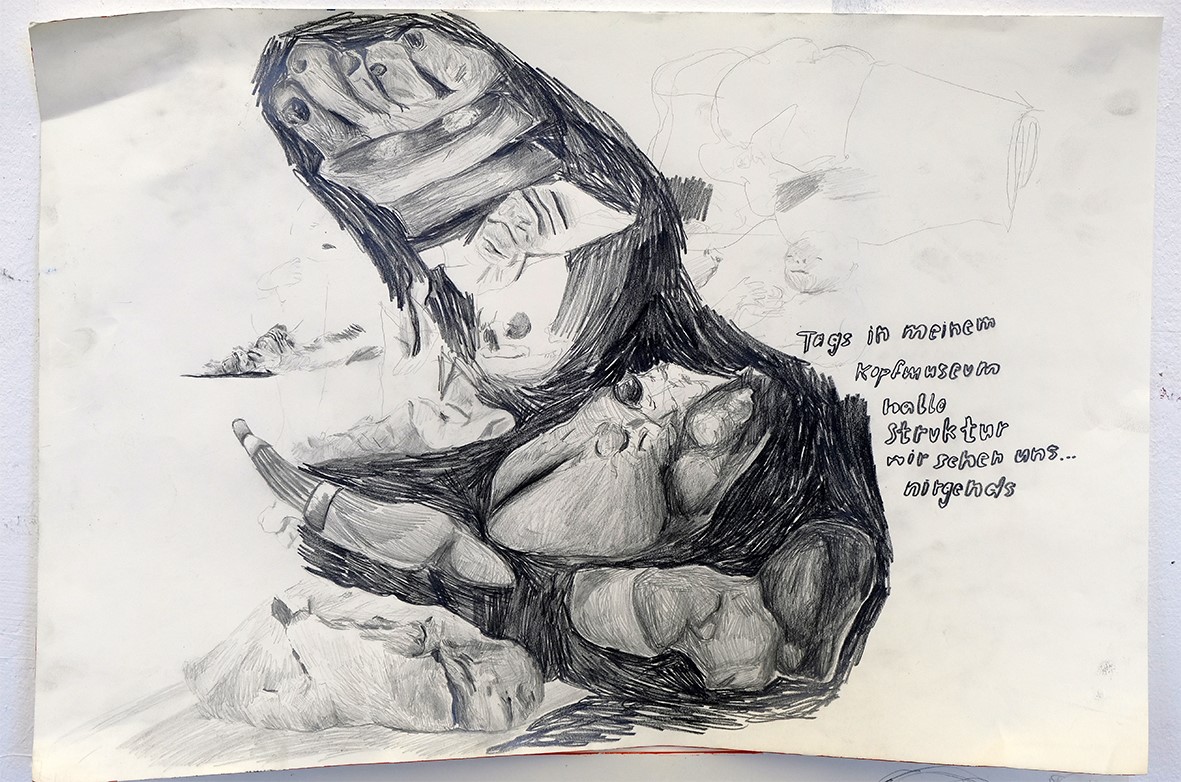
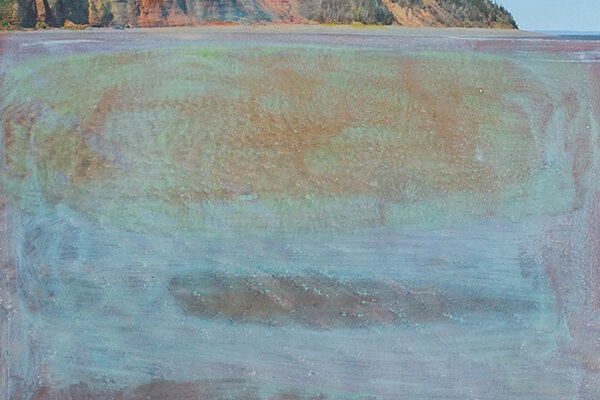
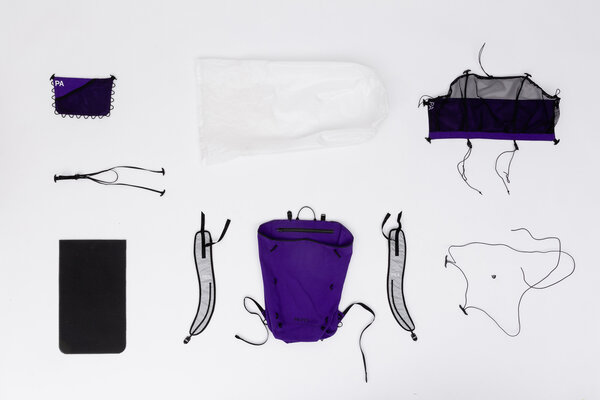
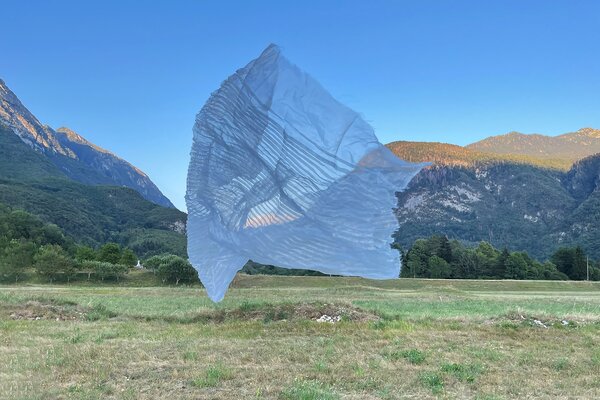
Similarly, drawing as an independent language, based on direct hand drawing, opens up a wide range of possible interfaces with photographic, performative, digital or installation-based visual forms. The basics of drawing mean opening up the field for exploring all facets of drawing possibilities. This includes observation, learning to observe objects closely and understand them visually, and equally training the imagination and developing one's own visual ideas. Through free experimentation, exploring uncharted territory and the courage to reinvent, drawing develops into an artistic form.
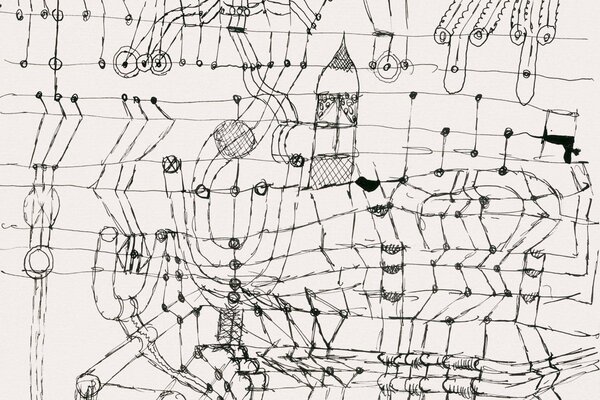
This means trying out materials, lines and surfaces, light and shadow. The sum of the strokes results in a complete image. The movement of drawing creates speed. Adding and removing, erasing, rubbing, cutting and collaging make the working process plastic.
Drawing straight lines, curved lines – slowly or quickly, drawing from the wrist or from the movement of the arm, the body. Drawing on large formats and the relationship between the subject of the drawing and the paper. The pressure of the pencil and the presence and blackness of its line. ...or the delicacy of a tentative trace.
Prof. Julia Kröpelin