Facility

Burg Gallery

Public exhibition space

16 April ‒ 31 May 2026
The Gallery as a Stage: #2_Acting/Reacting

For the second part of the series The Gallery as a Stage: #2_Acting/Reacting, we want to deliberately break with the previous perception of the gallery and give all rooms different functions in order to stimulate new forms of interaction and presentation.
To this end, we are taking the title literally and constructing a stage set designed by Prof. Tilo Baumgärtel in the larger gallery space, while the other rooms can be used as backstage areas, storage rooms, dressing rooms and much more. 
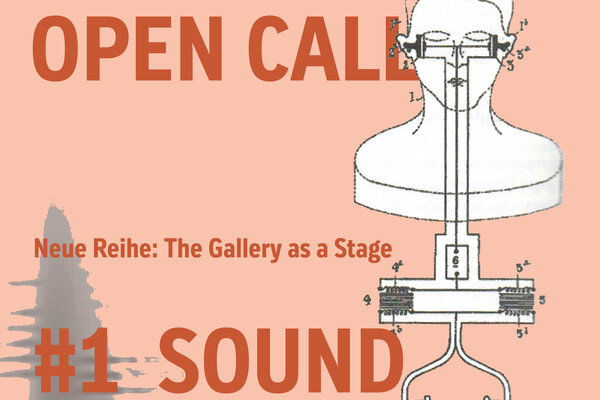
Following an OPEN CALL for students and alumni of BURG, a university jury selected 27 proposals from 41 applications.

The opening will take place on 14 April 2026.

On 9 May 2026, the Burg Gallery will take part in the Halle & Leipzig Museum Night.


18 July  ‒ 9 August 2026
Take Off 2026 – Meisterschüler*innen der BURG

With Take Off 2026, BURG continues its exhibition series that began in August 2021 and will show the final projects of the master students in parallel with the annual exhibition in mid-July 2026.


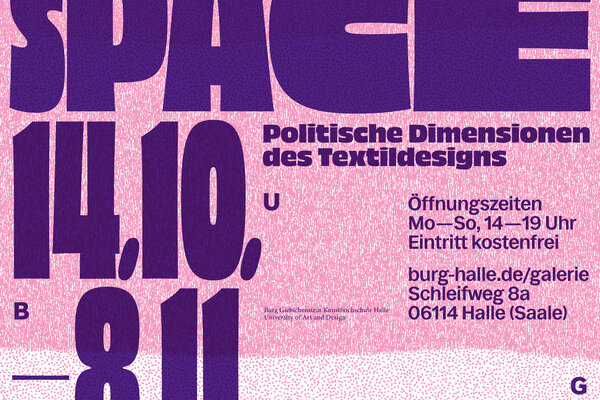
14 October ‒ 8 November 2026
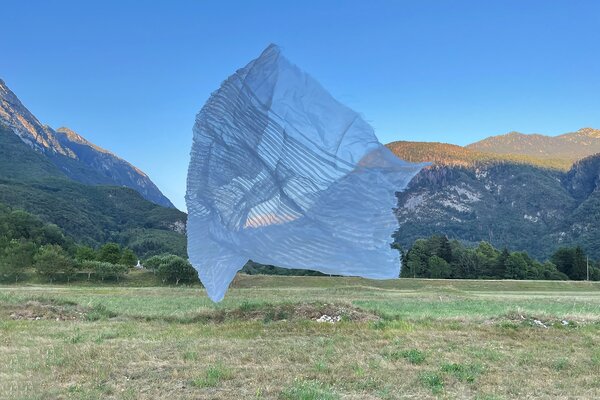
Jeder Stoff ist ein kleiner Raum (WT)

Semester project by Prof. Bettina Göttke-Krogmann (Professor of Textile Design)


19 November 2026 ‒ 14 January 2027
Exhibition by Prof. Tobias Hantmann's class for painting and graphic arts


As of 17 December 2025

Art mediation formats

In addition to the conception and realisation of exhibitions, Burg Gallery im Volkspark sees its task as communicating the exhibition ideas and the contemporary art and design positions on display to a wide audience in a variety of ways.

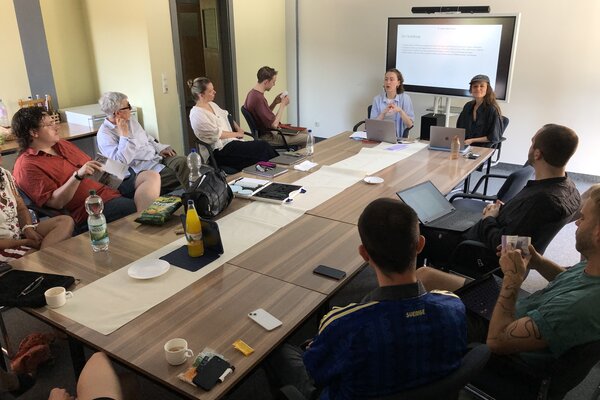
To this end, an extensive accompanying artistic programme is being developed that provides various ways of accessing contemporary art. For example, aspects of artistic work will be examined in discussions with the artists in front of their works, contexts of creation will be illuminated, work contexts will be scrutinised and thematic explorations will be presented. The programme is constantly expanding its formats, also by taking into account the wishes and ideas of the exhibitors and visitors.

The following three focal points I. Actions by artists, II. Dialogue-based art education and III. Discursive events have crystallised and proven themselves in recent years of art education practice.

I. Actions by artists

The concept of an artistic work is constantly changing. Artists often not only work with different media, but also engage with other areas of art such as theatre, literature, music, entertainment and popular culture as well as social and scientific issues.
Artistic works such as performances, but also appearances such as lectures or readings, expand the spectrum of encounters between actors and audiences. In these forums, questions about the conditions of existence of artists and designers, the role of artistic networks and joint actions are also discussed.

  • Performances
  • Lectures by students and guest artists
  • readings
  • workshops
  • Actions/Interventions

II Dialogue-based art education

In addition to the protagonists, visitors also have their say. We summarise various approaches under the heading of ‘dialogue-based art education’. Artist talks and guided tours are based more on the professional expertise of the mediators. In the art education programme, on the other hand, ideas for participatory forms of exchange are developed and implemented in the exhibitions together with the visitors. This also includes insights into teaching.

  • Artist talks before the works
  • Guided tours (with curators, professors, etc.)
  • Guided tours with students (every Sunday at 3 pm)
  • Insights into teaching
  • Experimental formats

III Discursive events

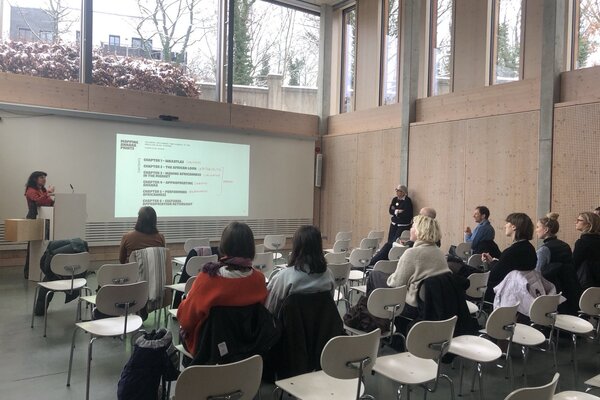
Once or twice a year, we organise larger discursive events on relevant issues in art and design. These can be scientific-artistic symposia or panel discussions with representatives from various artistic fields. In this context, we are particularly interested in the type of presentation and exchange of ideas, which can be realised in the form of a controversy or as a creative short form such as a slam or Pecha Kucha.

  • Symposia
  • (Podium) discussions
  • Lectures / keynote speeches
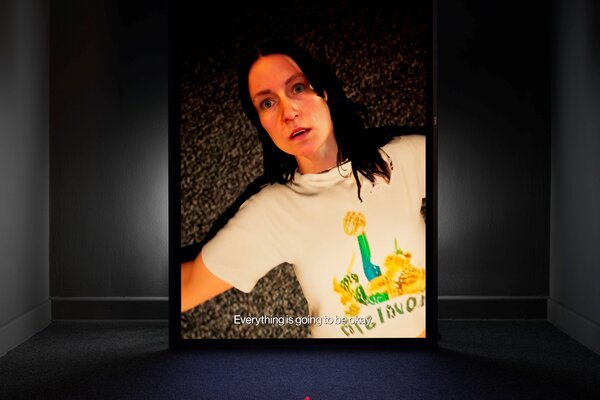
  • Audio and film screenings with discussion
  • Catalogue presentations

IV. Digital events

Due to the coronavirus pandemic, Burg Galerie has also tried out and developed new art education formats. Due to the changed framework conditions, established formats such as artist talks via livestream were transferred to digital. This gave rise to new questions. At the same time, other avenues were explored and initial ideas were realised that incorporate the digital.

New questions have arisen and we are looking for answers to them:

  • What does it take to make a sensory experience possible when it means being there without being physically present?
  • What does it mean to no longer stand directly in front of the artwork?
  • How can forms of dialogue be implemented in digital space?
  • How can artistic processes and material handling be conveyed in digital workshops?

About the gallery

The main focus of the Burg Gallery in the Volkspark is the presentation of art and design work from Burg Giebichenstein University of Art and Design Halle to the public in an effective manner. As the university gallery, it presents exhibitions of students’ works and projects in addition to personal exhibitions by artists who teach or have taught at the university. The results of national and international exchange programmes with other universities are also showcased. Admission to the exhibitions is generally free of charge.

Exhibition rooms

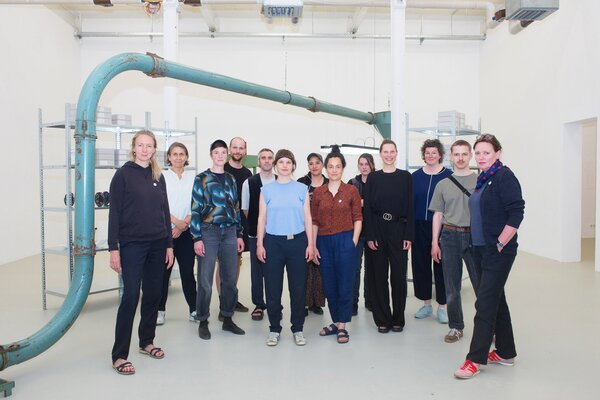
The two connected rooms (195 m2 and 150 m2) on the ground floor of the ‘Volkspark’ building at Schleifweg 8a in Halle can be used in a variety of ways.