
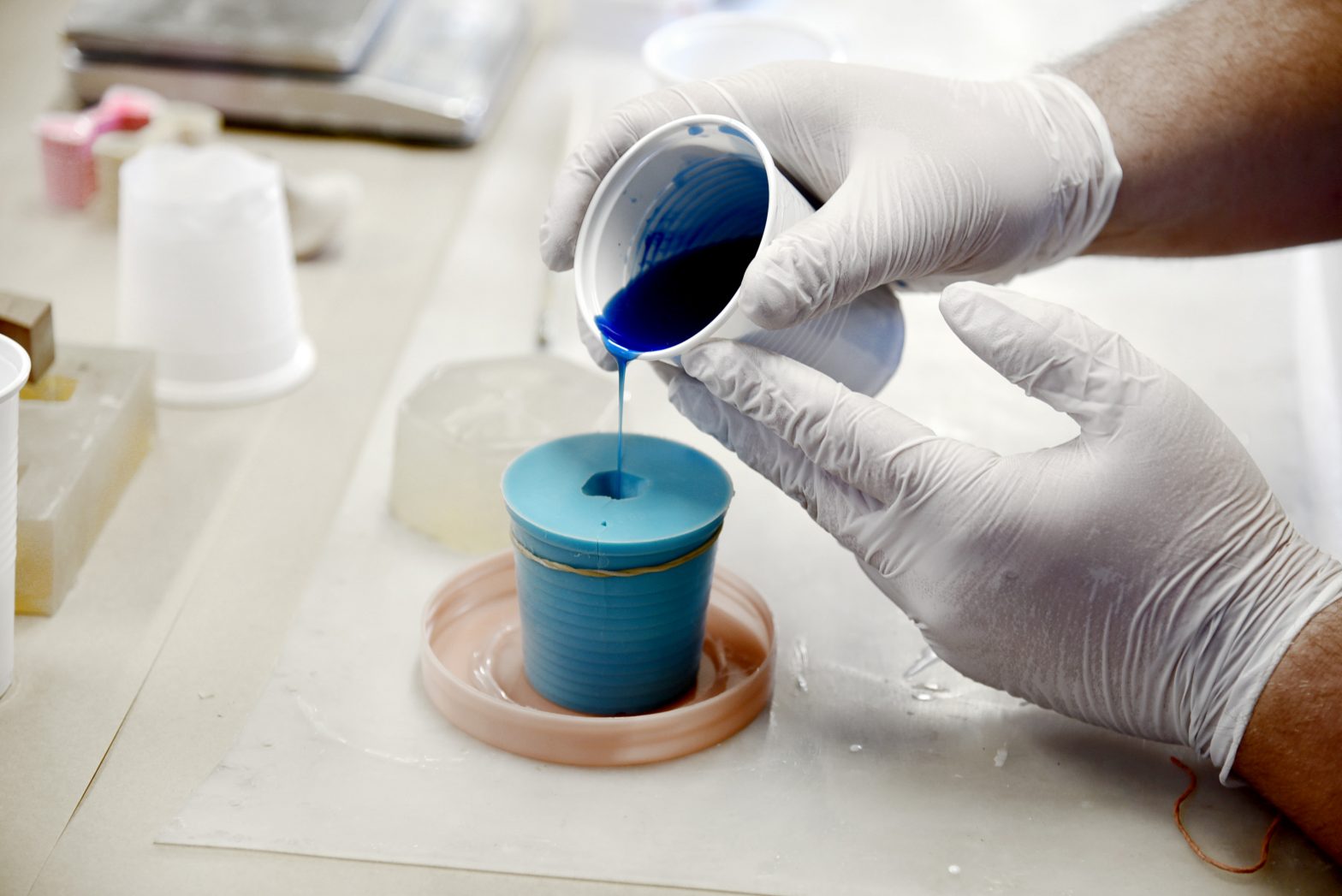
CASTING WORKSHOP Introduction to casting and moulding in the plastic workshop thanks to: Rene Braun & Karl Schikora project: monolicious year: 2021/22
Kategorie-Archive: ZZZ process
LECTURE SERIES
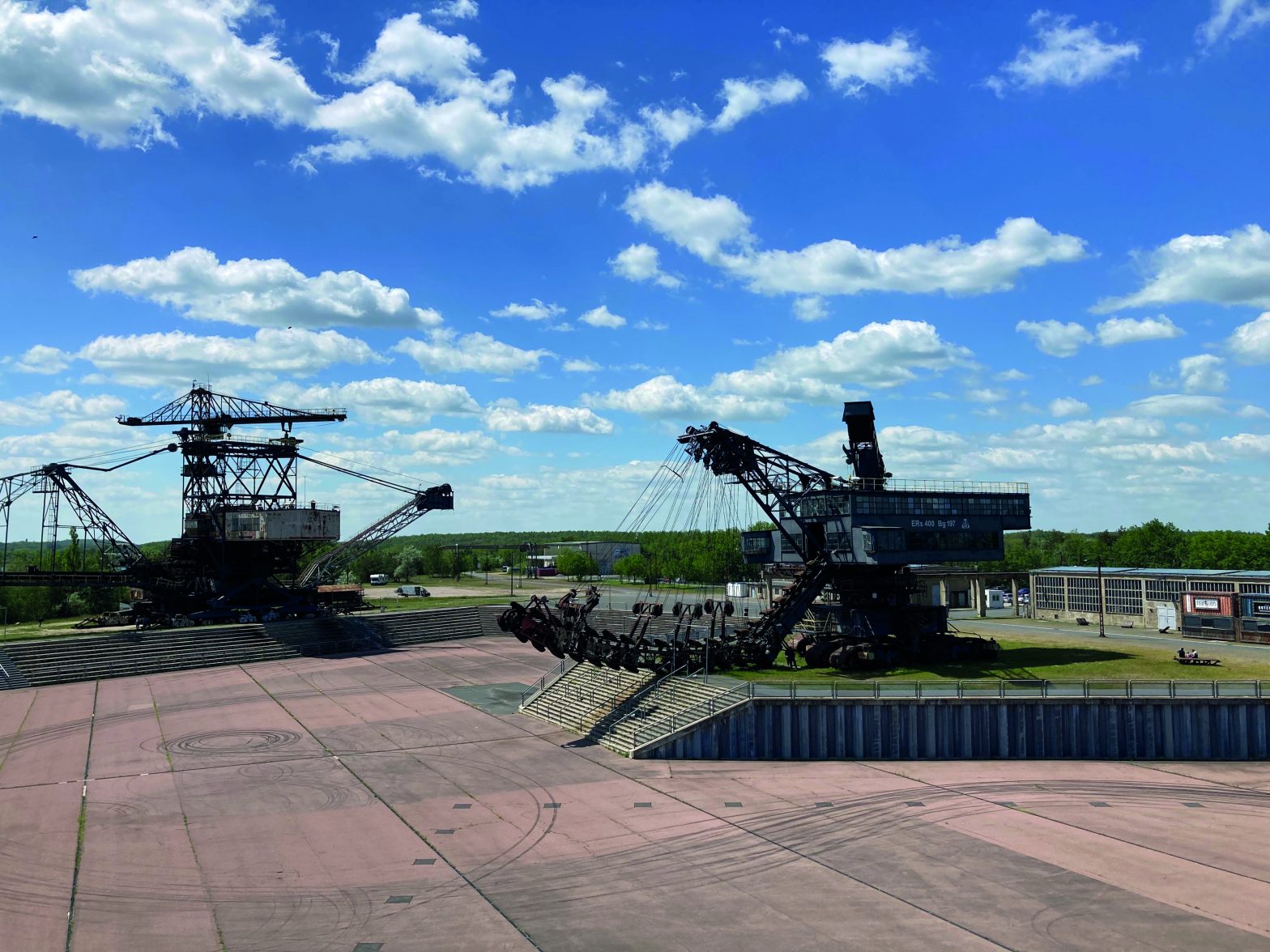
LECTURE SERIES 07.-21.4.2021 – online Unfortunately due to corona non of our excursions & visits could take place as originally planned. However we managed to transfer some of the visits into digital lectures, which also gave an insight and an impression into the soils, resources and experts in and around Halle. 7.4.2021:Betelhem Mekonnen Muluneh from …
SESSION #1 – HOW MUCH AND WHAT KIND OF SOIL IS INVOLVED IN THIS VIDEO CONFERENCE
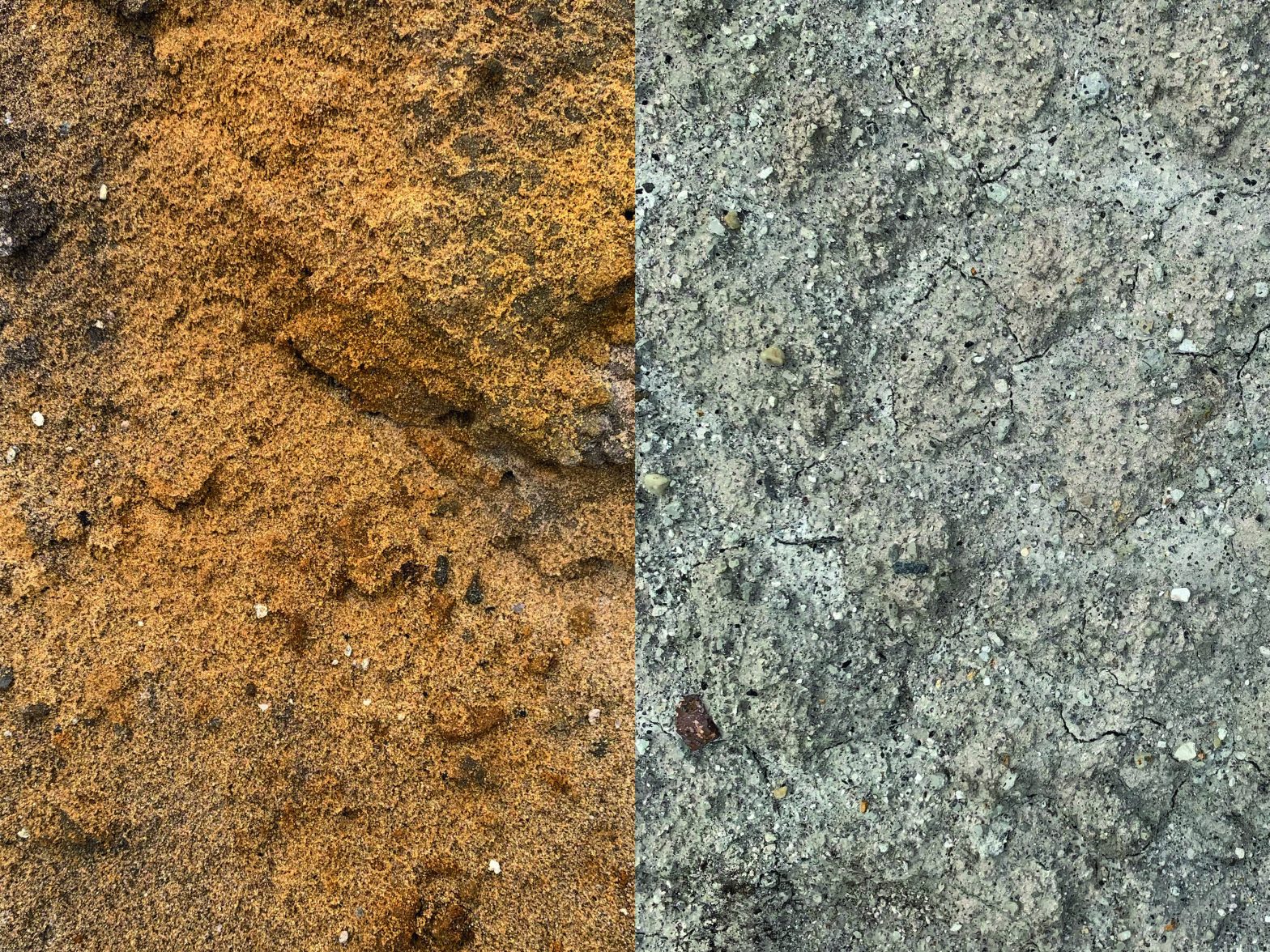
SESSION #1 – HOW MUCH AND WHAT KIND OF SOIL IS INVOLVED IN THIS VIDEO CONFERENCE 06.04.2021 – Halle In Session #1 we examined anthropogenic extraction and deposition in relation to their use in everyday life. For this purpose, we used the question: How much and what kind of soil is directly or indirectly involved …
„SESSION #1 – HOW MUCH AND WHAT KIND OF SOIL IS INVOLVED IN THIS VIDEO CONFERENCE“ weiterlesen
SESSION #1 – SUSTAINLAB WORKSHOP
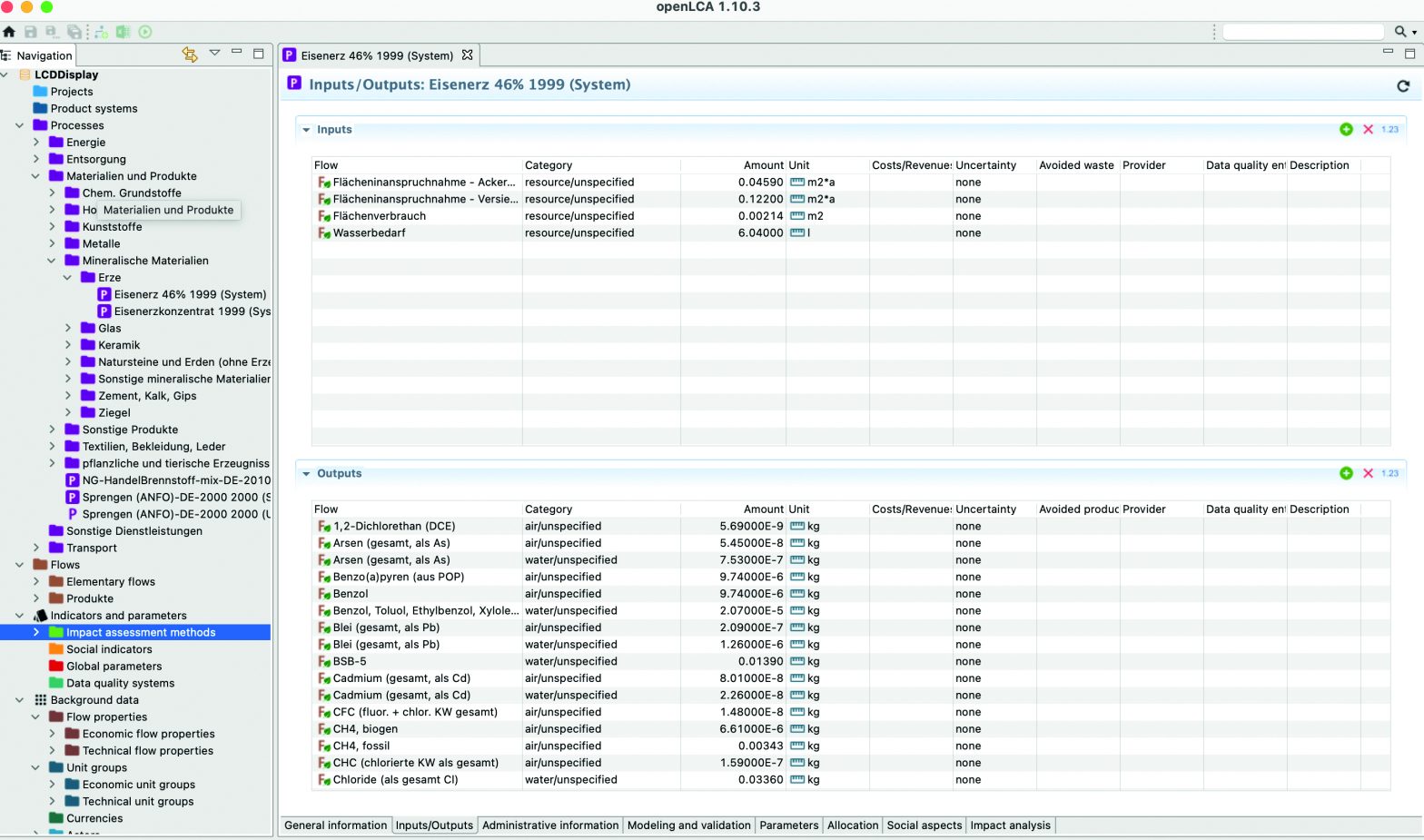
SESSION #1 – SUSTAINLAB WORKSHOP 06.04.2021 – getting started workshop by Henning Francik & Ina Turinsky / SustainLab In a digital workshop Ina & Henning gave a broad overview on different methods of sustainbiiity assessments. After starting of with system perspectives they focussed on Life Cycle Analysis (LCA) as a method to analyse and compare …
SESSION #1 – BLENDER WORKSHOP
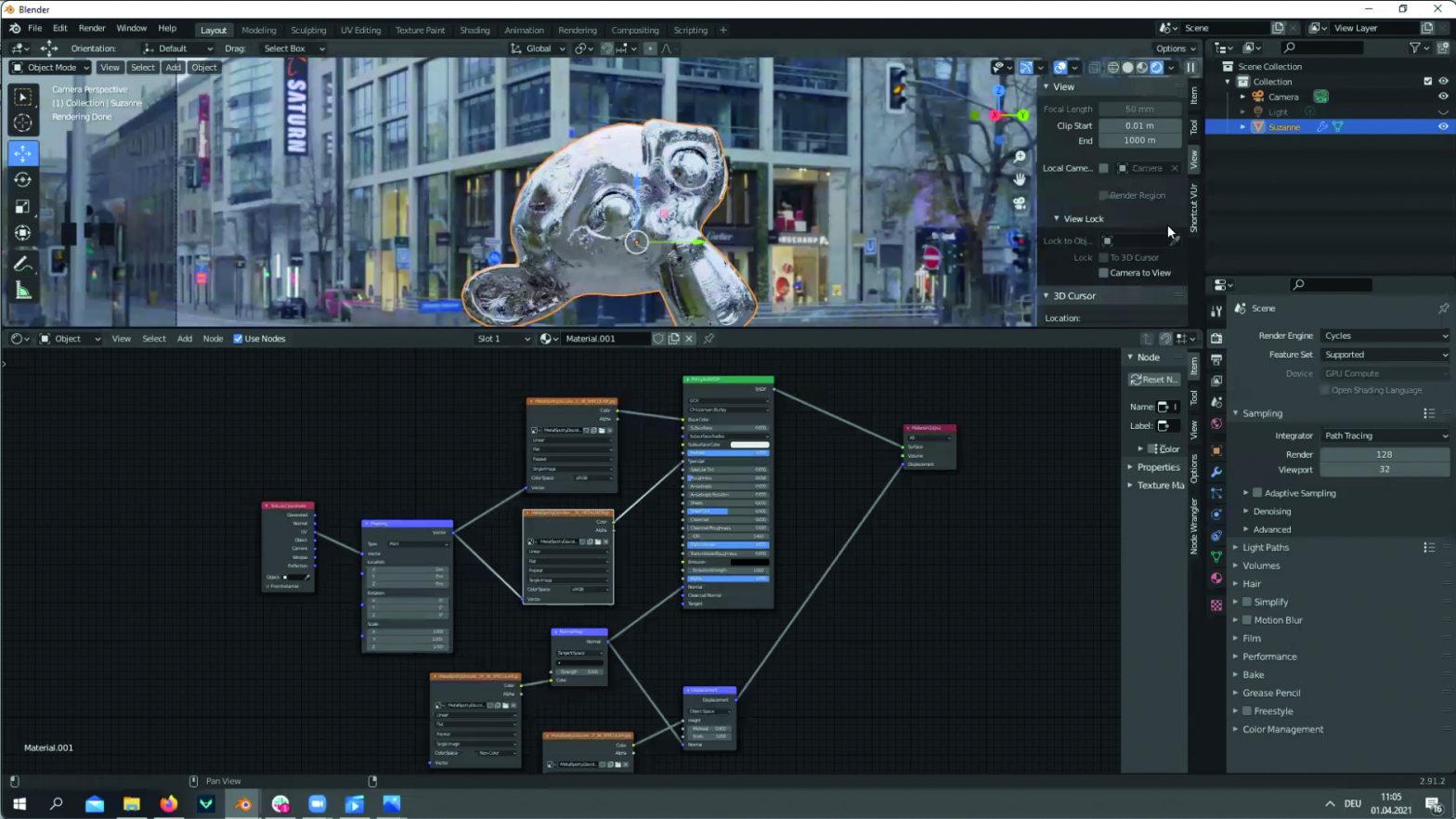
SESSION #1 – BLENDER WORKSHOP 01.04.2021 – Workshop with Tom Witschel Blender is the free and open source software for modeling, animation and rendering. It has developed in such a way that is often used in a professional context – and therefore especially for yound graduates very useful.However, it is not easy to grasp at …
SESSION #2 – TEMPORARY STRUCTURES
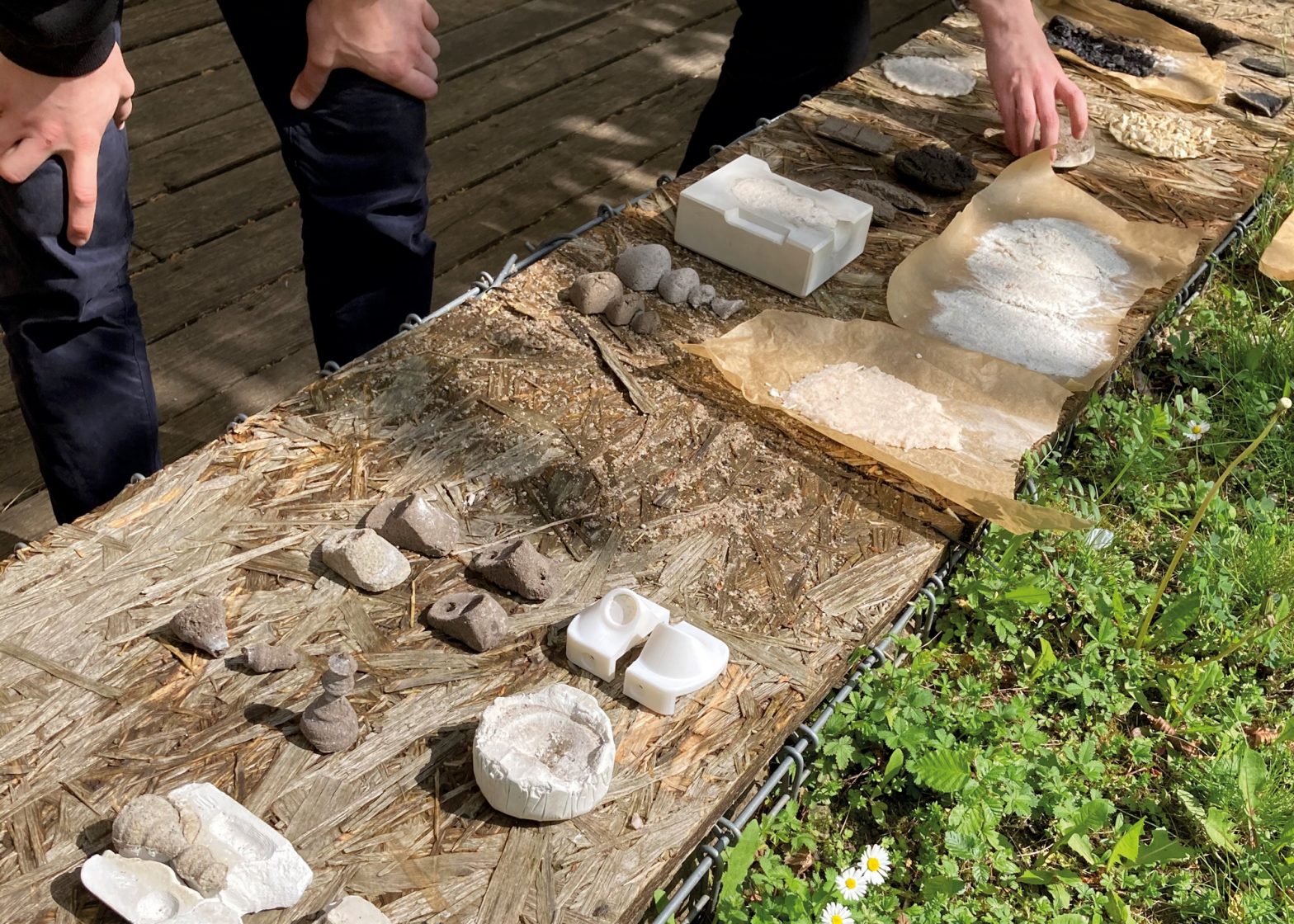
SESSION #2 – TEMPORARY STRUCTURES In Session #2 we investigated the soils and mineral resources of the region. The students went in search of specific places in the area and explored them by means of methodically diverse “site visits”. This resulted in precise mapping and depictions of the ephemeral, the permanent and the particular of …
SESSION #2 – COMPRESSION MOULDING / EXTRUSION
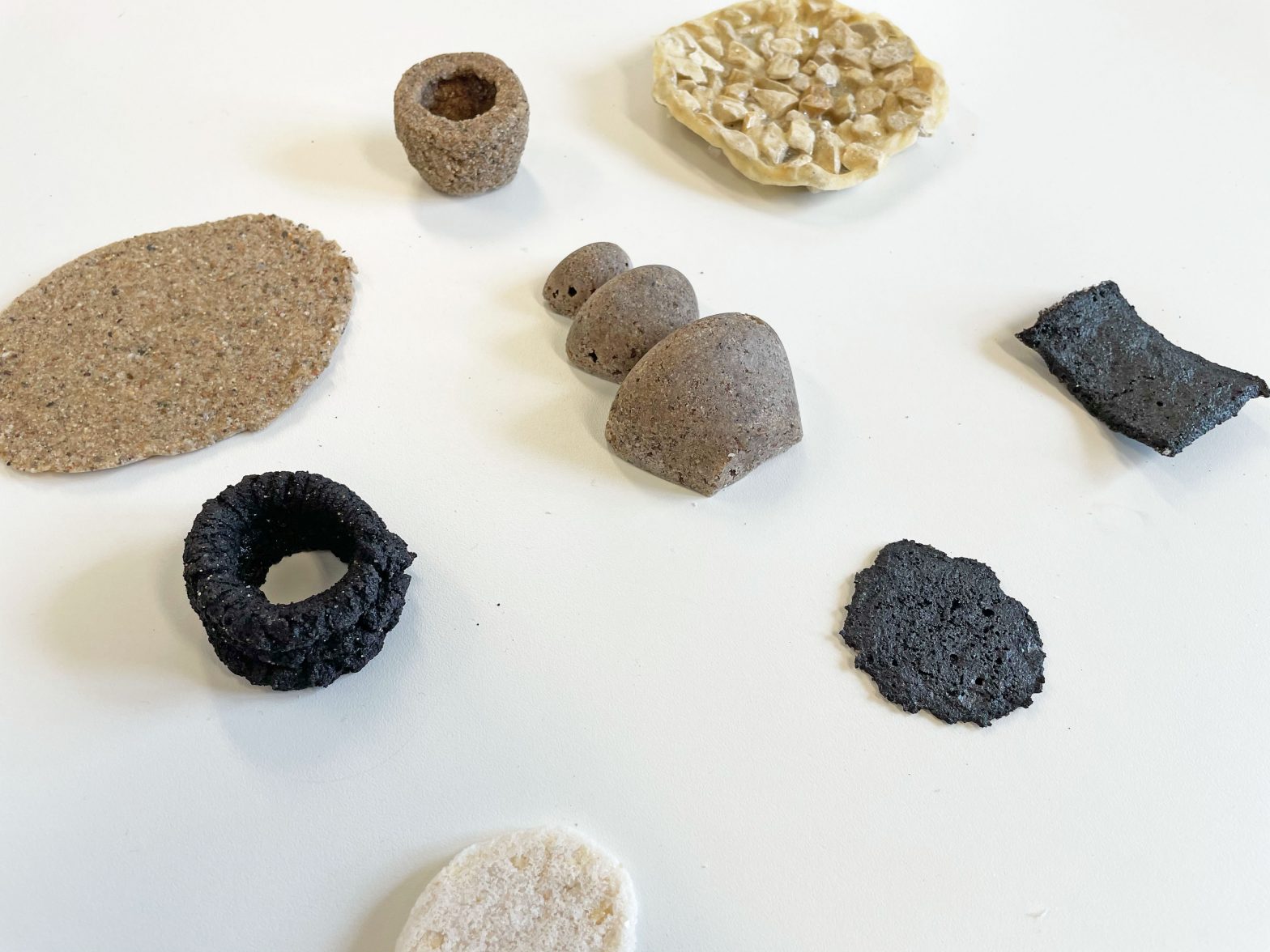
SESSION #2 – COMPRESSION MOULDING / EXTRUSION 10.04.2021 – Workshop Originally, a workshop was planned on site. We wanted to explore together whether and how it is possible to process local soil materials in different serial technologies. The aim was to get to know different technologies such as extrusion and compression moulding, including mould making …
SESSION #2 – METASTABIL
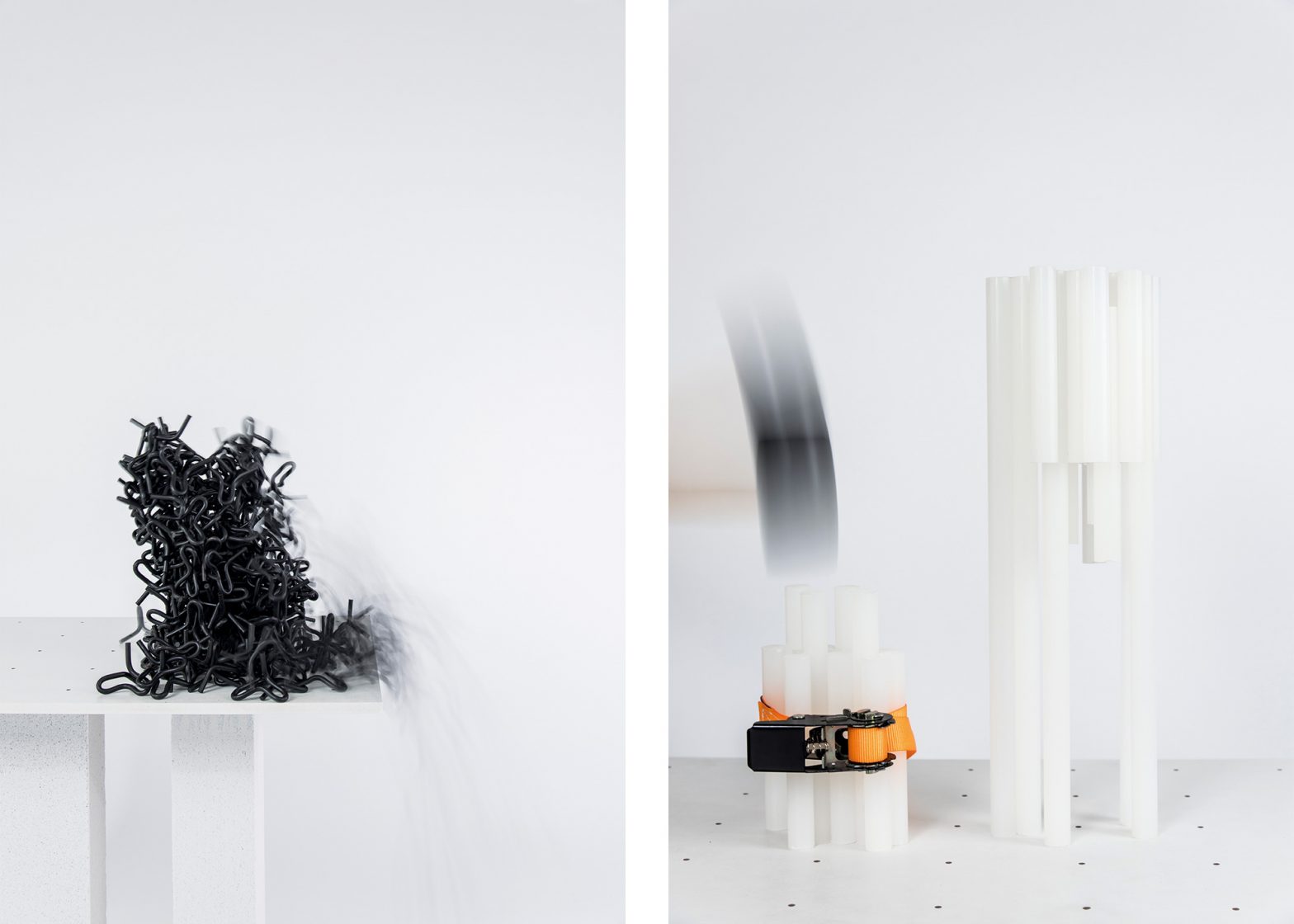
SESSION #2 – METASTABIL 11.05.2021 – lecture by Andreas Wagner Andreas Wagner, industrial designer and part of the BurgMaterial team, has graduated at the BURG on the topic of metastability.He gave a great insight into his design research on structures and constructions that dissassemble after a while or are designed to be dissembled by us …
SESSION #3 – (CON)TEMPORARY CRUST
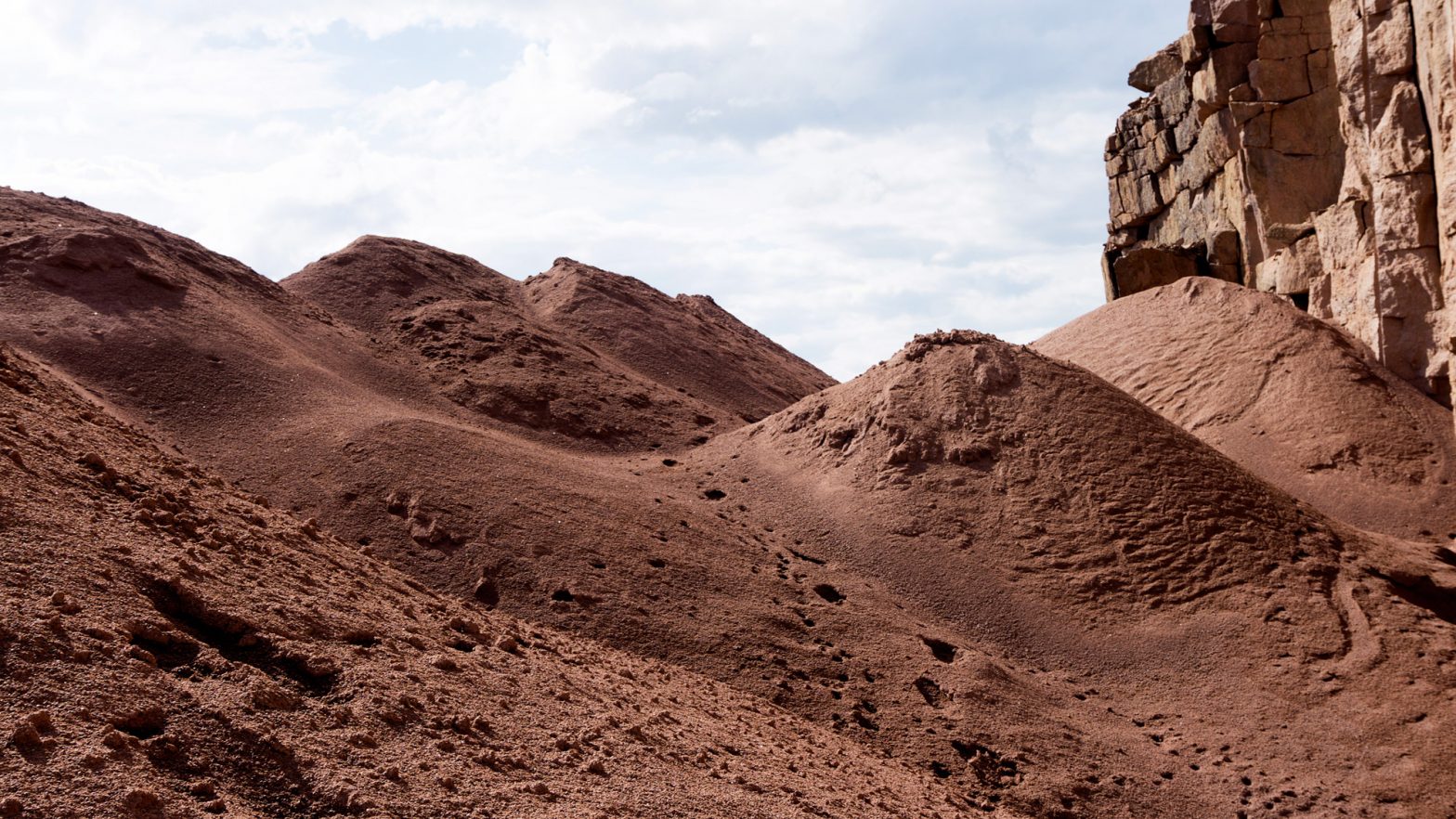
SESSION #3 – (CON)TEMPORARY CRUST In Session #3, the task was to translate the site visits and experiments into concepts of temporary objects/structures — inspired by the material’s place of origin. This session was supported by an ideation workshop, which gave insights into methods of collaborative storytelling. In the end, temporary objects were created in …
SESSION #3 – SITE VISITS
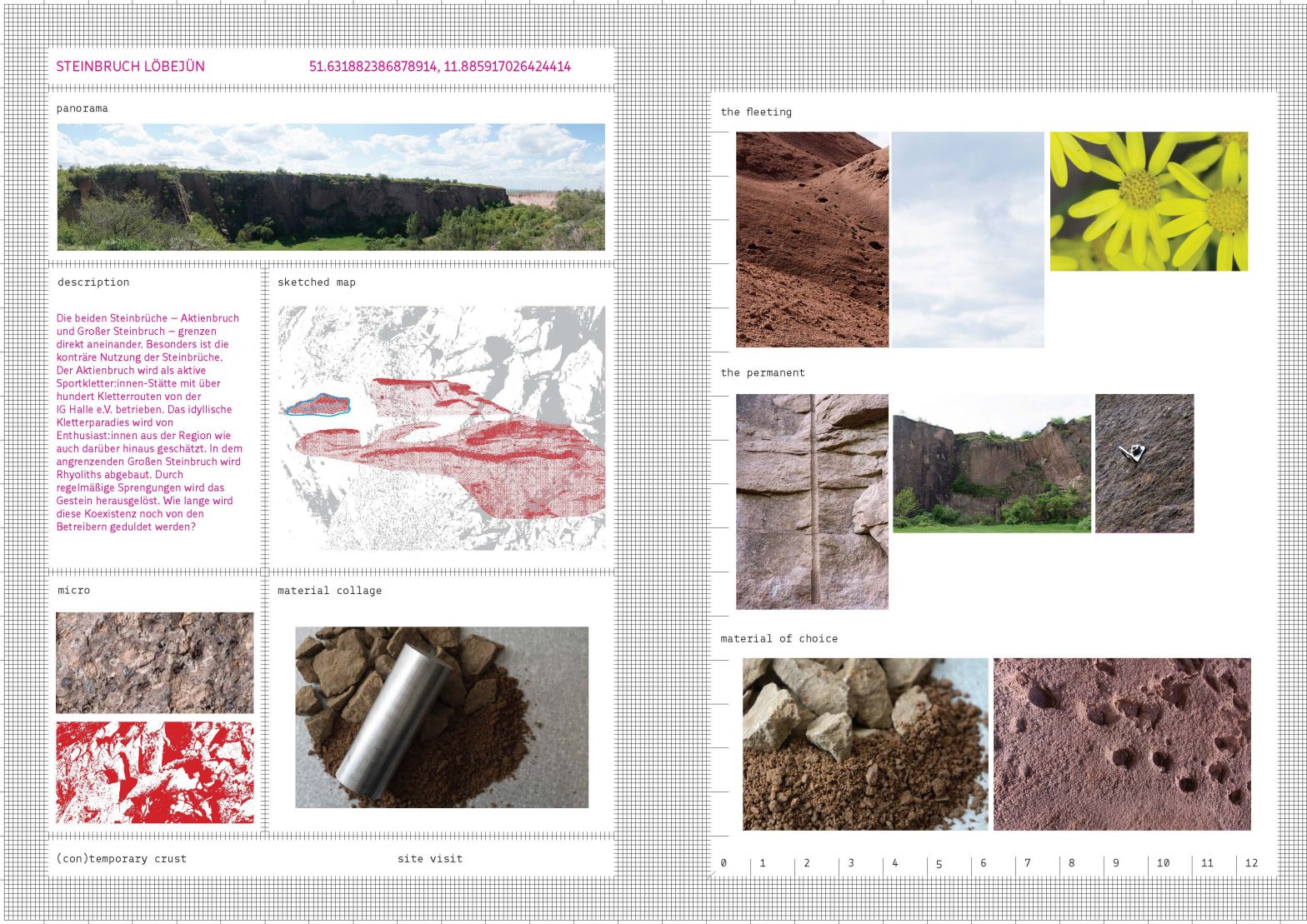
SESSION #3 – SITE VISITS Field research The task was to visit a place of one’s own choice situated within a reachable distance. The choice should be made on the basis of the soil and the location, the people, the stories, the history and what is special about the place.In order to get to know …