PROCESS: Excursion

Energy-Efficient Buildings - Climate-conscious construction in future-oriented contexts
06.10.2025, Stuttgart
TransSolar | Felix Thumm

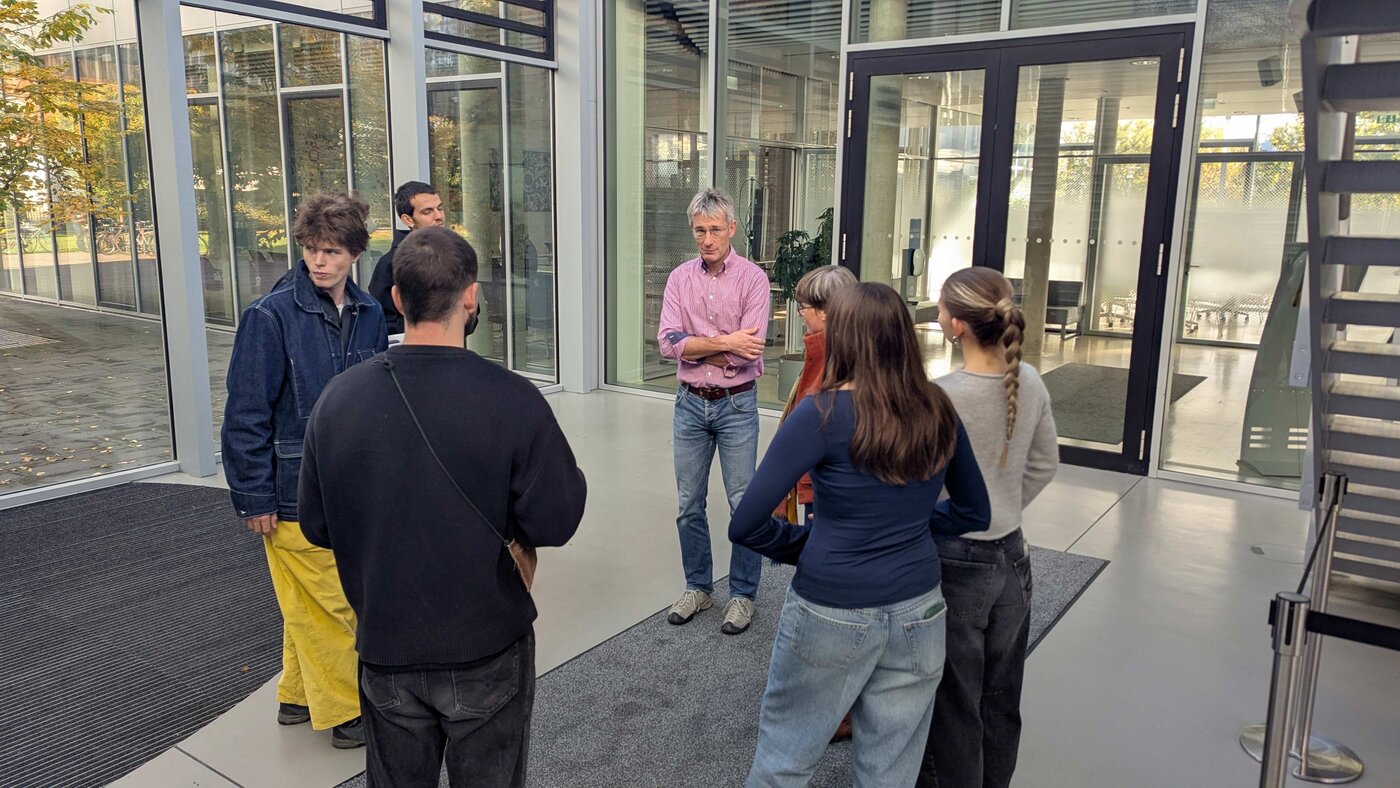
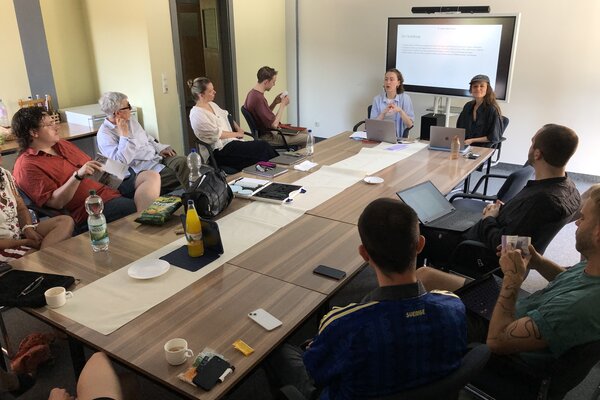
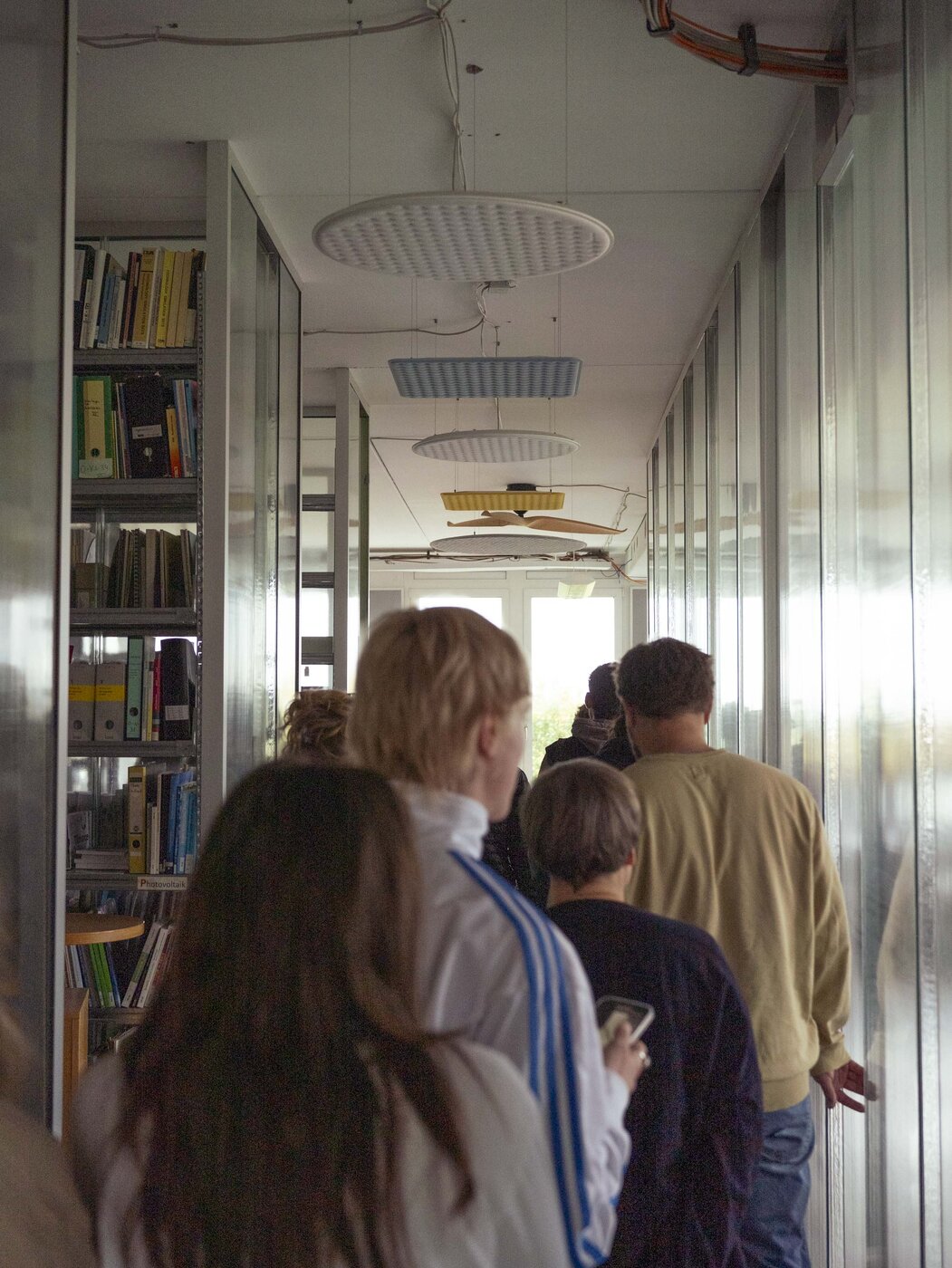
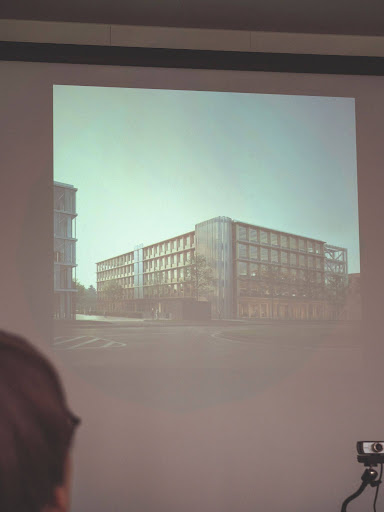
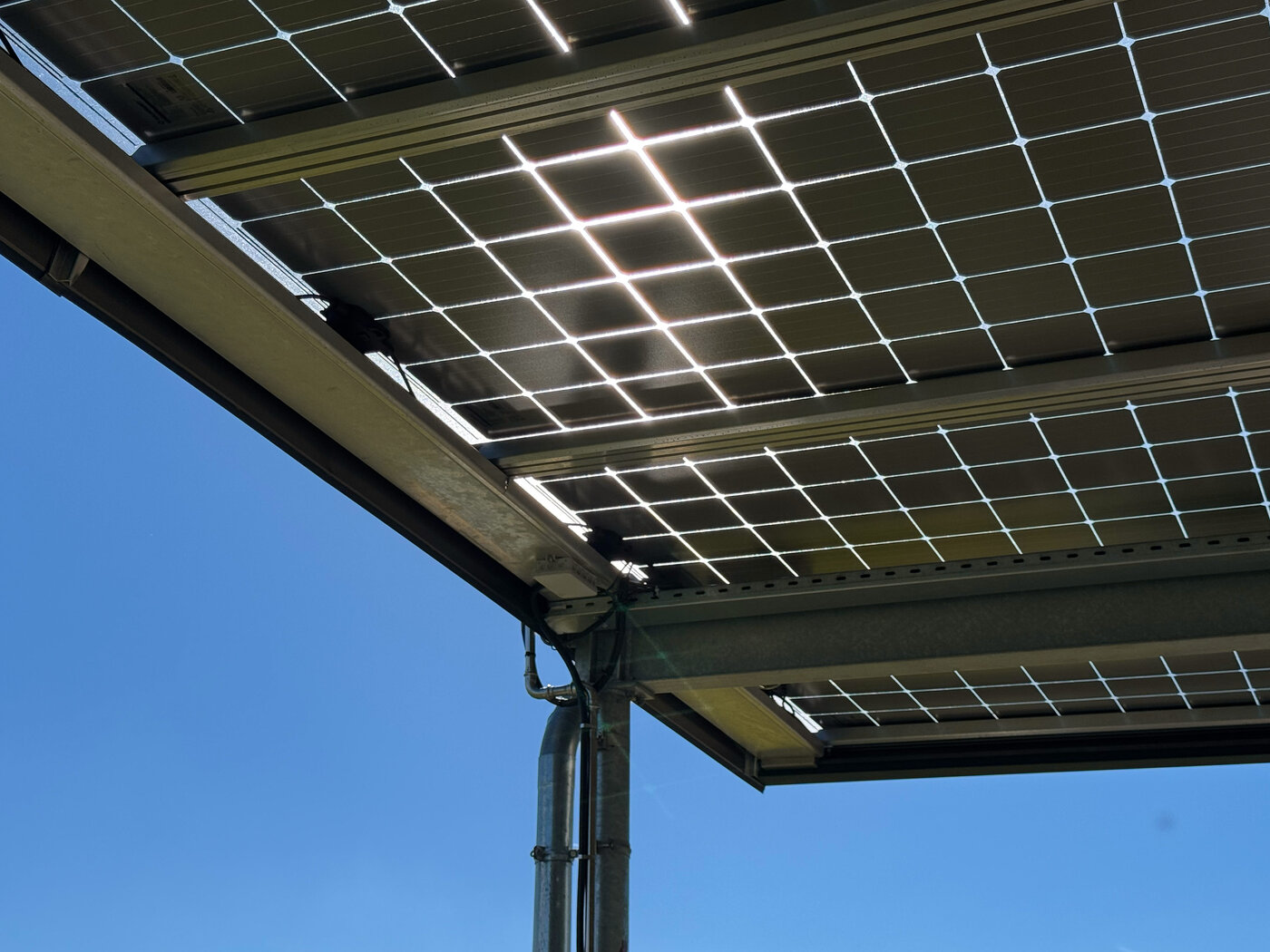
The first stop on the tour took the group to the offices of Transsolar, a climate engineering company that sees itself as a bridge between architecture, and technology with regard to climate friendliness, sustainability, and comfort. Presenting various projects, Felix Thumm, partner at Transsolar, showed us how sustainable architecture can work in practice—for example, through the use of PV modules and intelligent building technology. Instead of traditional air conditioning systems, Transsolar preferably relies on natural air circulation using ventilation systems, ceiling fans, and the targeted control of cold and warm air flows. It was pointed out to the group that renovations or technical measures often only make sense if they are used correctly and comprehensively by users. Ideally, buildings should be able to produce most of the energy they need themselves, in line with the net-zero principle.

Despite technological advances, the market for climate-friendly construction remains challenging. High costs, limited budgets, and a lack of willingness to take risks on the part of construction planners are slowing down change. Even small-scale approaches, such as plug-in solar devices, often fail to be implemented. Transsolar emphasizes that photovoltaic modules should ideally be taken into account during the planning phase of buildings in order to reduce the effort, costs, and implementation responsibility for private individuals. According to Felix Thumm one hurdle to the widespread use of climate-friendly construction methods is still the low price of energy. For a more sustainable future, a general rethink must take place at the level of legislation, clients, and consumers.
Insights into current research areas of photovoltaics at the Fraunhofer ISE Freiburg
07.10.2025, Freiburg
Fraunhofer-Institut für Solare Energiesysteme ISE
| Dr. Martin Heinrich
& Giorgi Tsutskiridze

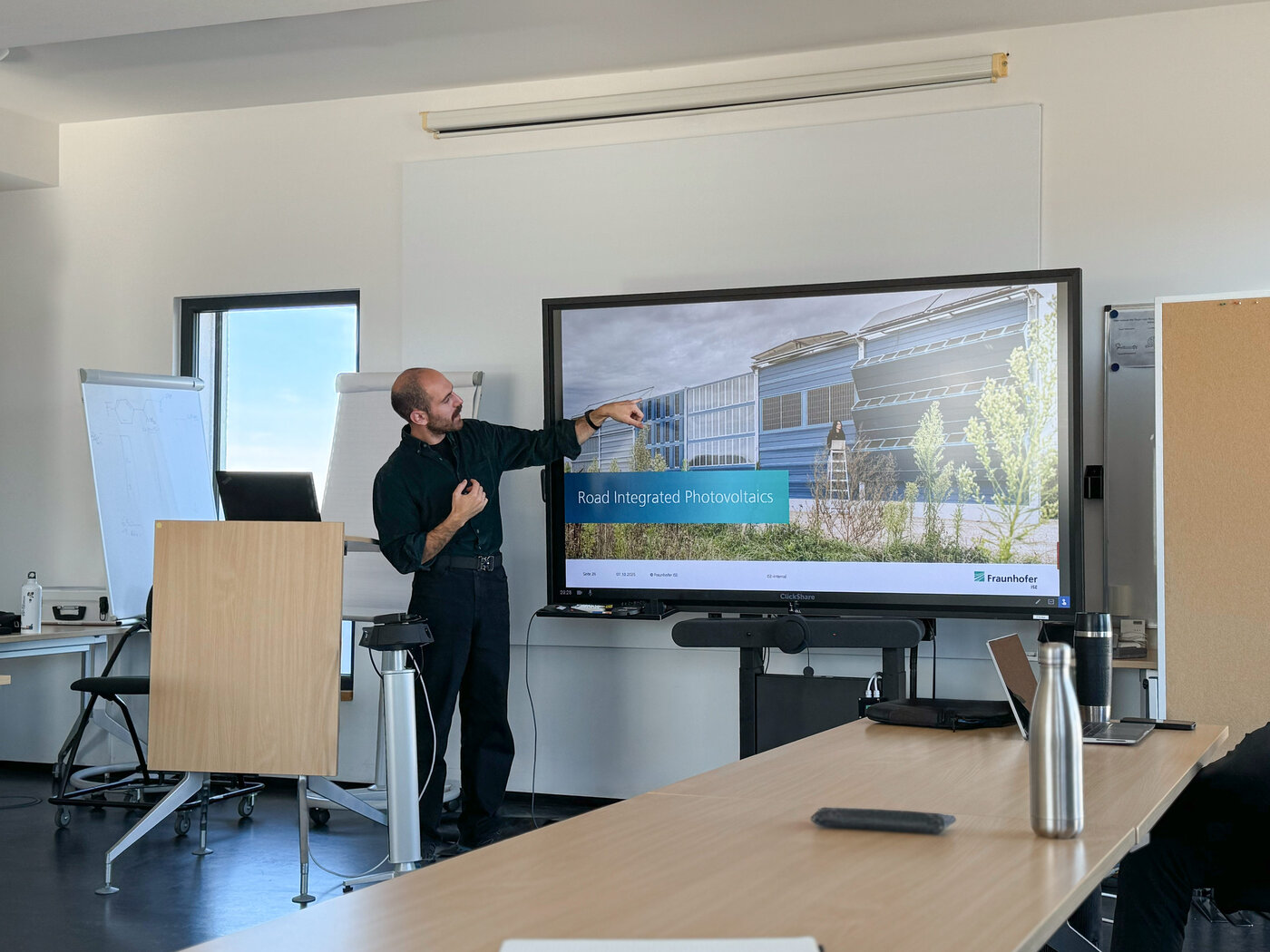
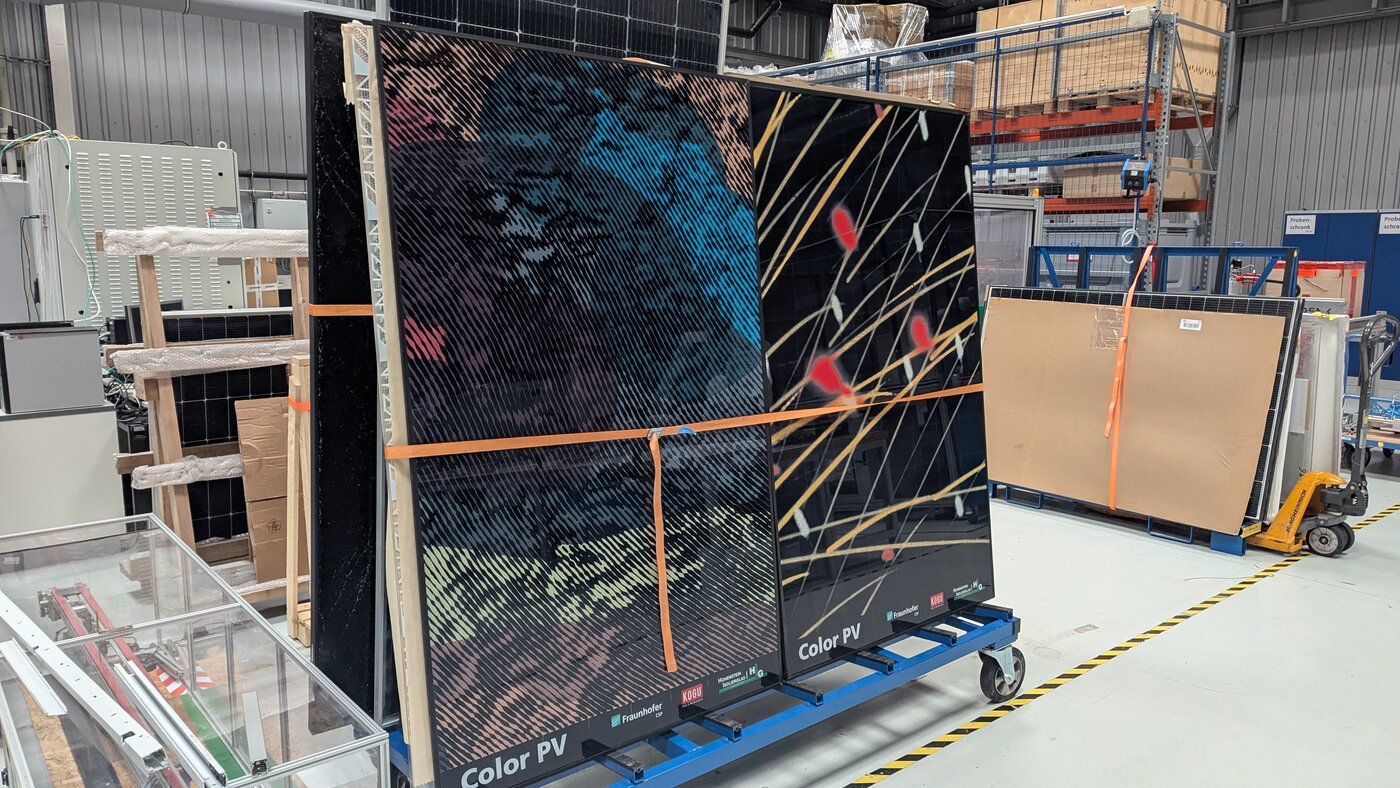
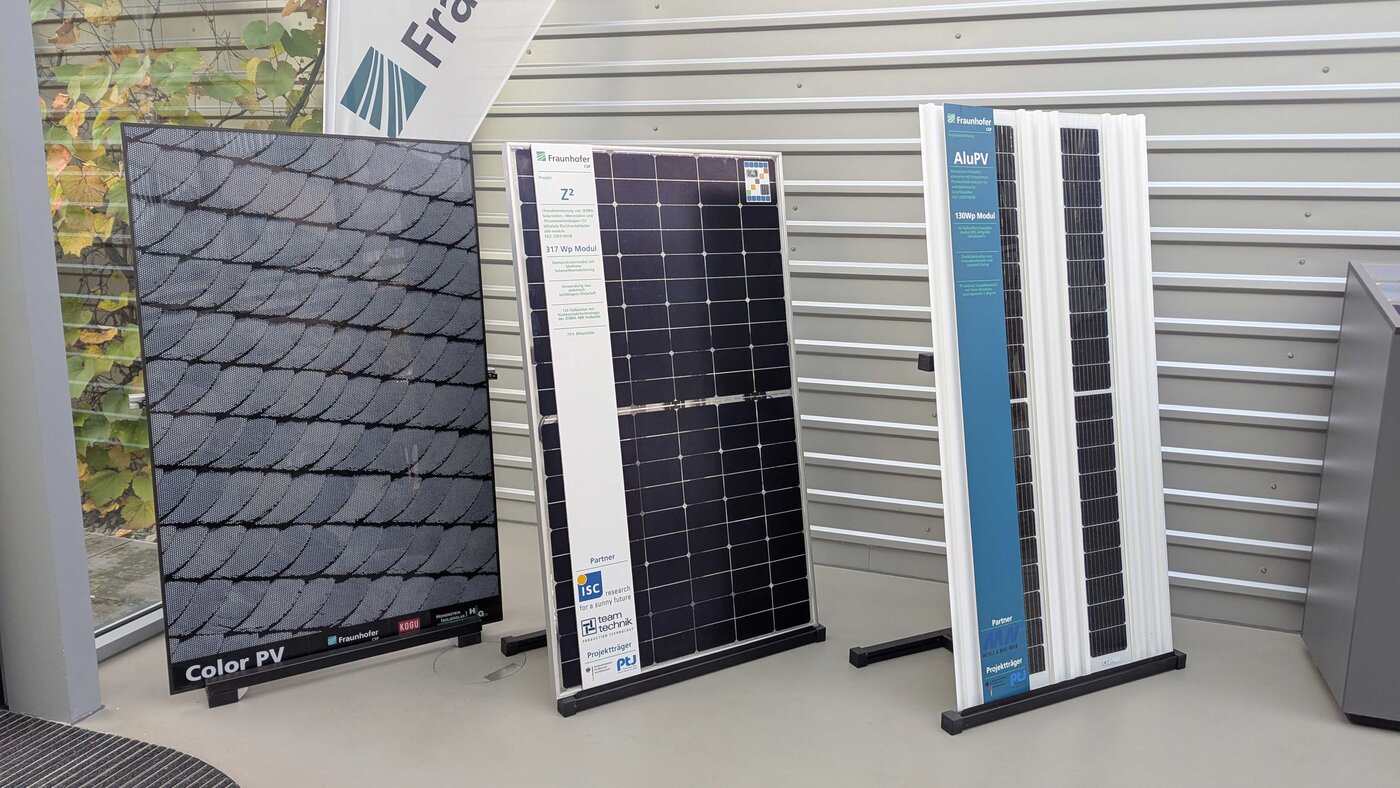
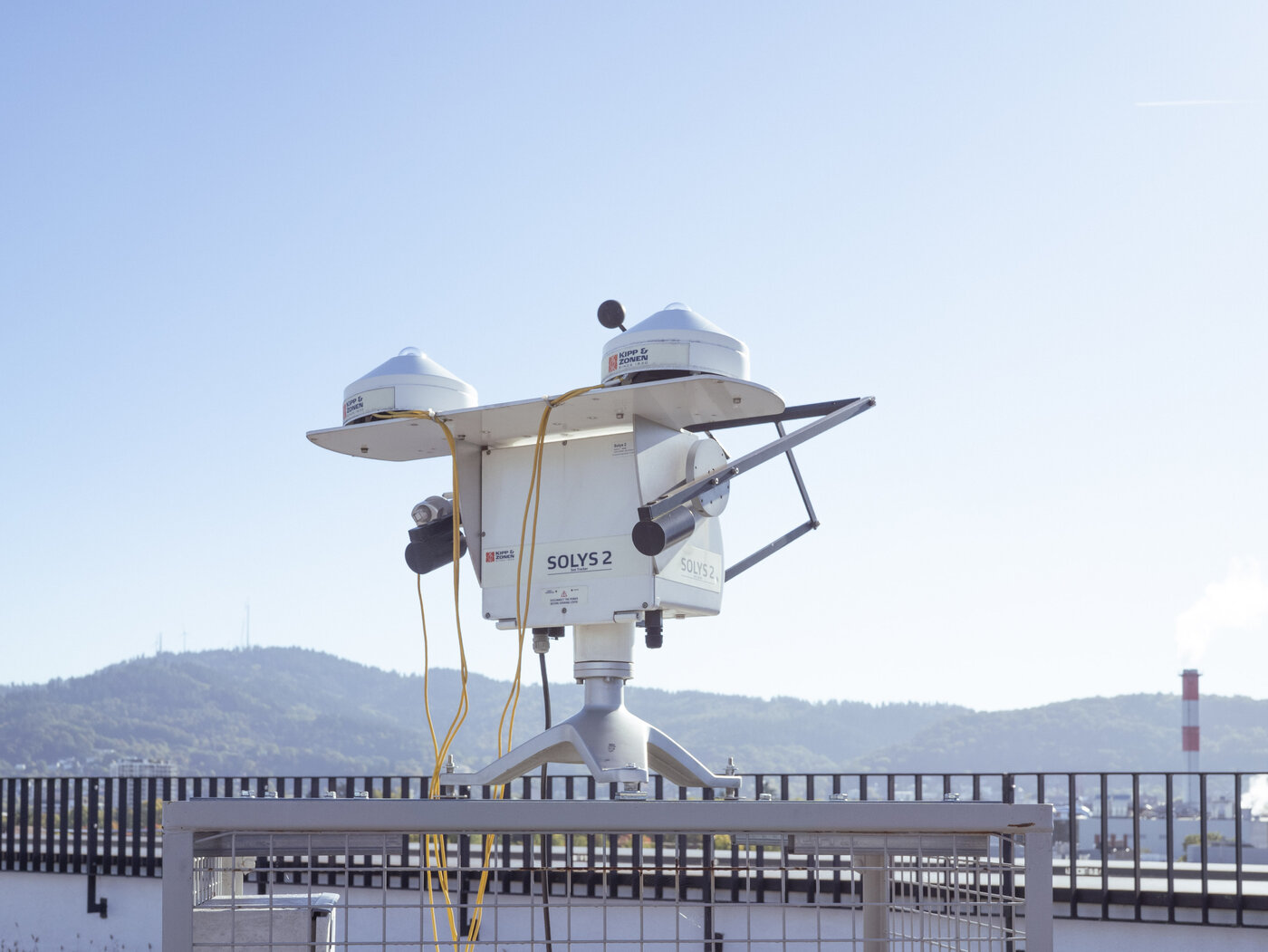
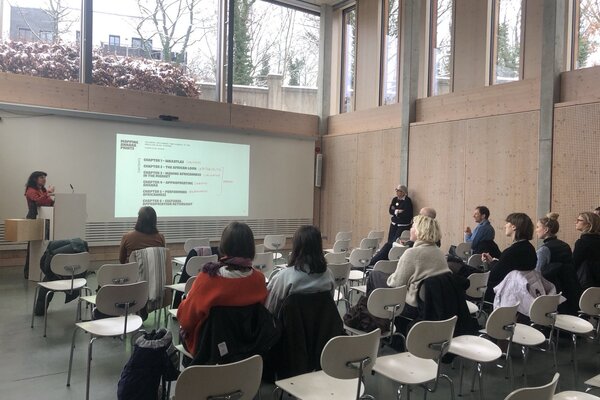
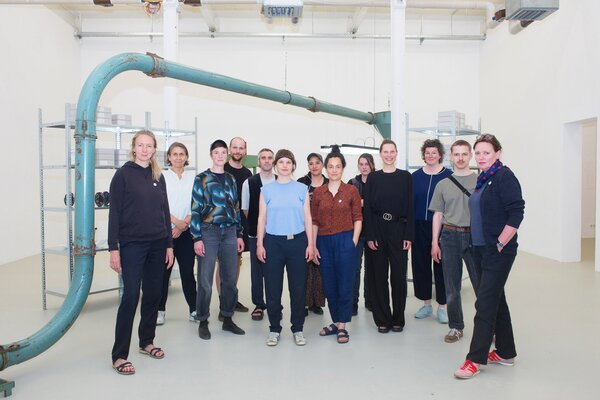
On October 7, 2025, the project group visited the Fraunhofer Institute for Solar Energy Systems (ISE) in Freiburg. The morning began at the main site on Heidenhofstraße with a welcome by Dr. Martin Heinrich, head of the “Encapsulation and Integration” group in the Module Technology division. He introduced the institute’s research areas, including photovoltaics, energy-efficient building, industrial processes, and power electronics. This was followed by a presentation by Giorgi Tsutskiridze, research associate at Fraunhofer ISE and master’s student at Burg Giebichenstein University of Art and Design Halle. His lecture covered the technological and physical fundamentals, historical developments, and political as well as economic frameworks of photovoltaics. He explained the production process of solar cells—from quartz sand purification and silicon extraction to finished wafers—and discussed current challenges such as high silver consumption and sustainability issues. He also presented their current research on integrated photovoltaics, for example in buildings, vehicles, or noise barriers. Later in the morning, the group gained insights into projects such as the solar cycle path and the MorphoColor technology1, which enables aesthetically appealing and colour-variable PV modules through special coatings. It was particularly exciting to experience the research facilities and ongoing projects up close. After lunch in the institute’s cafeteria, the group continued to the Haid site. There, topics such as half-cell and shingle matrix technologies, infrared testing, and recycling processes were in focus. A highlight was the guided tour through the production areas, where the students laminated a small test module themselves. The day offered a comprehensive insight into current developments and challenges in photovoltaic research and illustrated the Fraunhofer ISE’s role as a leading research institution in this field.

1) www.ise.fraunhofer.de

Solarzellenworkshop

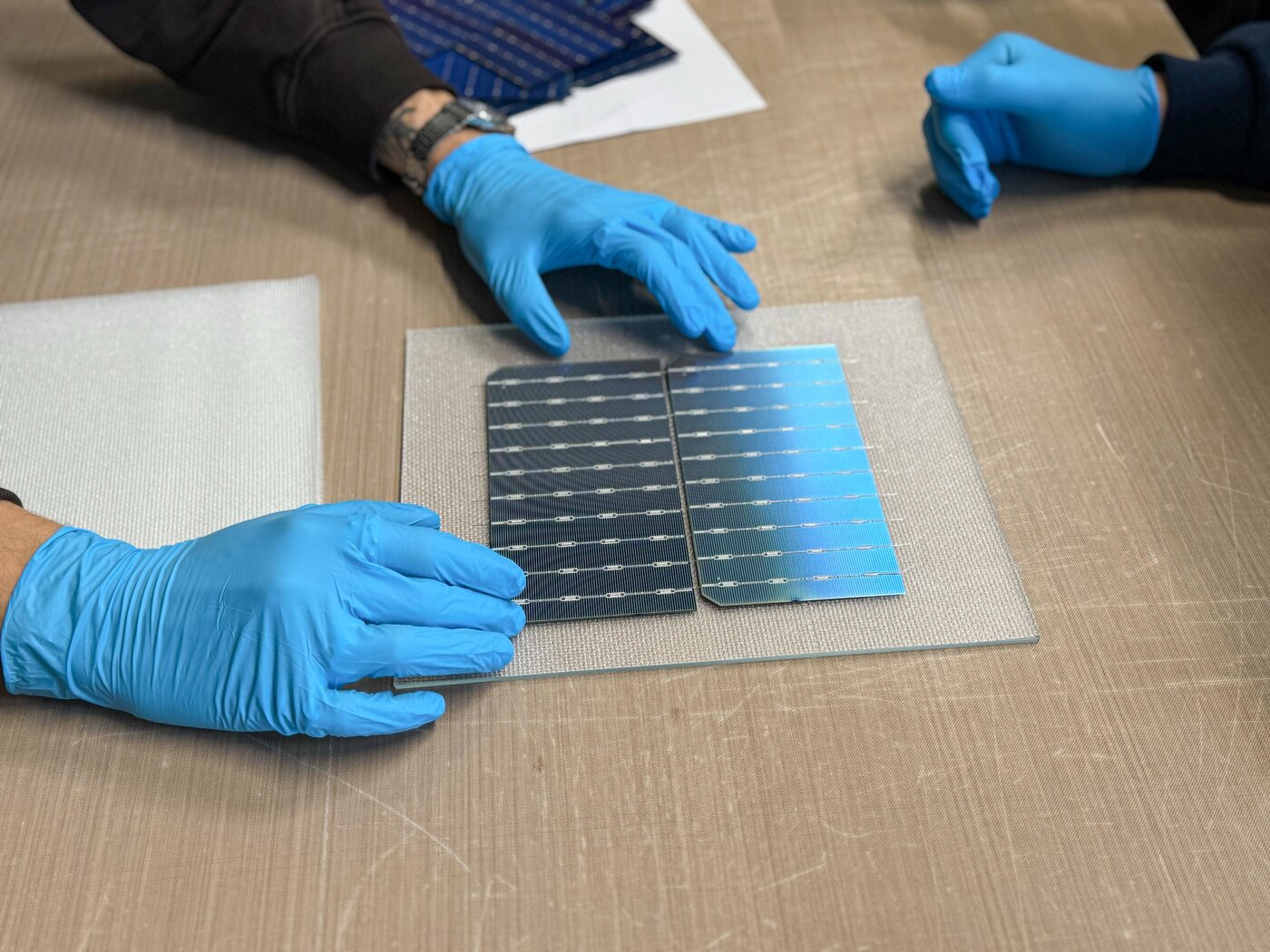
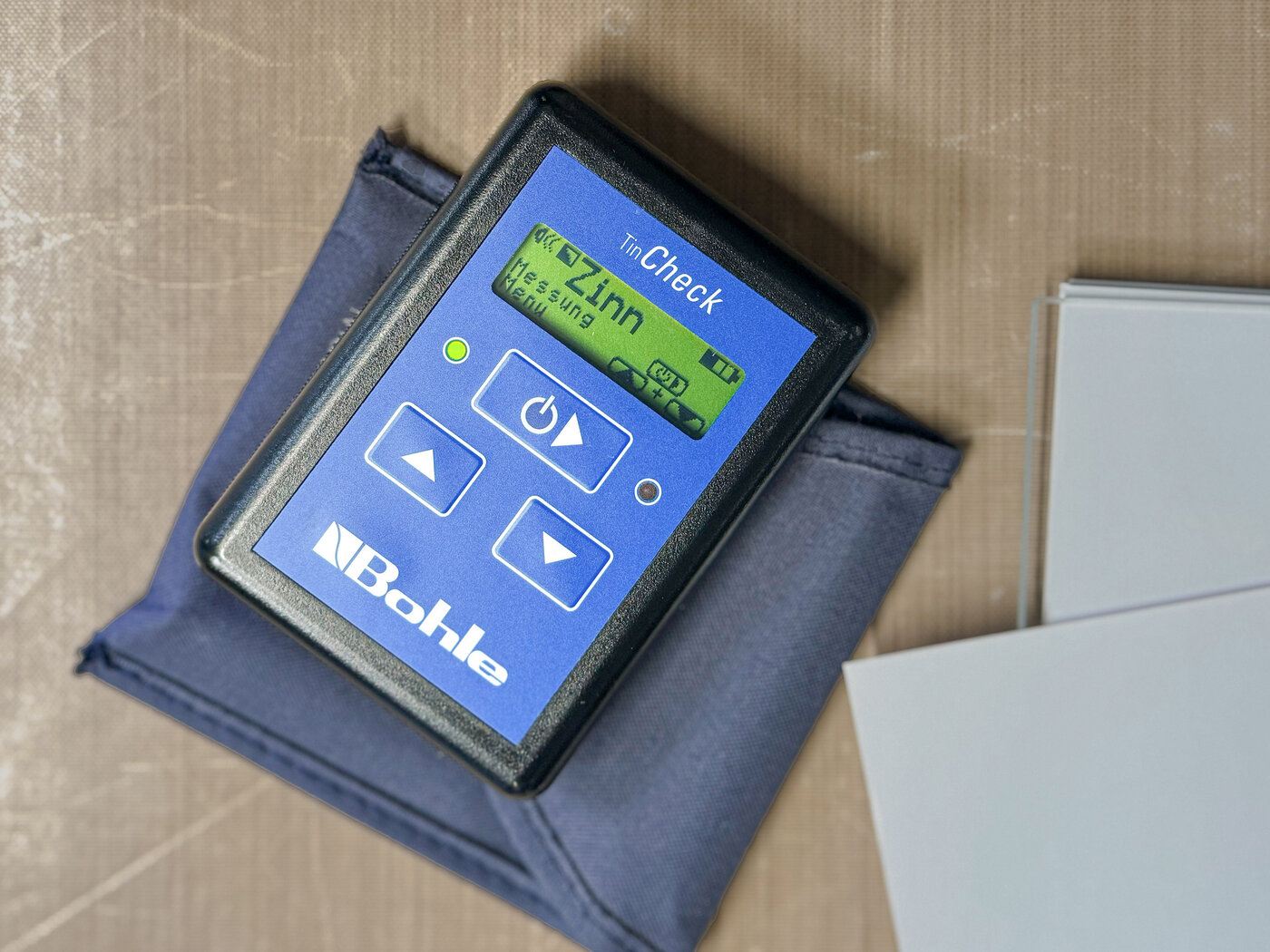
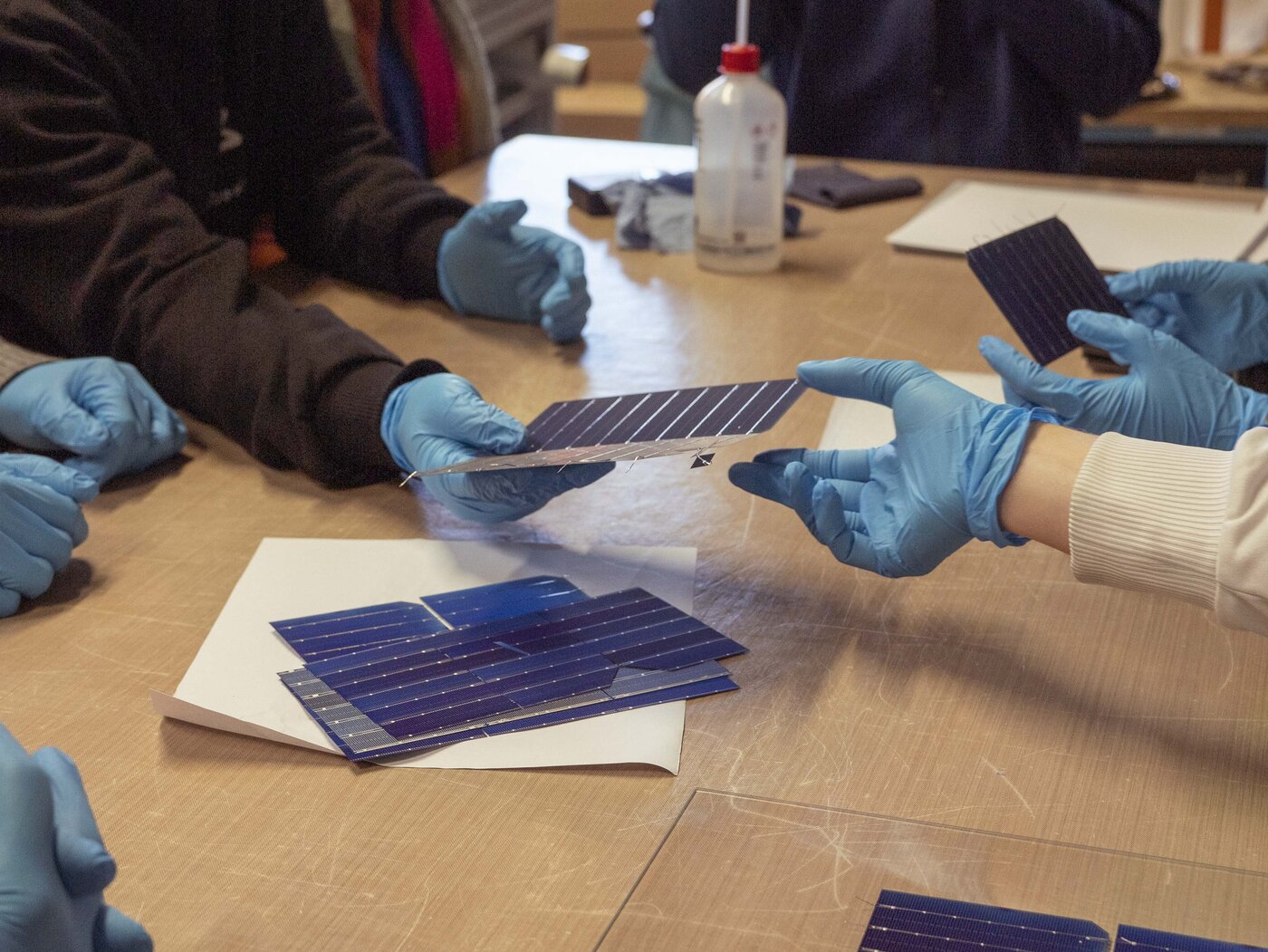
At Fraunhofer ISE's Haid location, the students gained exciting insights into the production processes for solar cells and modules. After an introduction to the institute's research work, the participants were able to experience various manufacturing steps up close and understand how individual components are turned into functional solar modules. In the following workshop, the participants produced test modules themselves. First, the glass panes were carefully cleaned to ensure a clean surface. Using a tin measuring device, they checked which side of the glass was tinned before applying an EVA film to it. They then placed two half-cells on the film and embedded them with another layer of EVA. Finally, a backsheet was applied before the module was laminated. During the lamination process, the EVA film melts slightly and bonds all layers firmly together, creating a stable solar module. The visit offered participants practical insight into the research and application of modern solar technologies and highlighted the importance of innovative approaches for a sustainable energy future.

WEtransFORM -  On the Future of Building
08.10.2025, Bonn
Bundeskunsthalle

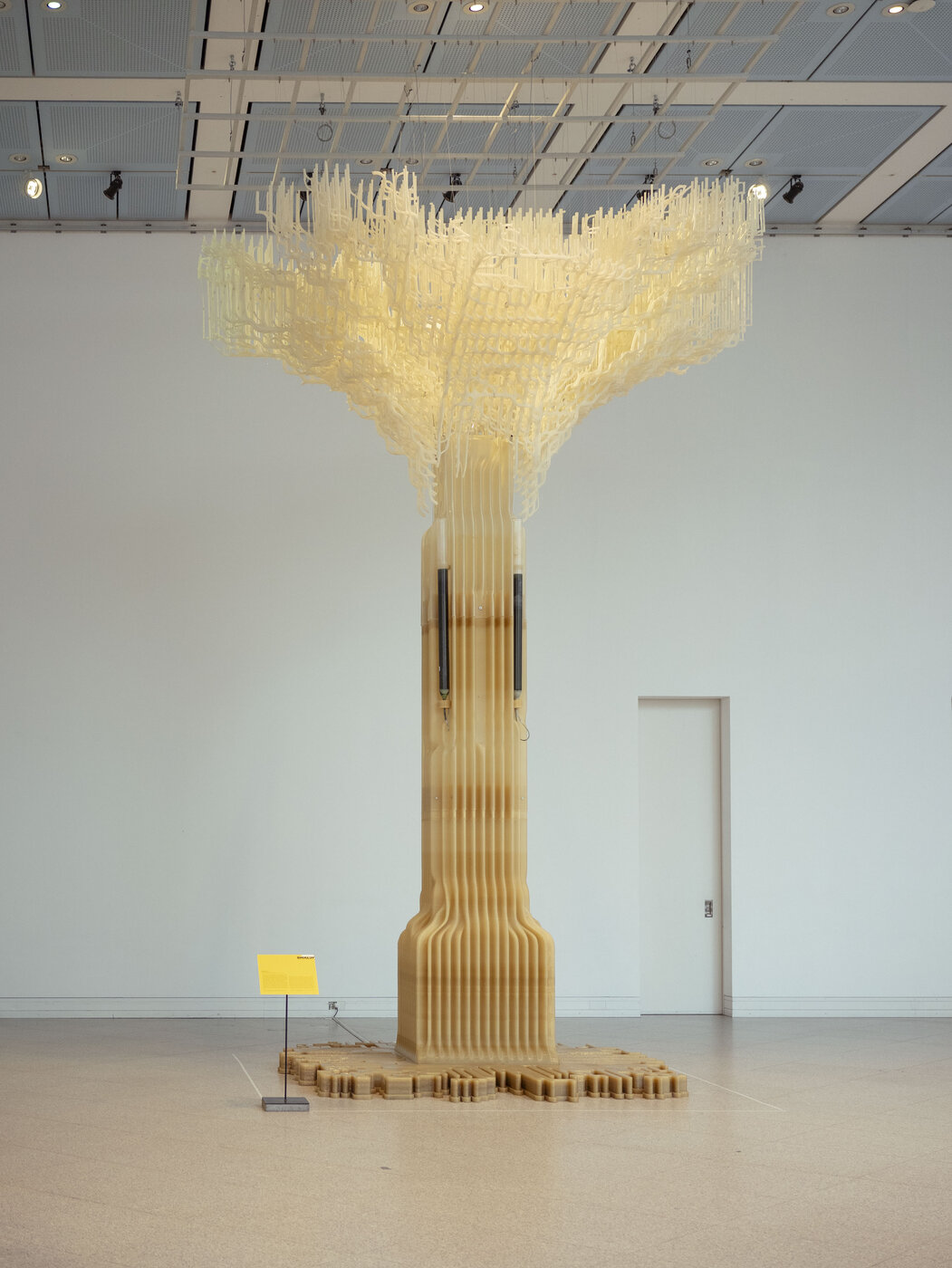
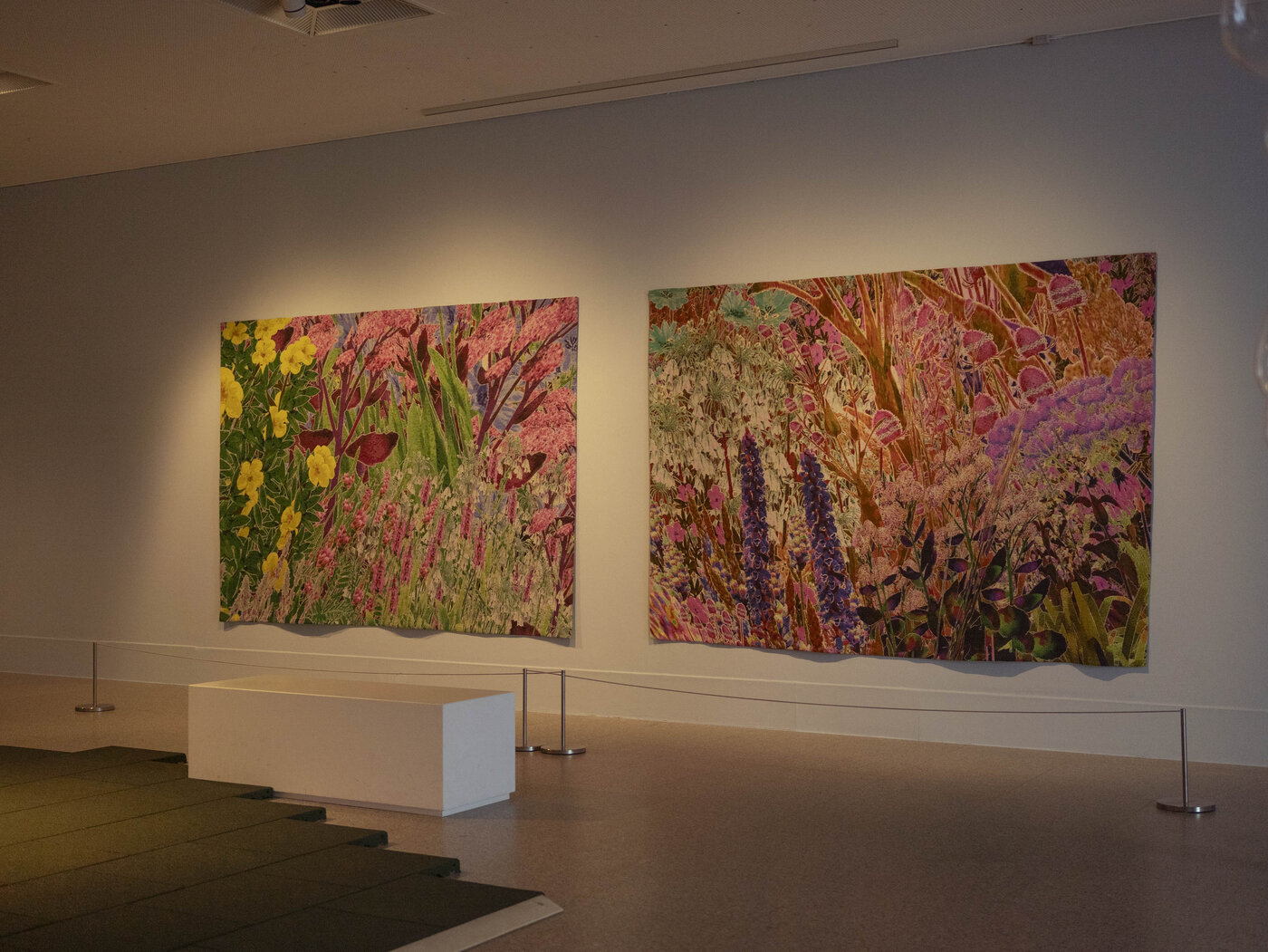
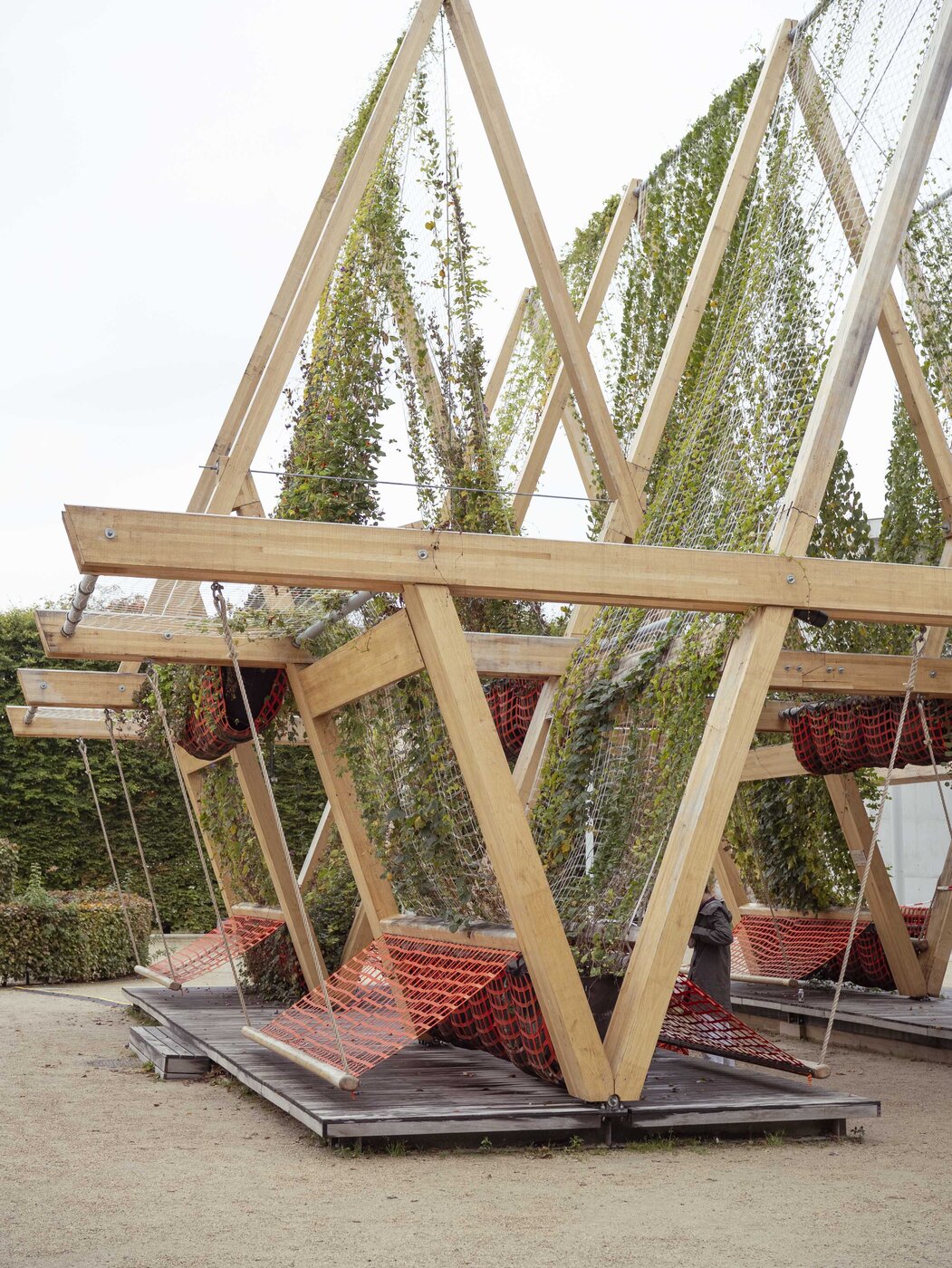
"WEtransFORM - On the Future of Building” is an exhibition that is dedicated to present ideas that will help with the current ecological transformation. By combining architecture, design, sustainability and social awareness the exhibition shows that sustainable building is not just a technical challenge but needs to be approached from both a cultural and social point of view, too. The exhibition focuses on eight main themes: climate resilience, biodiversity, sufficiency, renewing of existing buildings, circular material cycles, experimentation and social responsibility. The exhibition encourages visitors not only to learn but to take action, experiment, and rethink their own role in sustainable transformation and how we might build a sustainable future. Different approaches are represented such as solutions for buildings and cities that adapt to extreme weather and climate risks, strengthening urban green spaces and integrating natural elements into architectural concepts, using less material, adaptation, reuse and more natural material. An example is Tree.ONE by ecoLogicStudio: a biotechnical 3D printed, ten meter tall “tree” using microalgae to absorb CO₂ and produce biomass. Tree.ONE grew out of EcoLogicStudio's long-time interest in the power of algae. The design was developed with the help of algorithms that combined the logic of architectural columns and arboreal systems, mimicking the "biological intelligence" of the natural world to obtain maximum strength from the pliable material. "It is not enough to consider upgrading a contemporary city through application of new green technology, but we need to imagine and visualise new photosynthetic processes that will determine its future growth” said Claudia Pasquero, co-founder of ecoLogicStudio.

Fraunhofer CSP - Past and future of photovoltaics
09.10.25, Halle (Saale)
Fraunhofer CSP | Dr. B Jäckel

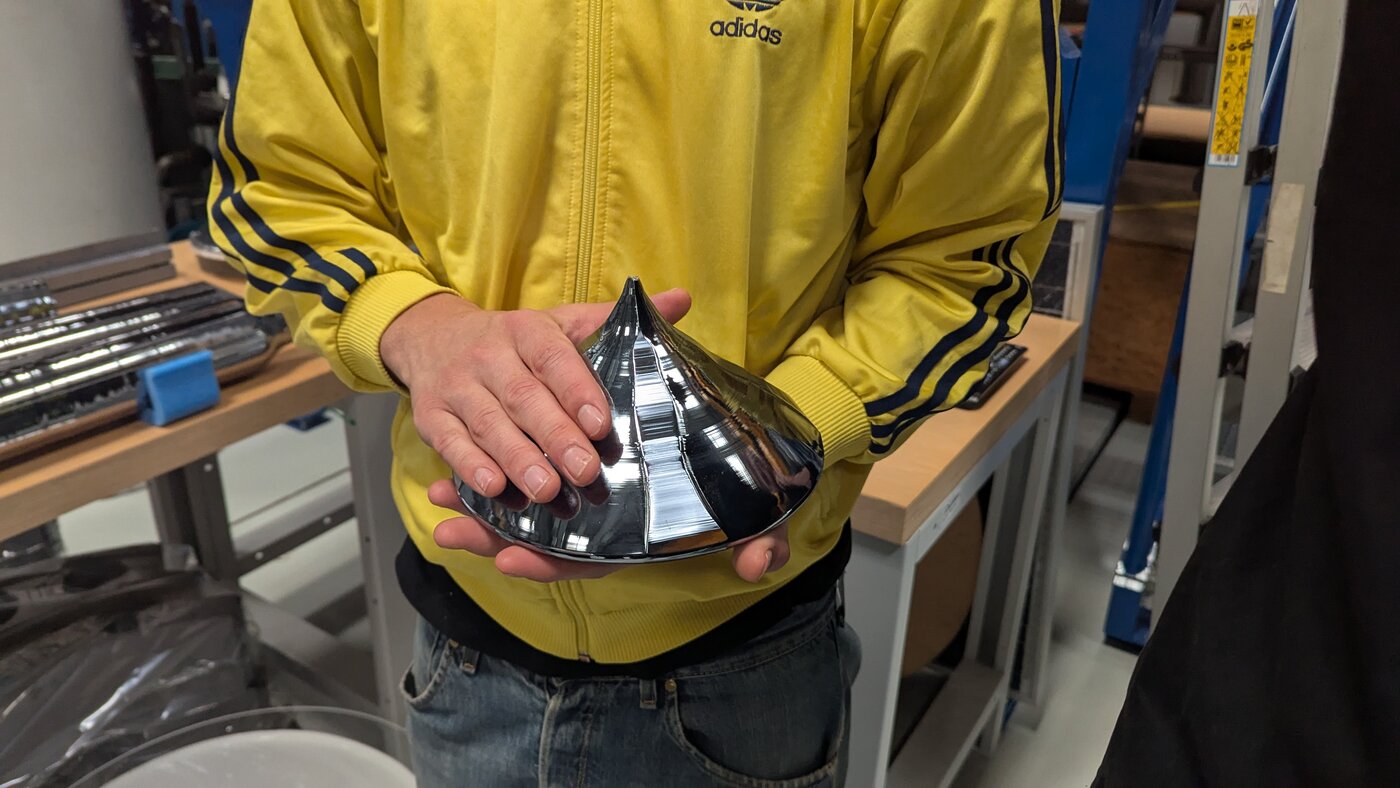
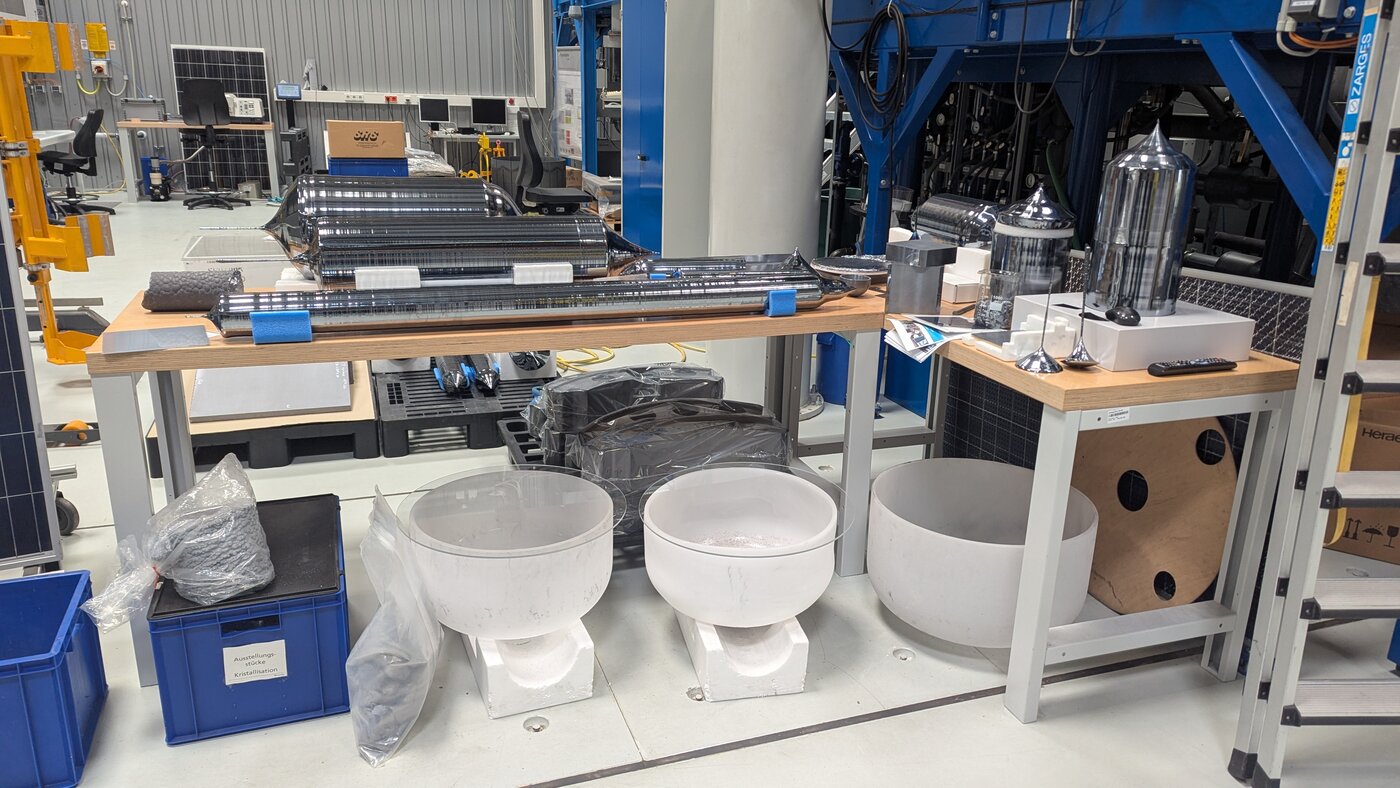
Our excursion to the Fraunhofer Center for Silicon Photovoltaics (CSP) in Halle (Saale) provided a comprehensive behind-the-scenes look at the transformation of the energy sector. The institute's research covers the complete lifecycle —from silicon crystallization to recycling. The evolution over the past two decades has been nothing short of drastic. While module costs dropped from roughly €1500 to a mere €50, efficiency has soared from 10% to over 24%. New cell technologies like TOPCon and IBC are driving this performance while simultaneously enabling „all-black“ aesthetics, a crucial factor for architectural integration. However, as modules grow to nearly 3 m², the cost structure has shifted: the hardware is now affordable, but logistics and installation have become the new economic bottlenecks. Consequently, current trends favour lightweight, aesthetically optimized modules with thinner glass and „zero-gap“ layouts to improve visual homogeneity. Yet, sustainability remains a complex frontier. While the energy payback time is short (1–3 years), the industry consumes a staggering 10% of global silver demand, pushing research toward conductive alternatives. Furthermore, while technically recyclable, the economic viability of recovering materials from old modules remains a hurdle. The takeaway for our work is clear: While the mass market is dominated globally, the future for European solar innovation lies not in bulk commodities, but in customized, high-quality, and design-oriented building-Integrated photovoltaics (BIPV). It is this intersection of high-tech efficiency and aesthetic customization that defines the potential for our own design concepts.

Solar Materials - Insight into the present and future of solar recycling
22.10.2025, Halle (Saale)
Solar Materials

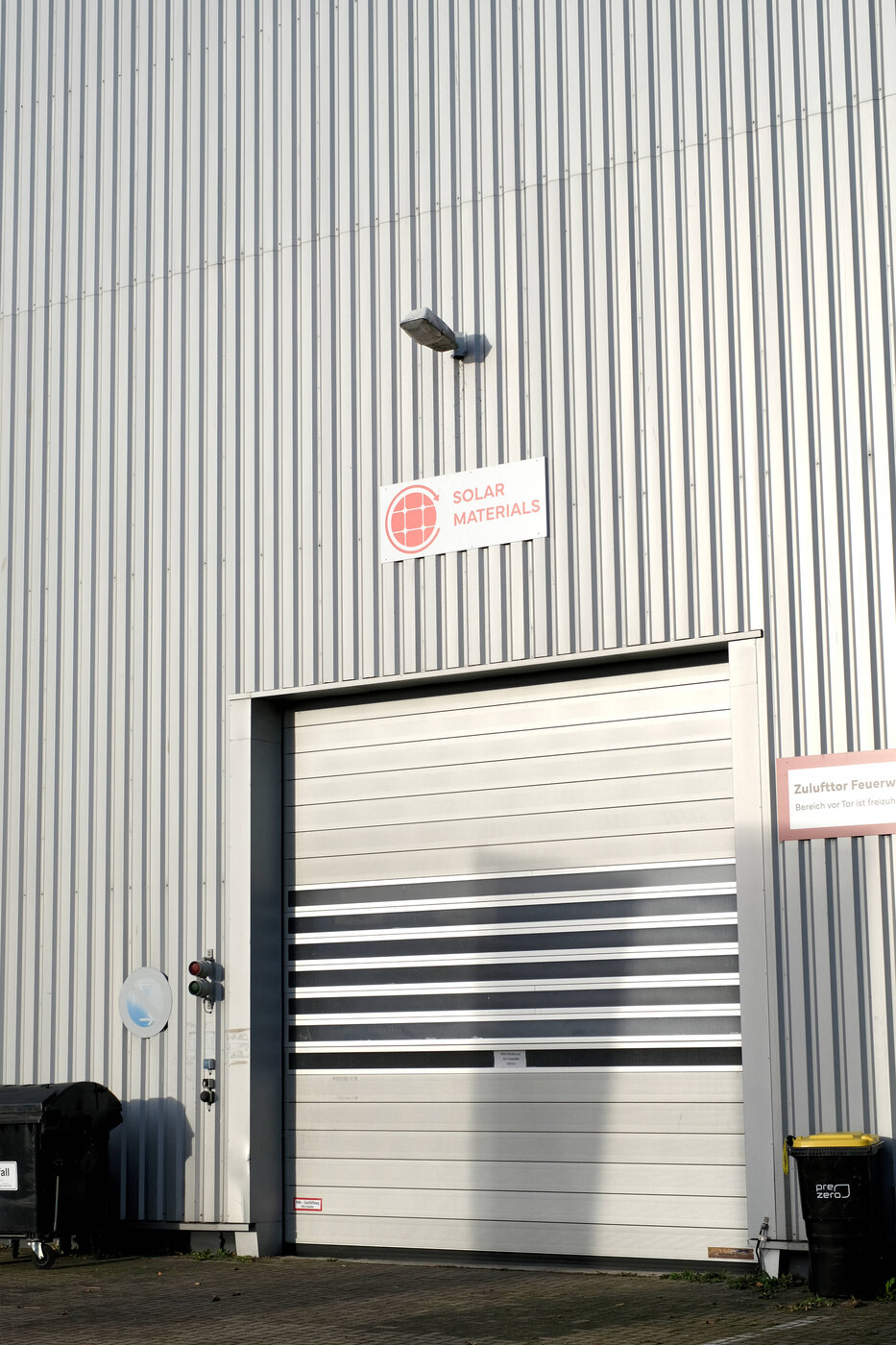
For truly sustainable solar energy, it is not enough to generate electricity cleanly—the end-of-life stage of solar modules must also be taken into account. The company Solar Materials makes a significant contribution to the circular economy. Solar Materials uses a patented process that achieves an exceptionally high recovery rate of 98% of the total module weight. This enables the company to offer the lowest recycling fee currently available on the market. The modules recycled are crystalline silicon solar panels, which are delivered stacked on pallets. A large portion of a solar module consists of glass (≈70%) and aluminium (≈15%). Solar Materials recovers both materials at high purity. The glass can be used to produce container glass, and the aluminium can be remelted with up to 95% energy savings compared to primary aluminium. In addition, valuable materials such as silicon, silver, and copper are separated. Silver is particularly noteworthy: although it makes up only around 0.1% of the module's mass, it accounts for almost 50% of its material value. After purification, the silver is reused in technical applications. The recovered silicon is further processed into high-purity material by a partner company. However it cannot be reused for solar cells again. Solar Materials’ first industrial recycling line is located in Magdeburg and processes up to 3,000 tonnes per year. A second, significantly larger facility is currently under development and is expected to meet the increasing demand for professional module recycling. The recycled secondary raw materials have a carbon footprint reduced by up to 80% and save substantial amounts of energy. In this way, Solar Materials plays a vital role in closing sustainable resource loops and keeping solar energy affordable in the long term. Yet it was depressing to see how much effort is necessary to separate the materials and not even being able to close the loop, because the modules are not designed for recycling at all.