PROCESS: Assignments

Pecha Kucha 
13.10.2025, Halle (Saale) 

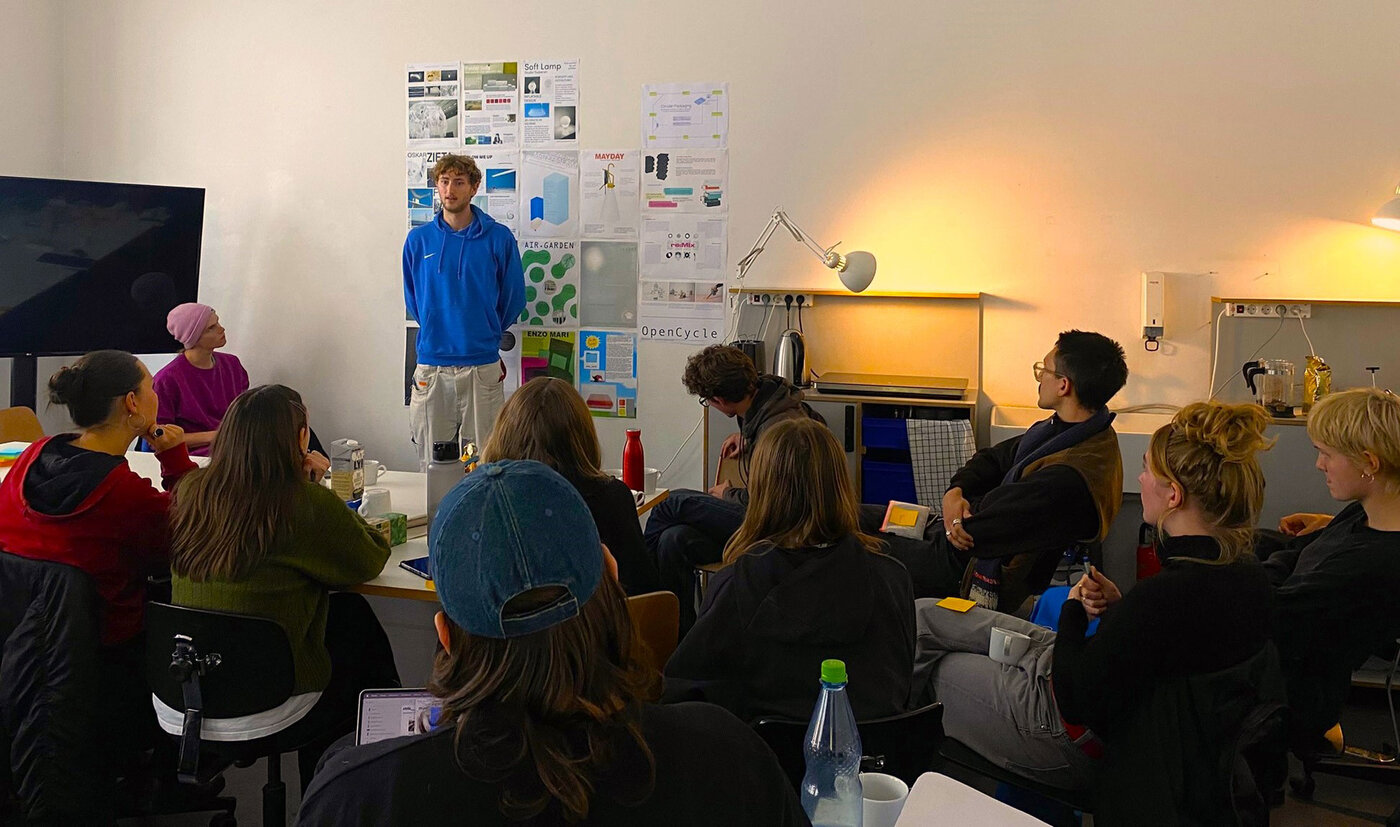
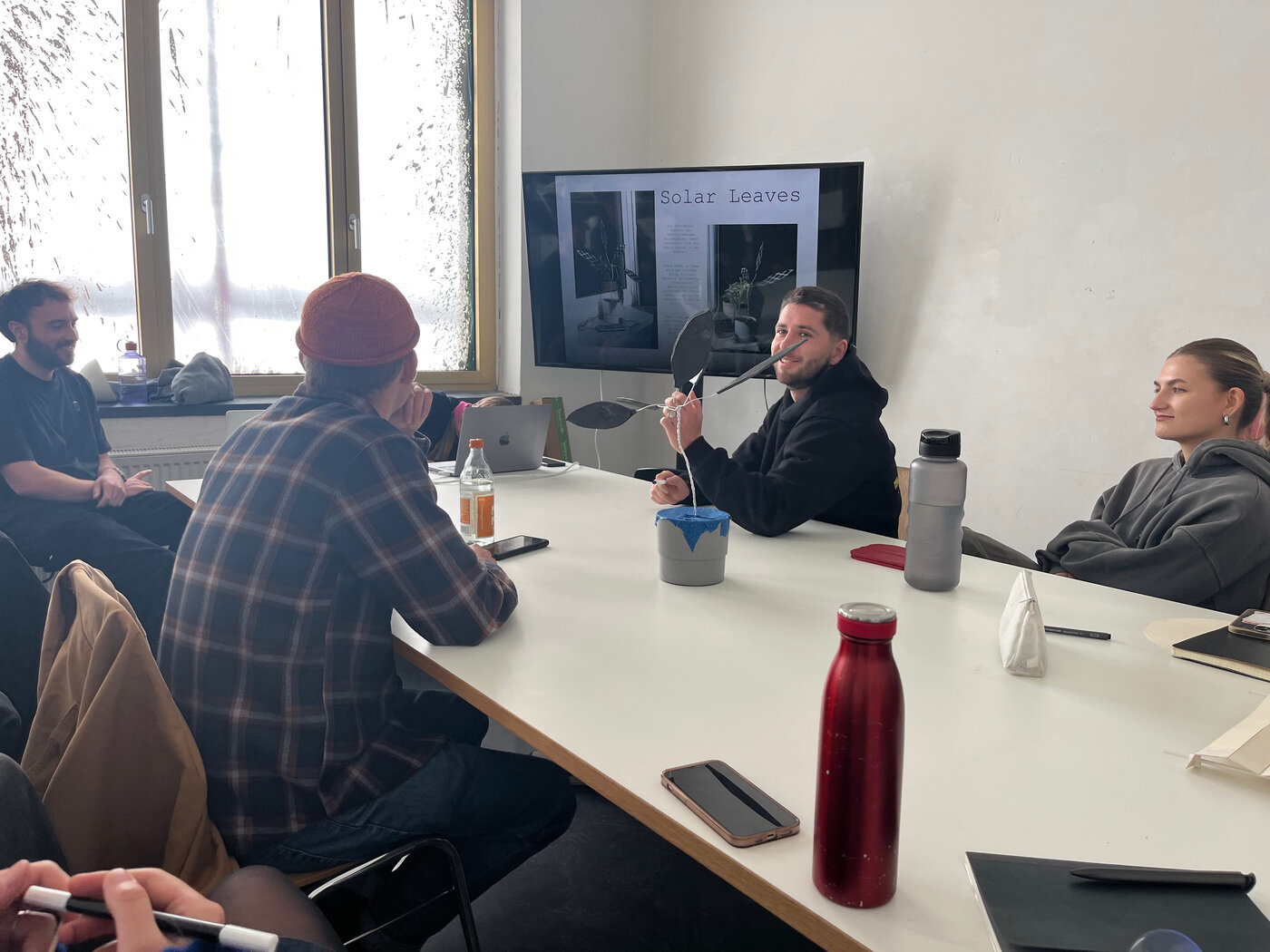
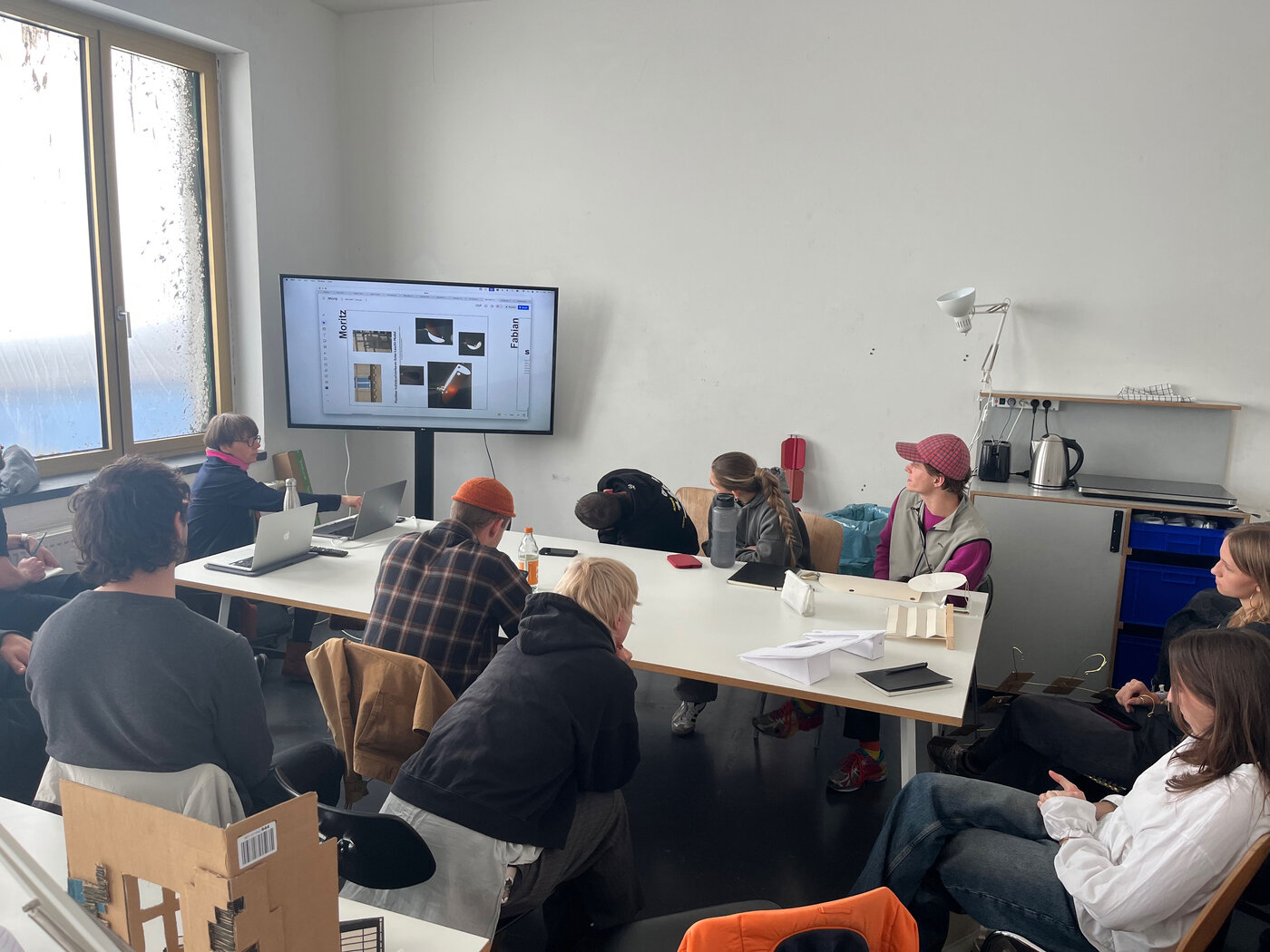
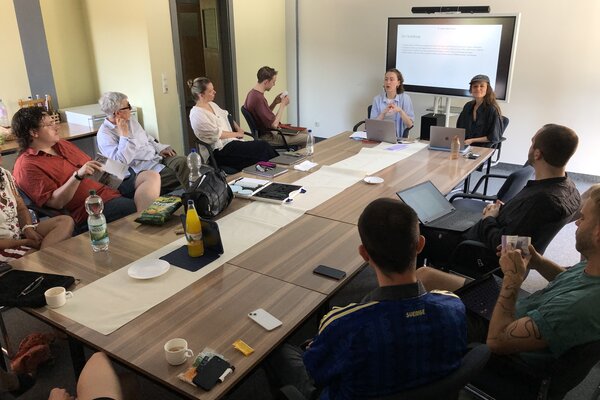
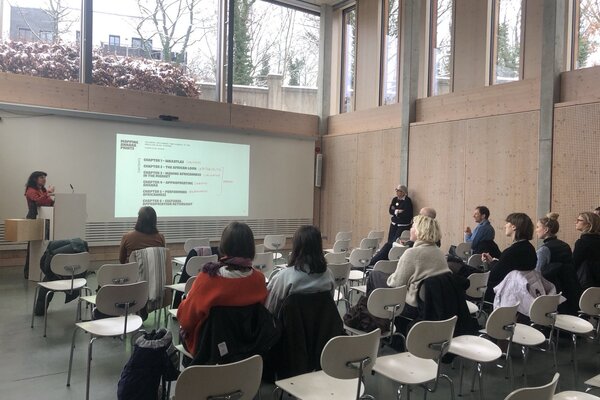
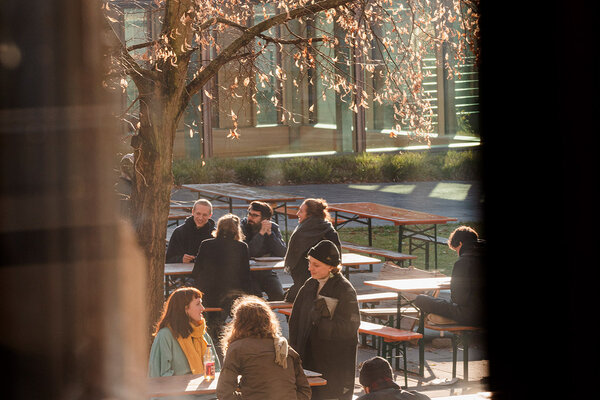
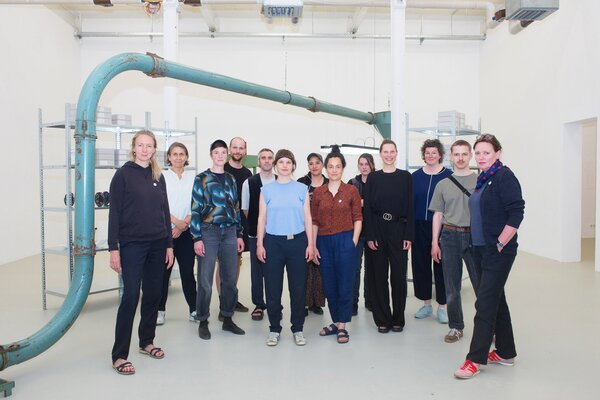
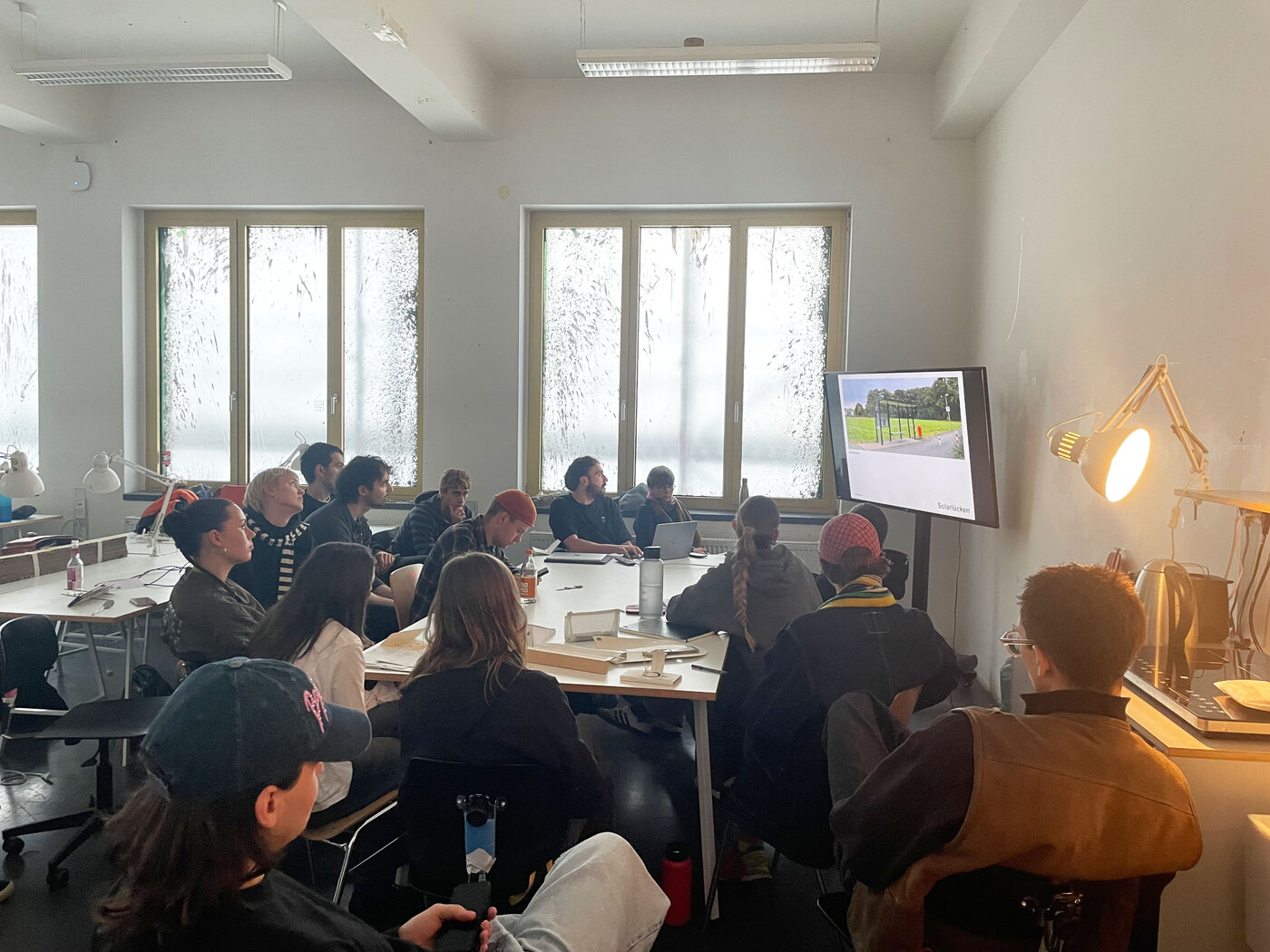
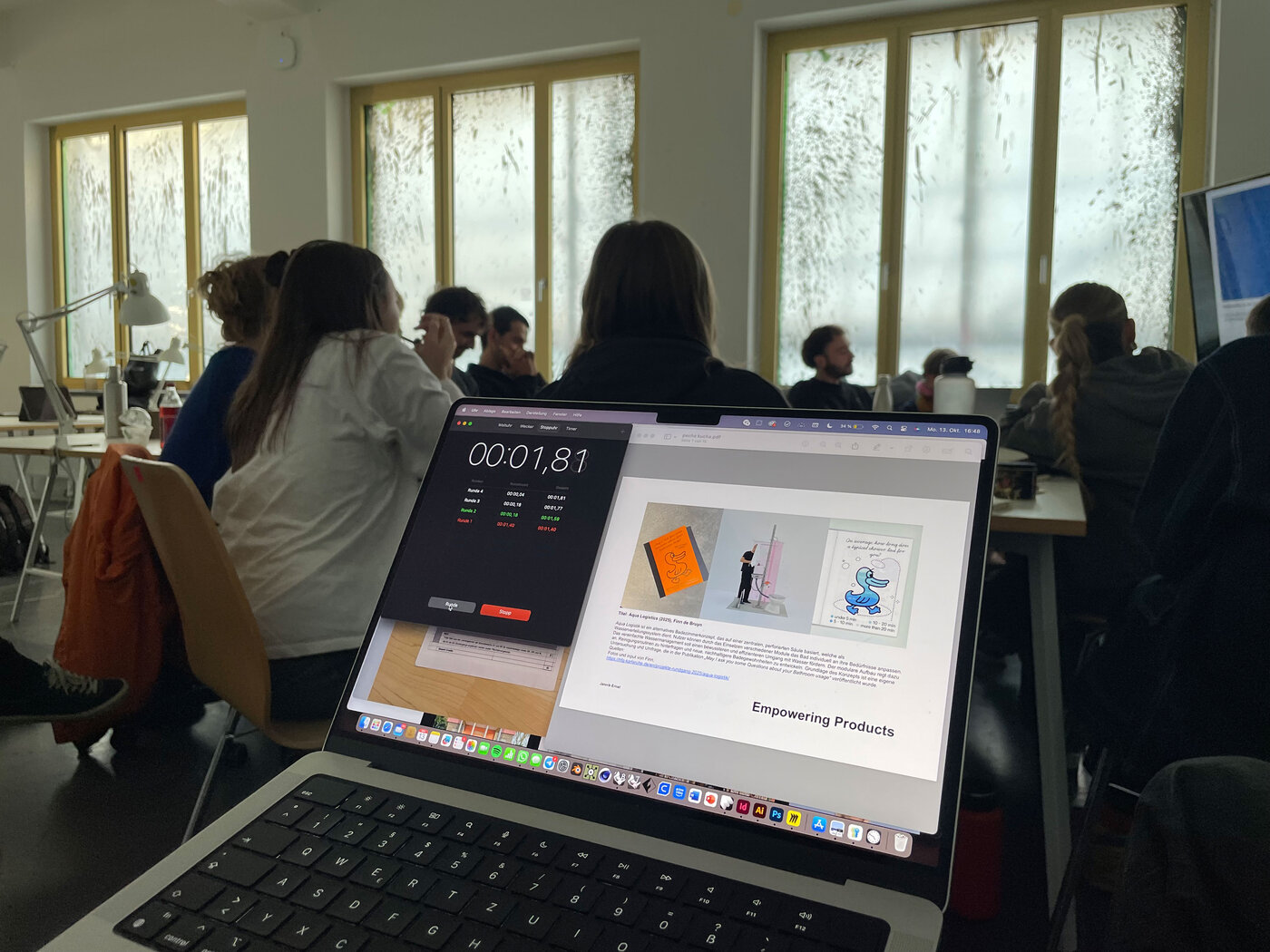
For the assignment, a Pecha Kucha format was prepared, with each presentation consisting of 15 slides, each limited to 20 seconds. The topics were predefined: “solar gaps”, “façade add-ons”, and “empowering products”. The group met in the workroom, where the presentations were given one after the other.

The timer ran during each presentation. The short time frame made it necessary to get straight to the point. Although not every transition went smoothly, this is precisely what made the presentations varied and entertaining.

Despite the identical topic structure, the presentations showed different emphases and approaches. Some were prepared in a very compact way, while others tried to use the 20-second rhythm as flexibly as possible. This resulted in a varied overall impression that reflected the group’s preparation well.

Poster-Designer
14.10.2025, Halle (Saale) 

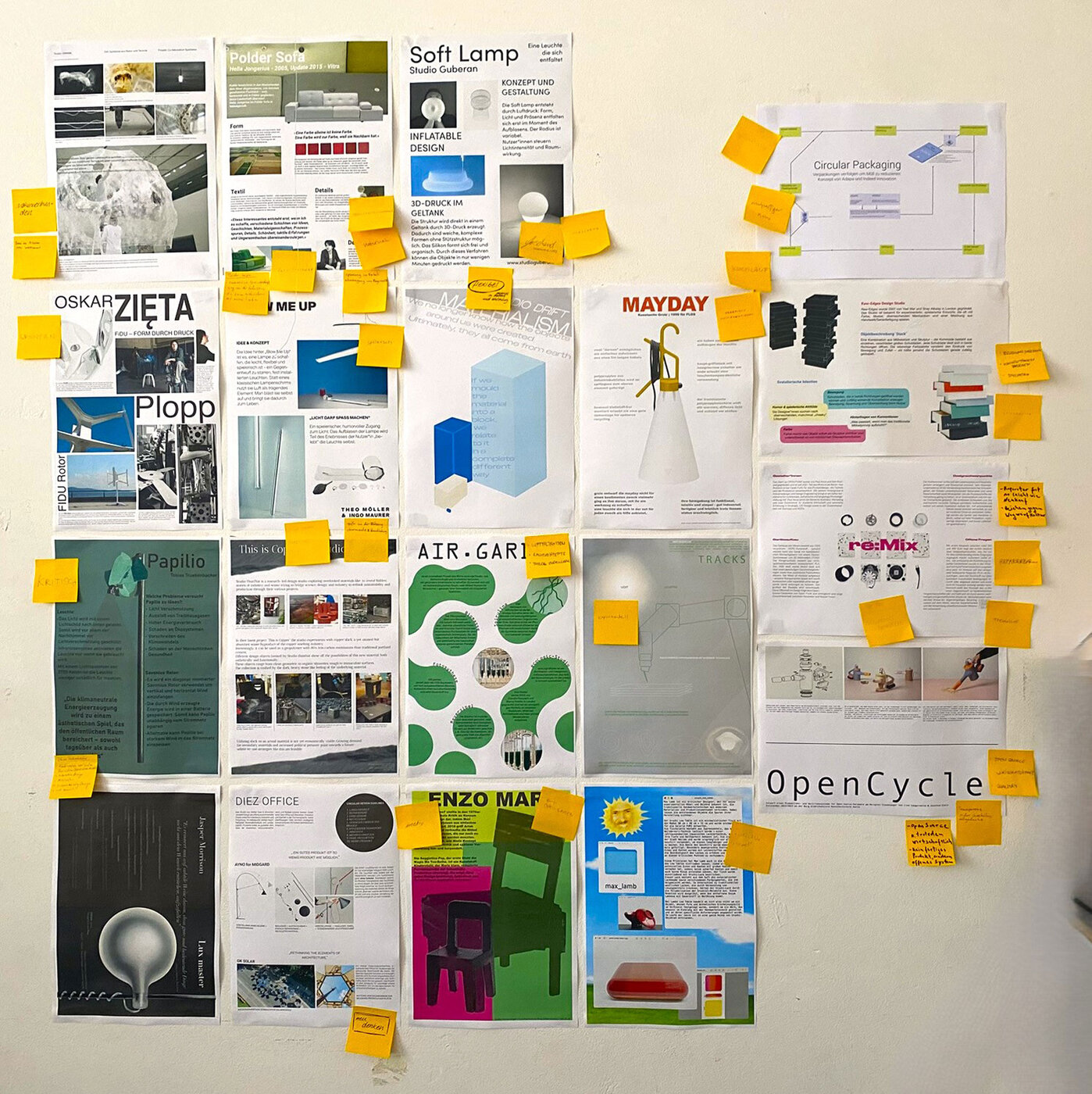
As part of the project, the students engaged intensively with various designers and design studios in order to gain an in-depth insight into different design approaches and develop new perspectives on the topic of “800 watts aesthetics in transition”. The aim was to gain inspiration through targeted research, encourage thought-provoking ideas, and stimulate professional exchange within the group.

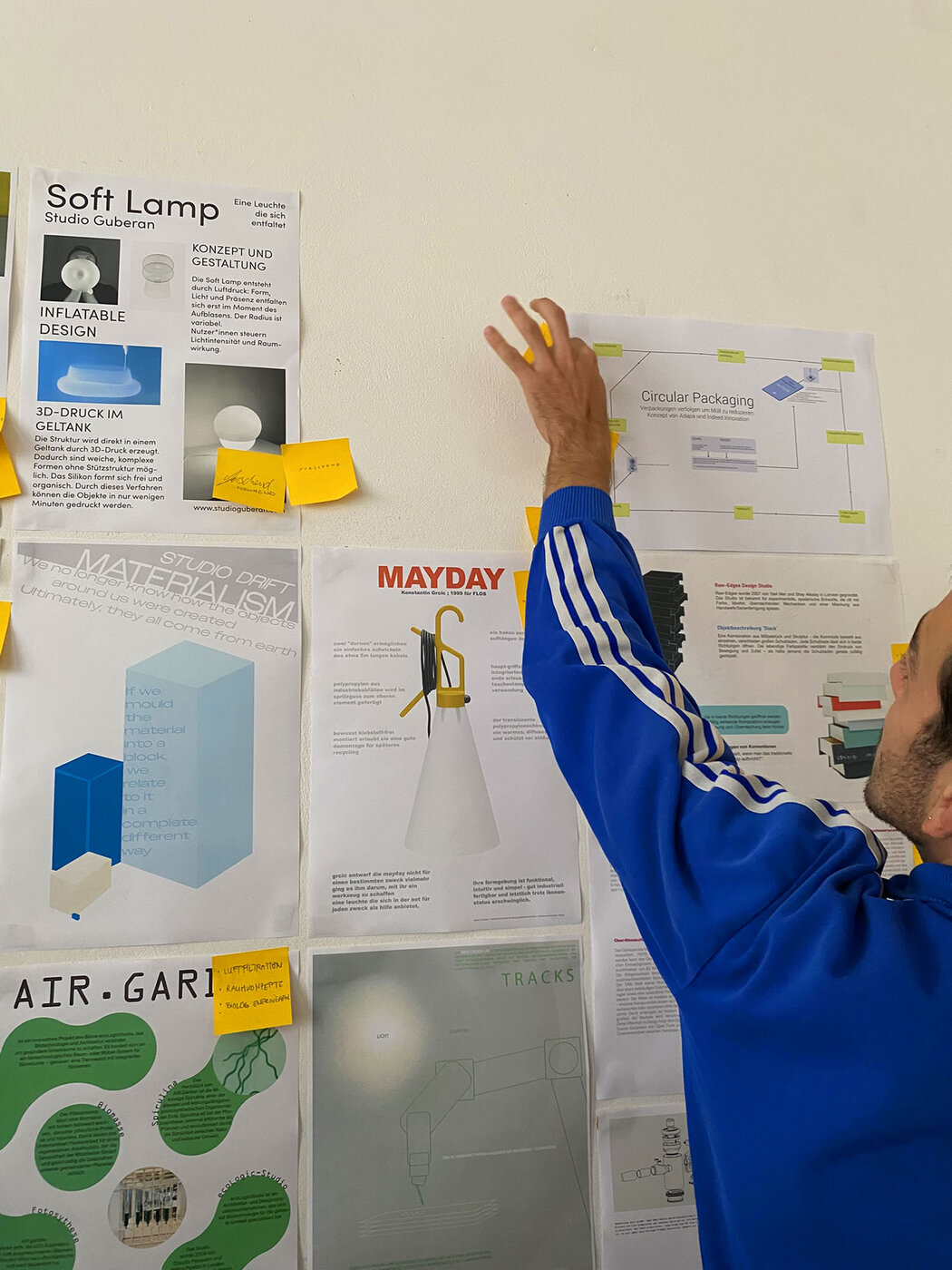
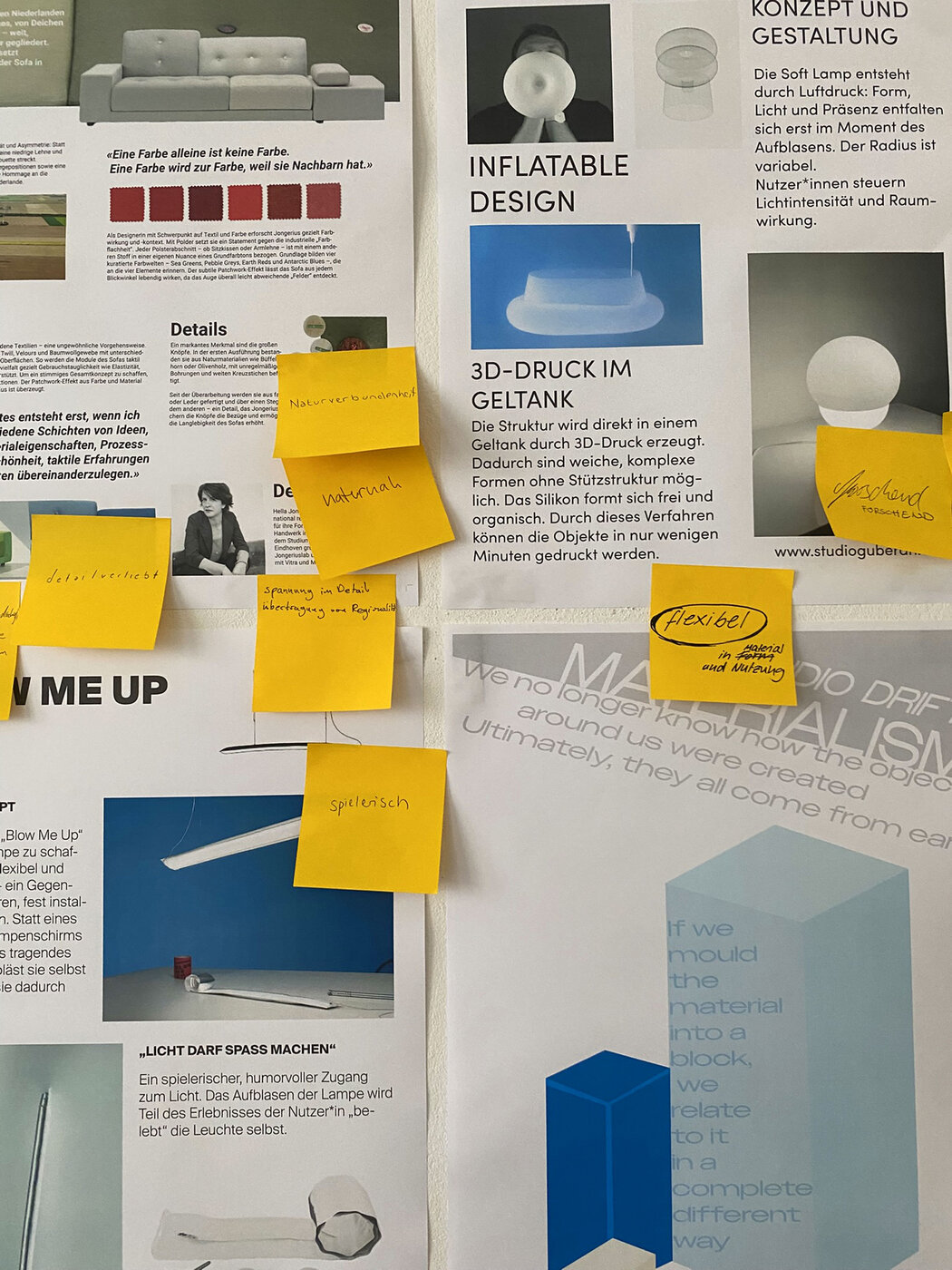
The task was to create an A1 poster that presented the design perspectives, working methods, and values of the respective designers as comprehensively and clearly as possible. The careful examination of the content was reflected in the quality of the posters. The information gathered helped to deepen the understanding of sustainable design and provided new impetus in the context of the energy transition.

The topics ranged from nature-based design to forward-looking technologies. For example, the OXMAN studio was presented, which uses light-controlled silkworms to create specific structures. Another example is ecologicStudio, which develops room dividers mixed with microalgae that not only filter pollutants from the air but can also produce biomass for the manufacture of biopolymers.

In addition to innovative projects, established design classics such as Konstantin Grcic's Mayday, Ingo Maurer's Blow Me Up, and Plopp by Stefan Diez were also discussed. Furthermore, current experimental approaches such as Opencyclone, the kitchen mixer from OpenFunk and the Circular Packaging concept from Indeed also attracted great interest among the students.

Solarpappe 
13.10.2025, Halle (Saale) 

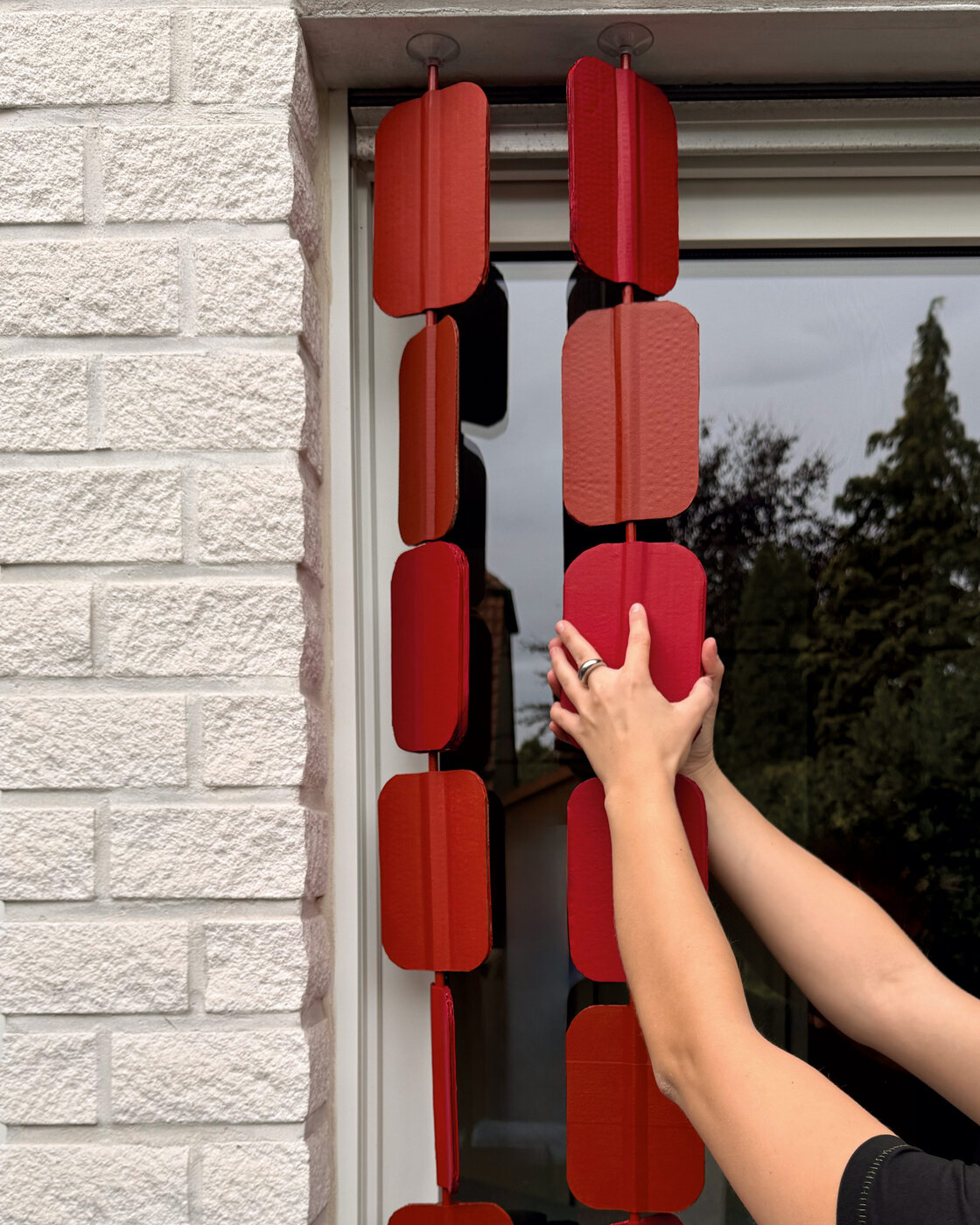
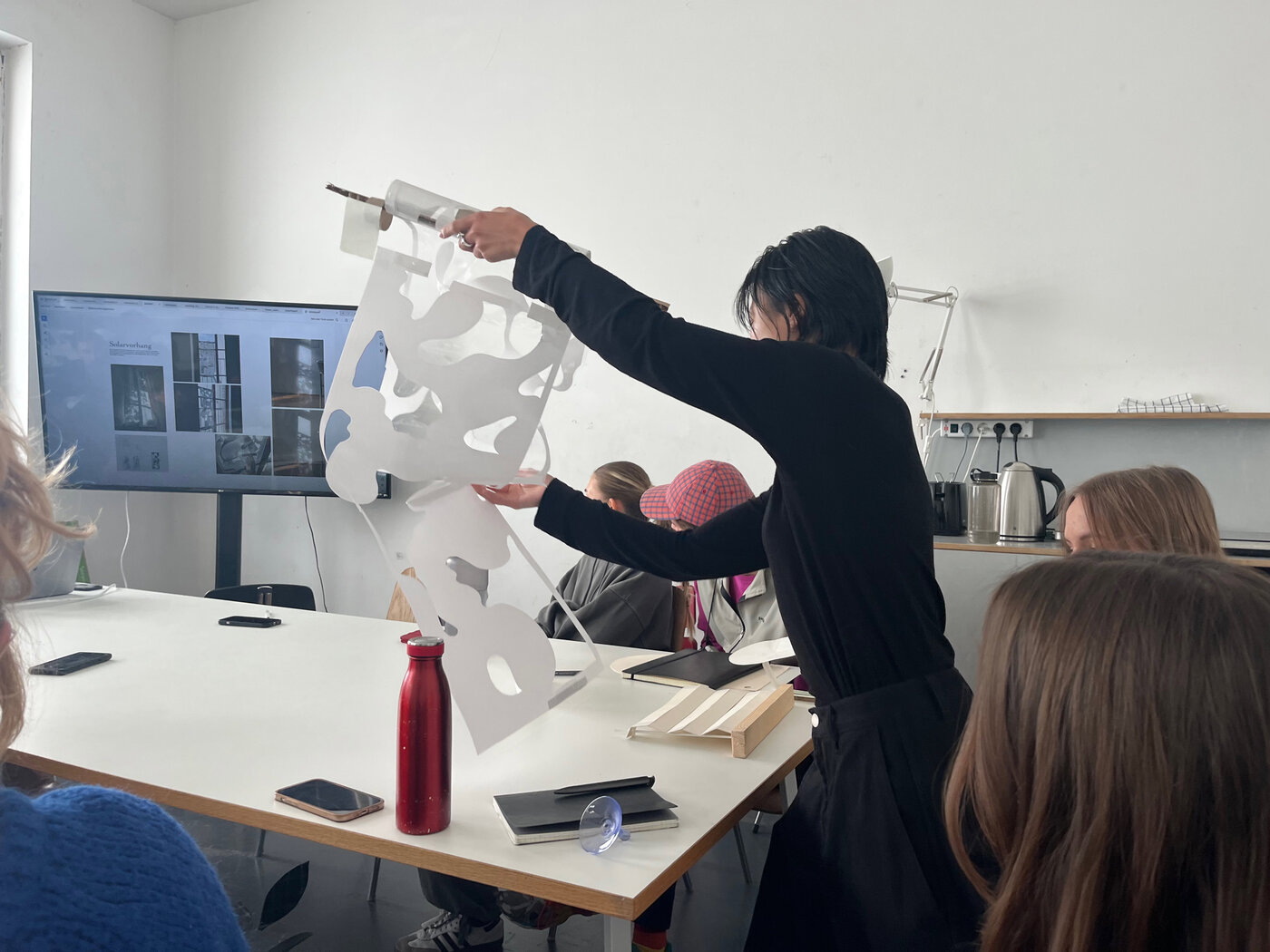
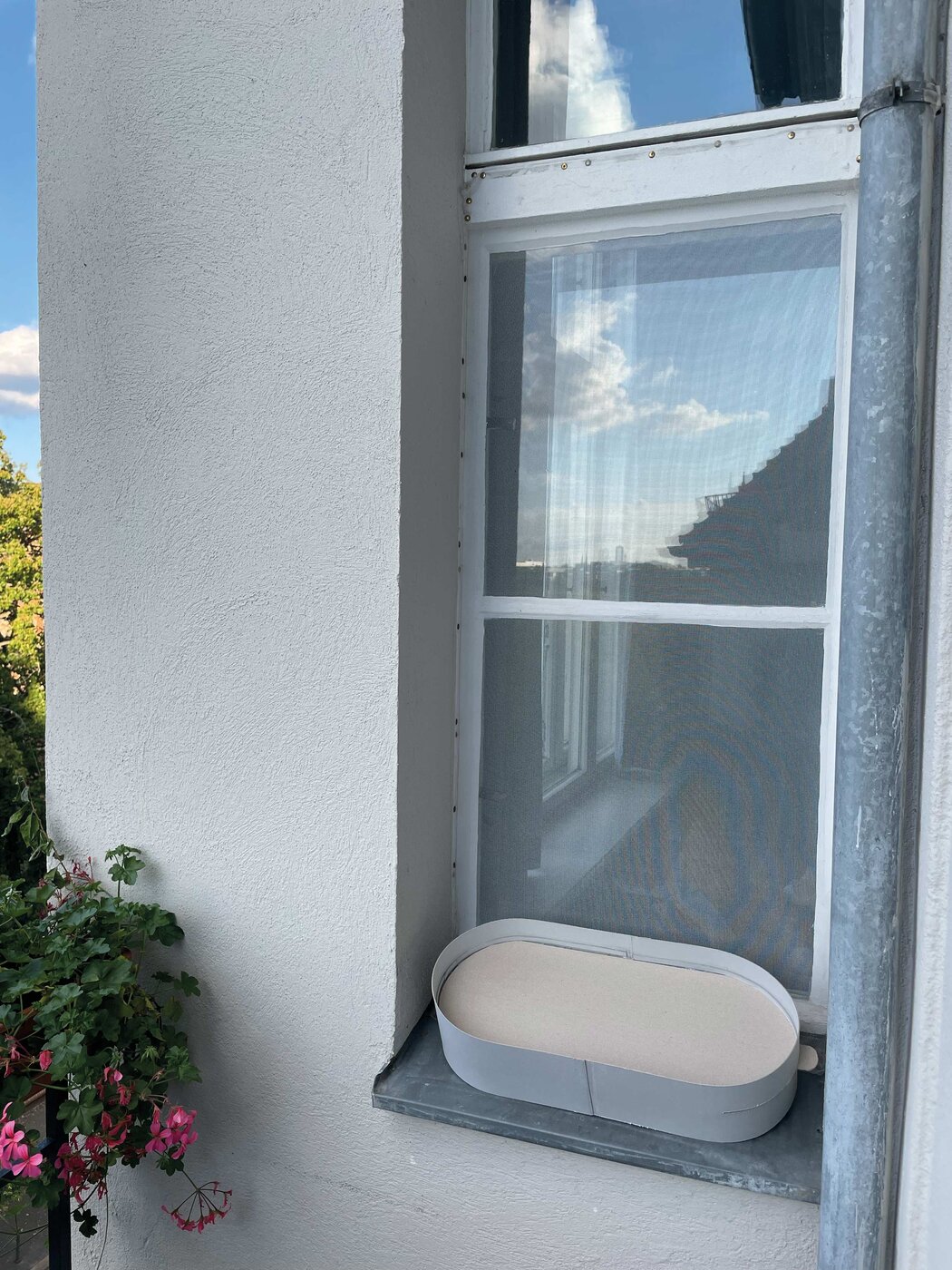
The task Solarpappe consisted of imagining one's own ideal balcony power plant – completely free of technical limitations – and then designing it as a model out of cardboard. The focus was on the question of what such a system would have to look like in order to fit perfectly into one's own everyday life and living space. Many initially considered which location in their flat or house received the most sunlight. Some discovered that their south-facing balcony or a large window was ideal, while others considered whether their solar panel could change location during the day to capture the light optimally. This freedom allowed for creative solutions: mobile modules that could be rotated or folded out, feather-light constructions or even ones that could be mounted on the wall of the room. The question of shape and colour also played a major role. Some models resembled decorative elements – coloured frames, organic shapes or patterns – that blended harmoniously into the room design. Other designs featured futuristic, clean lines or flexible surfaces that could be moved like fabric. The mounting was also designed to be flexible: from magnetic holders and Velcro surfaces to completely free-standing modules that stabilise themselves. Practical implementation with cardboard revealed how different personal needs and ideas can be.While some presented their model as a fixed element of a balcony, others experimented with what it would be like to use a portable mini power plant. The resulting A3 posters combined photos of the models with short descriptions explaining the idea behind each design.The presentation not only showcased a variety of designs, different construction options and the individual relationship to energy production, but also how one's own balcony power plant could become a personal, everyday design object.