PROCESS: Ideation

Modules on site – available solar modules and their qualities
15.10.2025, Kunsthochschule Burg Giebichenstein, Halle (Saale)

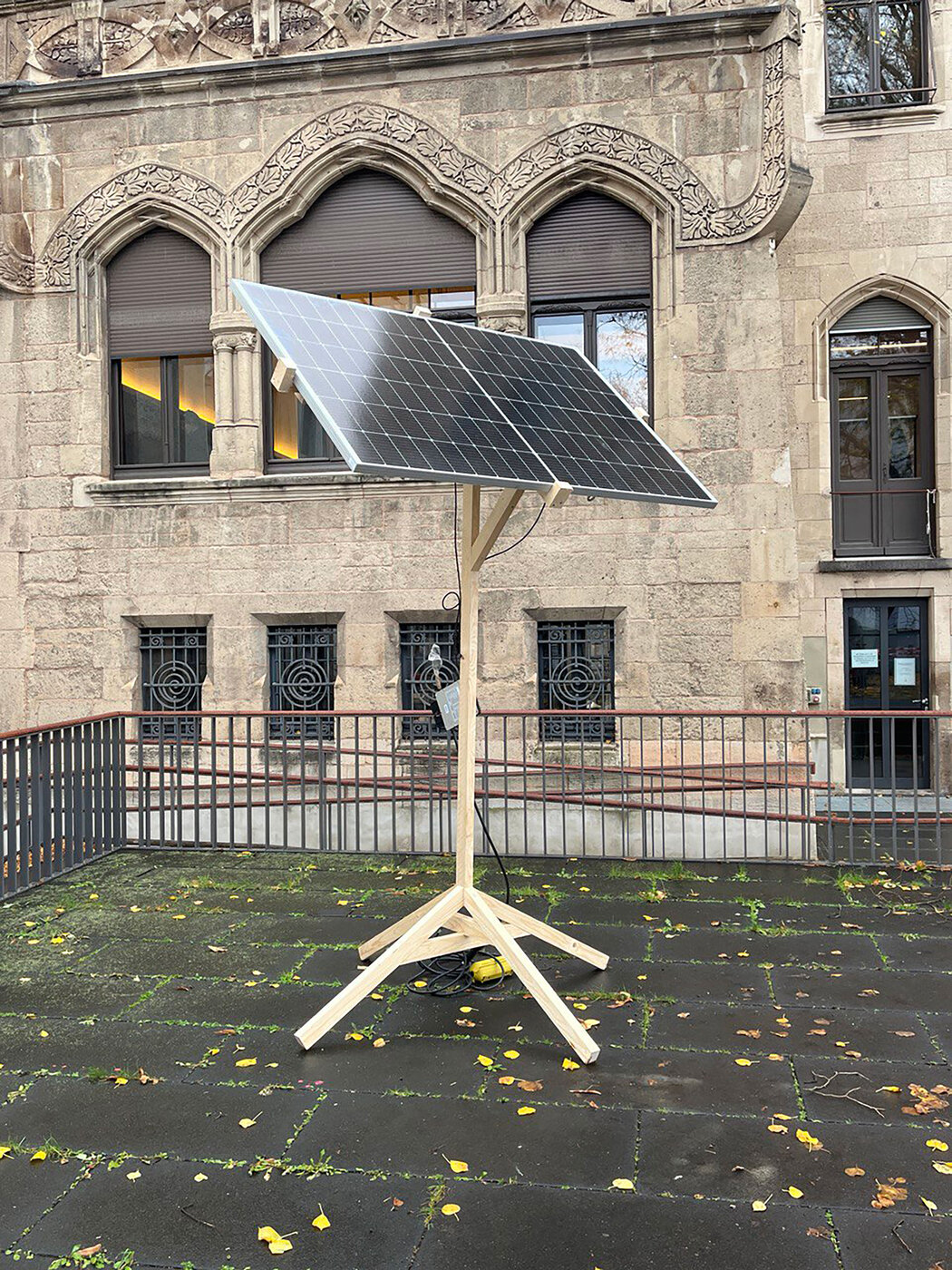
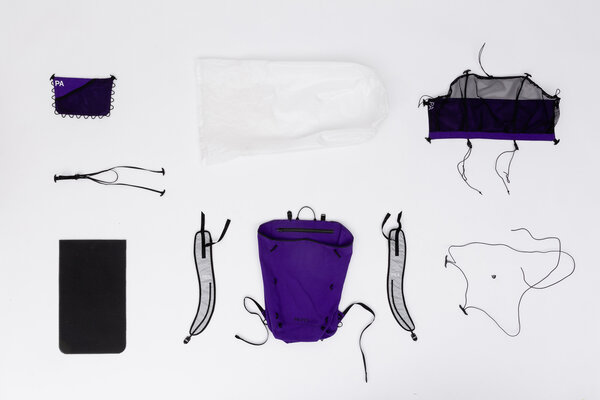
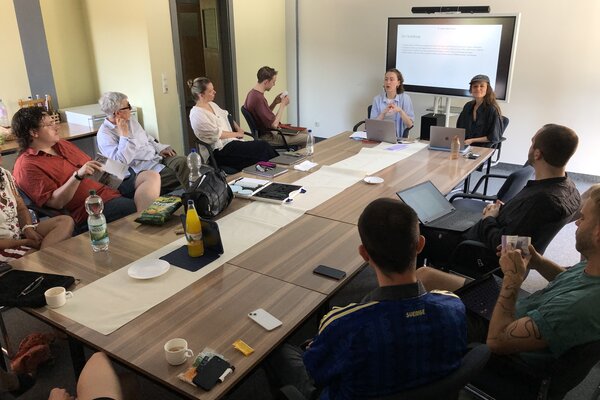
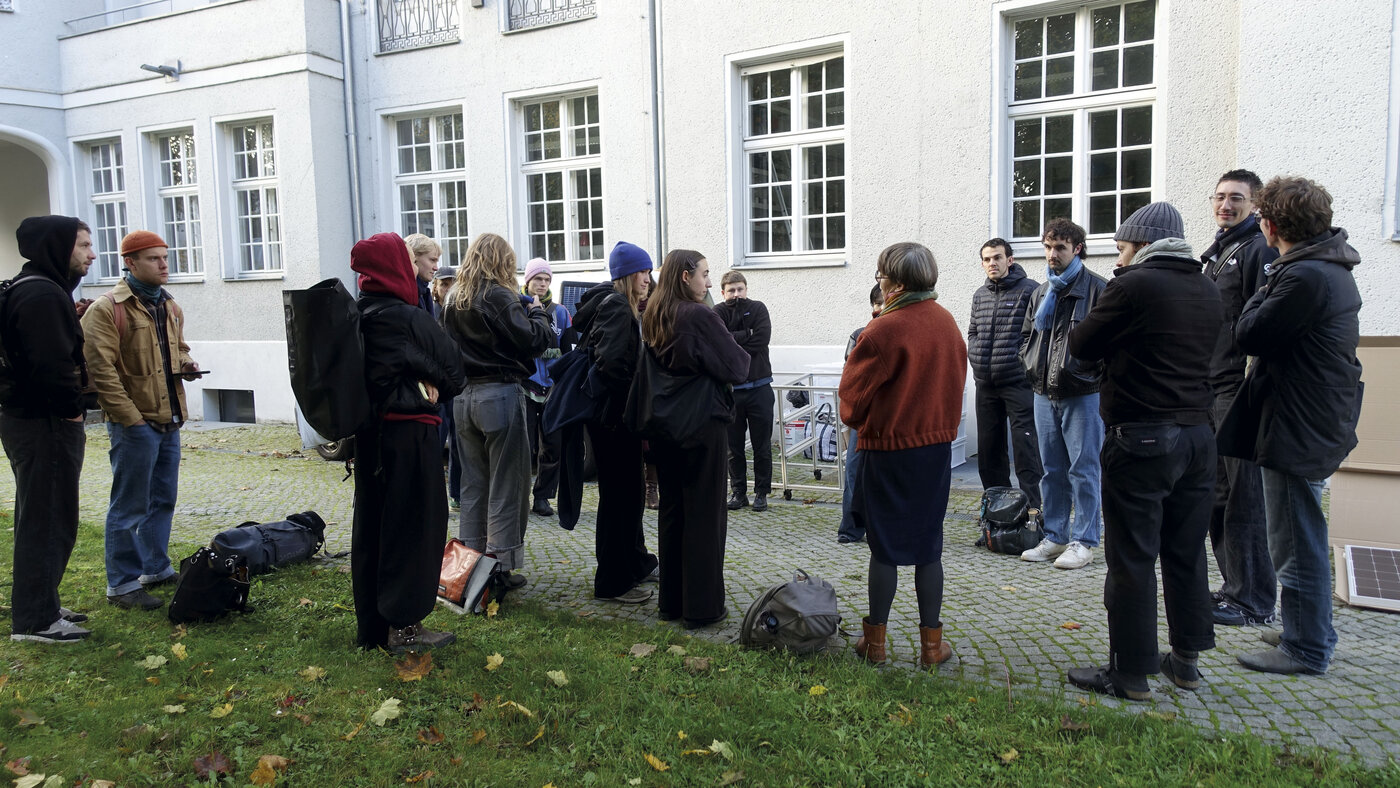
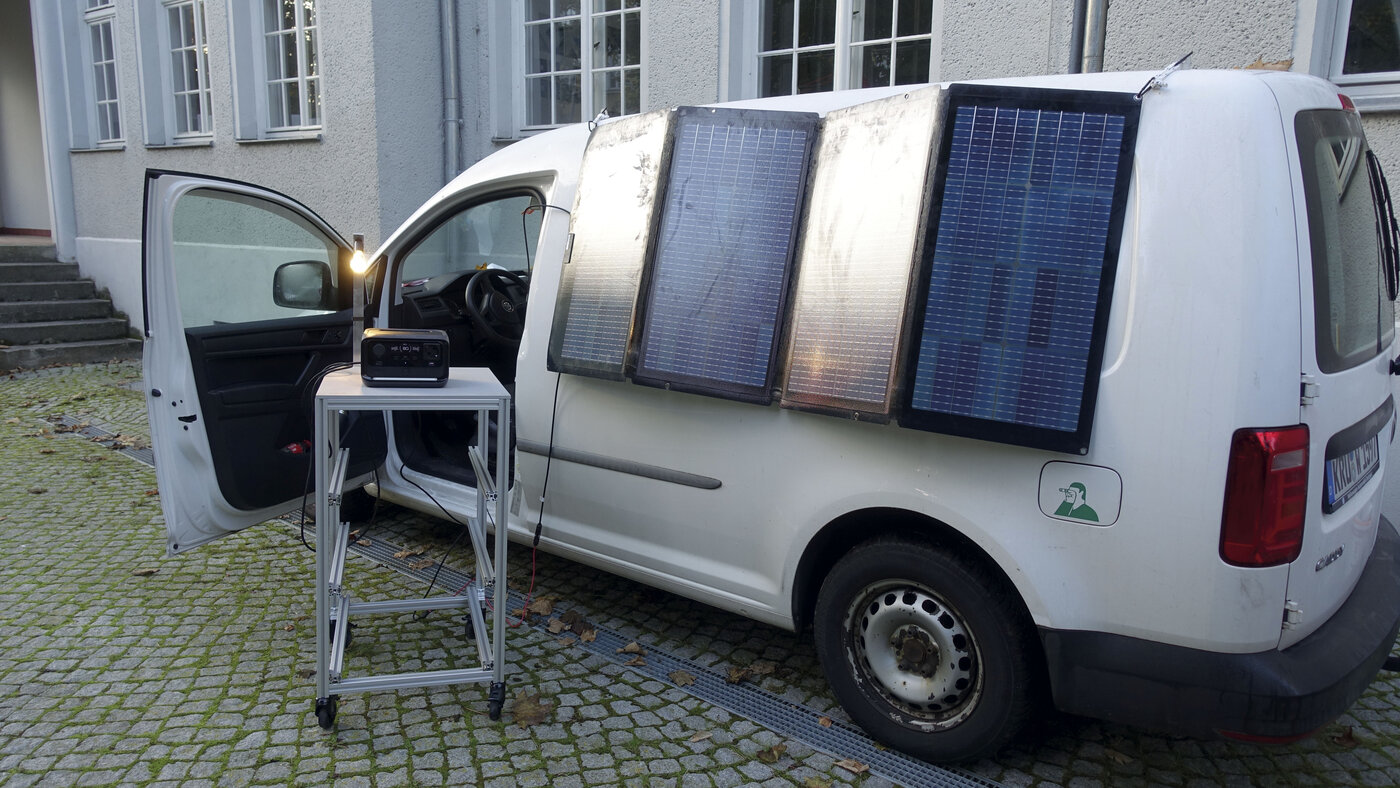
In a short presentation, we examined two different types of photovoltaic panels. The first panel is a foldable photovoltaic system that is often used for camping.  Andi Wagner, industrial designer and former creative assistant at the BURG, introduced the group to this panel as a means of generating mobile energy at trade fairs or events. In combination with a battery, a small exhibition stand including lighting can be independently powered. Without an additional battery, however, this would hardly be possible. The panel can be folded up, stored in a bag and easily transported. The second panel is a classic “plug-in solar device” that is available in hardware stores and is usually installed on smaller roofs . This is a photovoltaic module in a standardised size, which is sold together with an inverter and a connection plug. The inverter enables the solar energy generated (direct current) to be fed directly into the household‘s electrical circuit. By comparing the two modules, their respective areas of application were illustrated and a clear difference in their performance could be demonstrated.
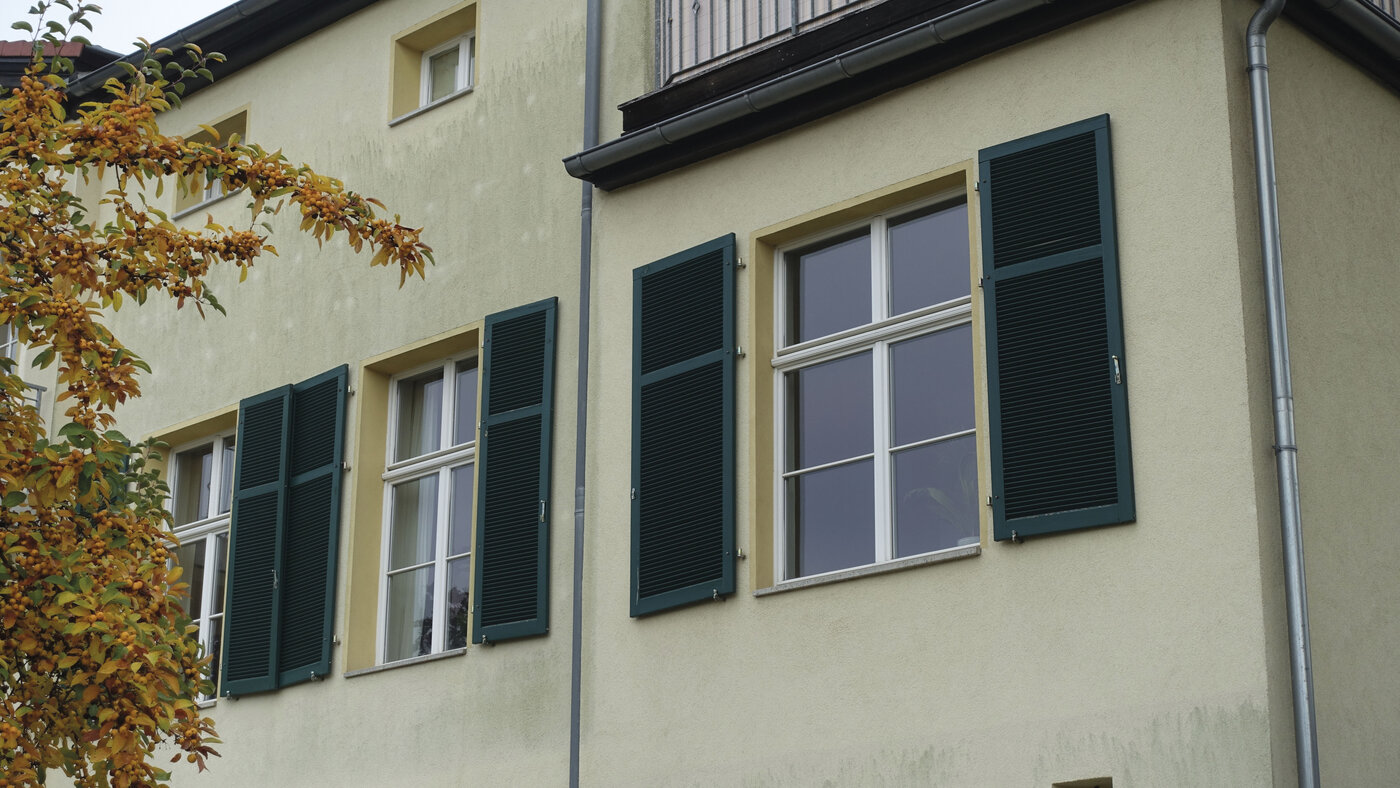
City walk  – gaps in the city as future solar fields
15.10.2025, Kunsthochschule Burg Giebichenstein, Halle (Saale)

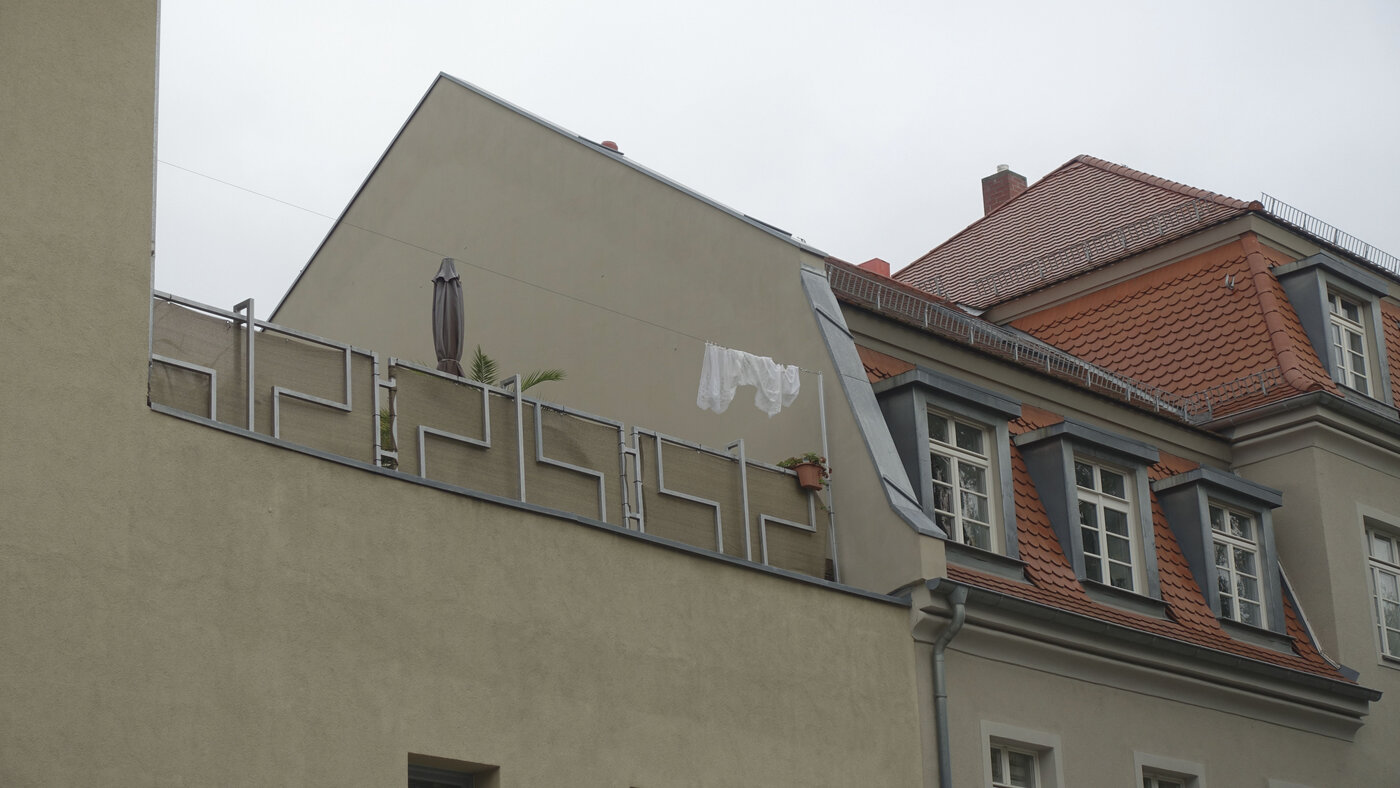
The presentation of solar modules was followed by a walk around the city. During this tour, the project group was asked to explore the surrounding area for potential ‘solar gaps’ – areas where a photovoltaic module could be installed. The task was to document these potential locations with cameras and later compile them in a presentation. The students split into small groups to search for suitable areas for photovoltaic modules. They were free to choose the area they wanted to explore, with most groups exploring the area within walking distance of our university. This resulted in some exciting photographs and observations, which led to new ideas for the project.

Ideation Workshop
26.10.2025, Kunsthochschule Burg Giebichenstein, Halle (Saale) 

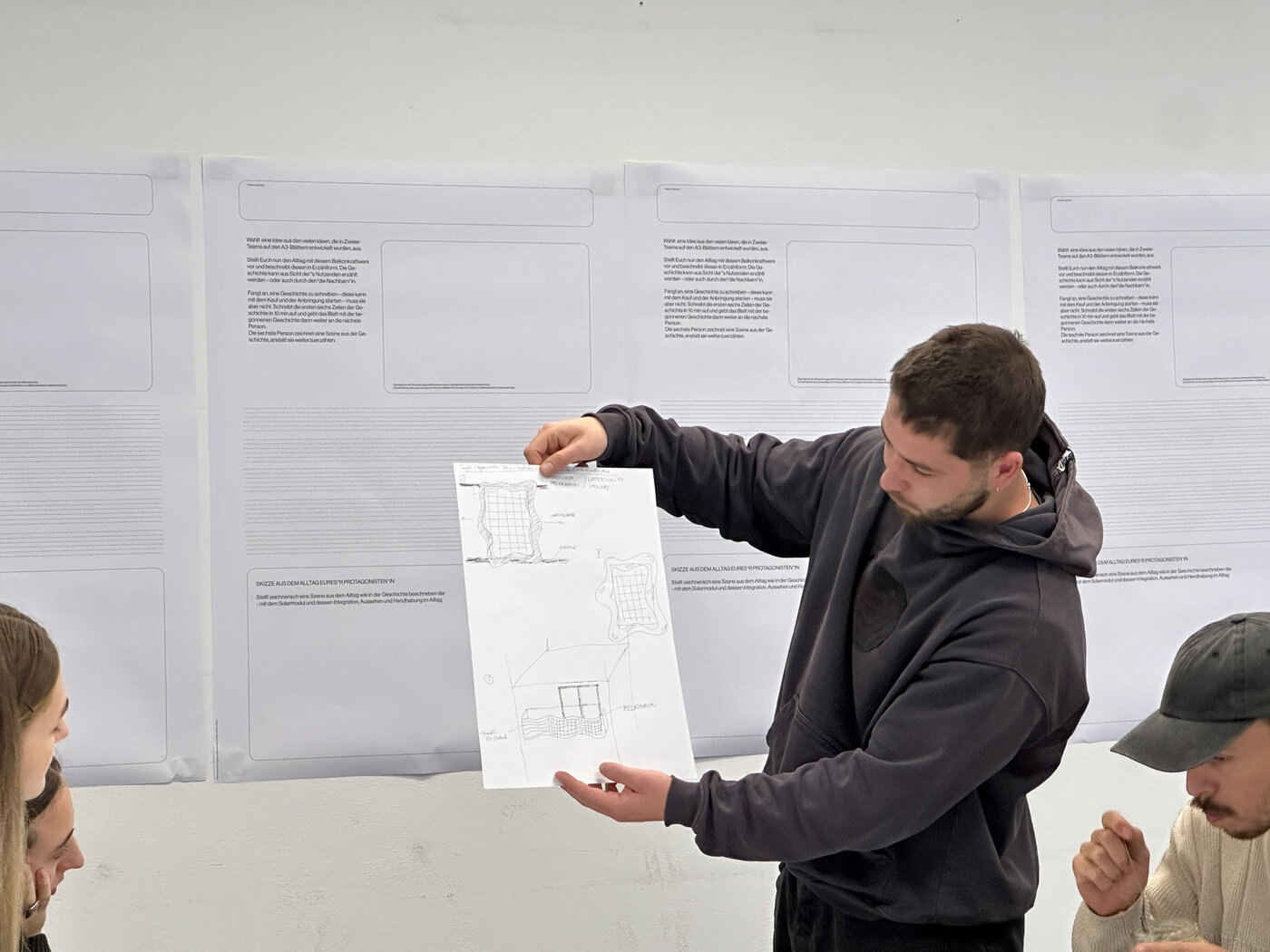
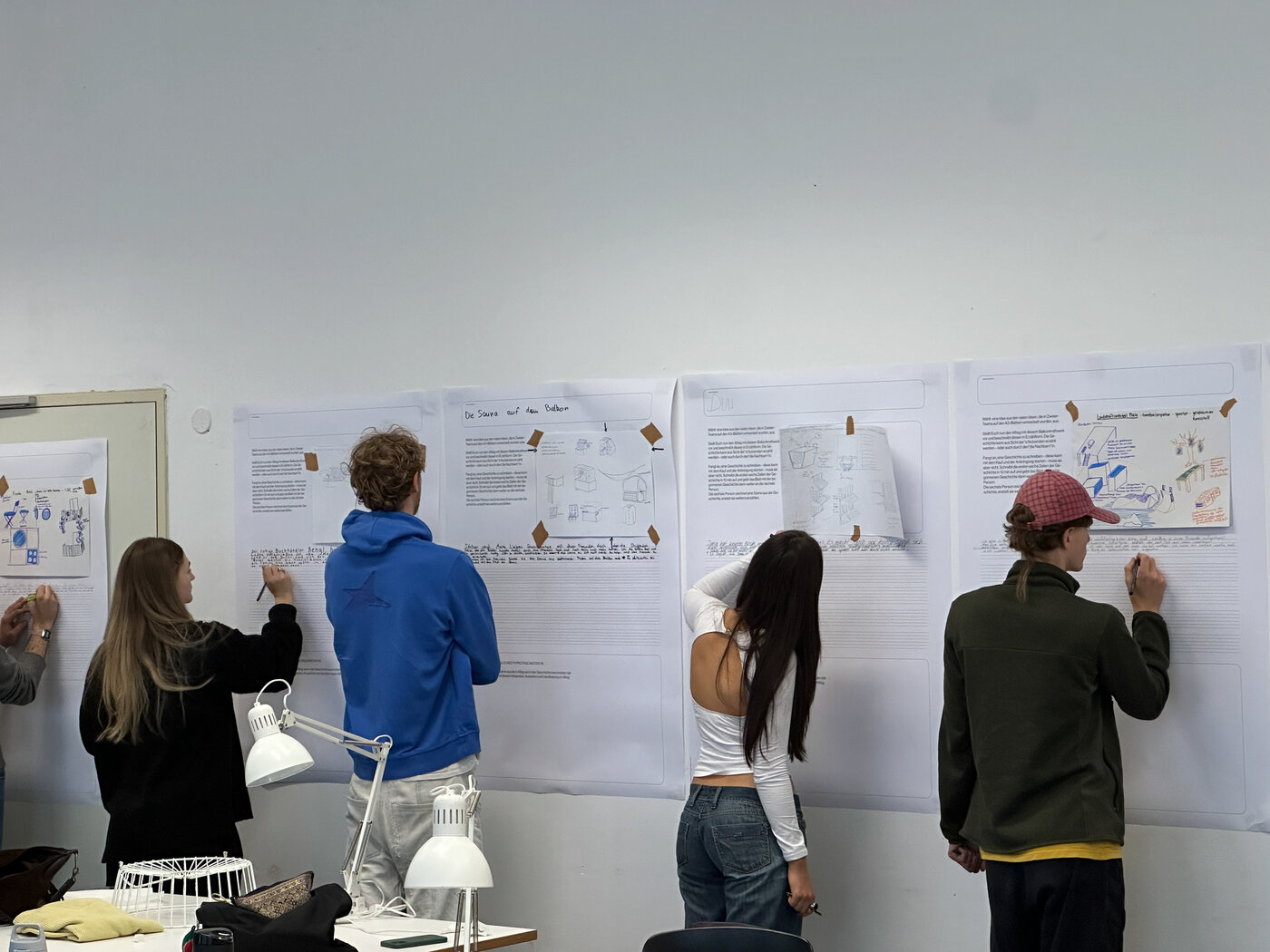
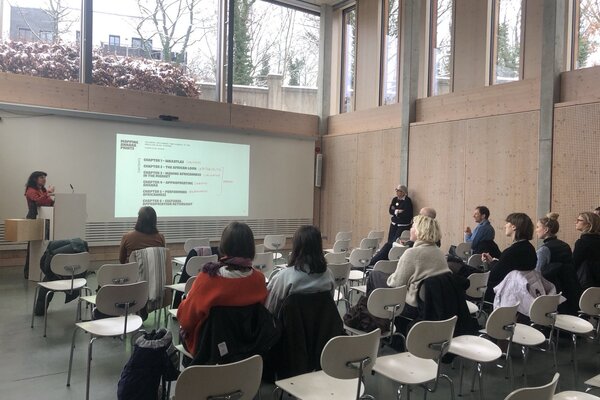
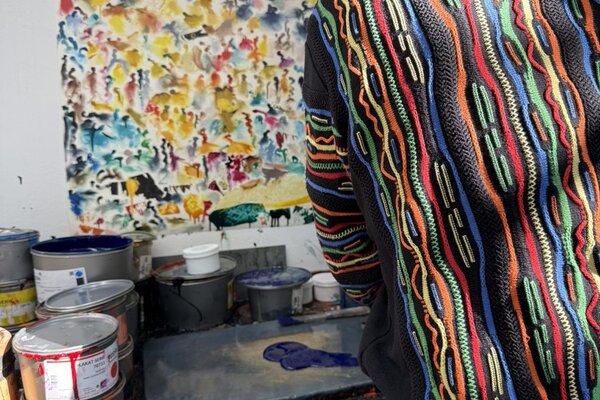
The starting point for the ideation workshop was the city walk where we looked for places where a solar module could be installed and photographed those. We then printed out the photos and used them to develop stereotypical personas in order to gain a clearer understanding of potential target groups. Each photo served as a basis for the question of who might live in that location. For each persona, we created a short description, a sketch, and information about their living situation. We then collected terms relating to potential features of plug-in solar devices that do not yet exist. The focus lied beyond technical feasibility and more on free, visionary thinking. Terms such as inflatable, decorative, transportable, and stackable emerged. In the next step, we combined materials and technologies that could work together, such as forged sheet metal, welded profiles, and woven textiles. This resulted in three levels on the wall: the personas, the wishful thinking, and the material and technology combinations. These elements were then randomly combined and supplemented with postures from the lectures. Working in pairs, we translated the combinations into drawings during short, intensive work phases. We had only ten minutes for each of the three combinations to develop as many spontaneous ideas as possible. The aim was to enable new approaches to thinking through unusual combinations. The next day, we presented the resulting designs to the group. Each person then chose a design, stuck it onto a prepared A1 sheet of paper, and wrote a short story about it in eight minutes. We then took turns adding to each other‘s stories and finished by creating a suitable sketch. The workshop ended with a joint discussion about the diverse results and creative approaches that had emerged during the process.

Intensive week – rapid prototyping
17.11.2025, Halle (Saale)

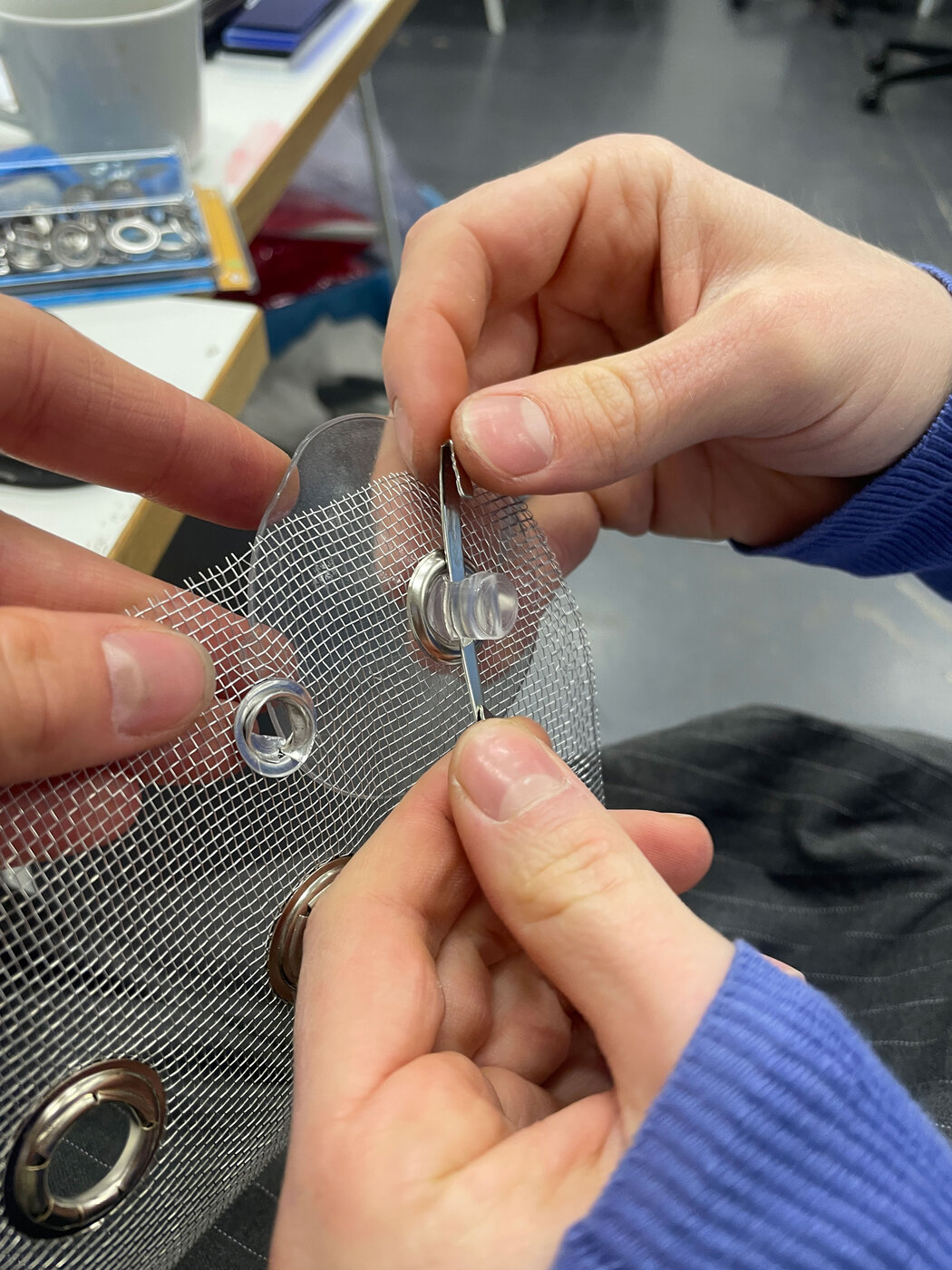
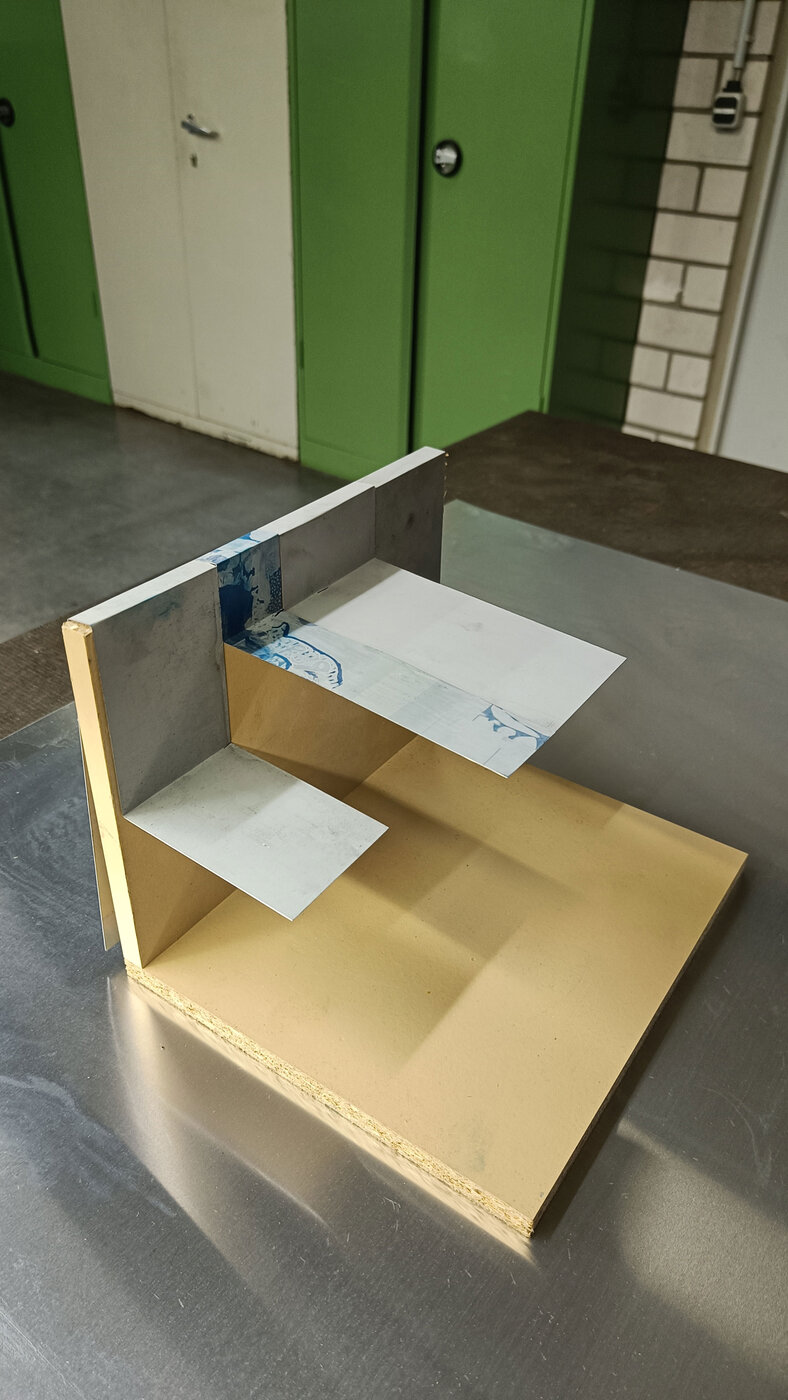
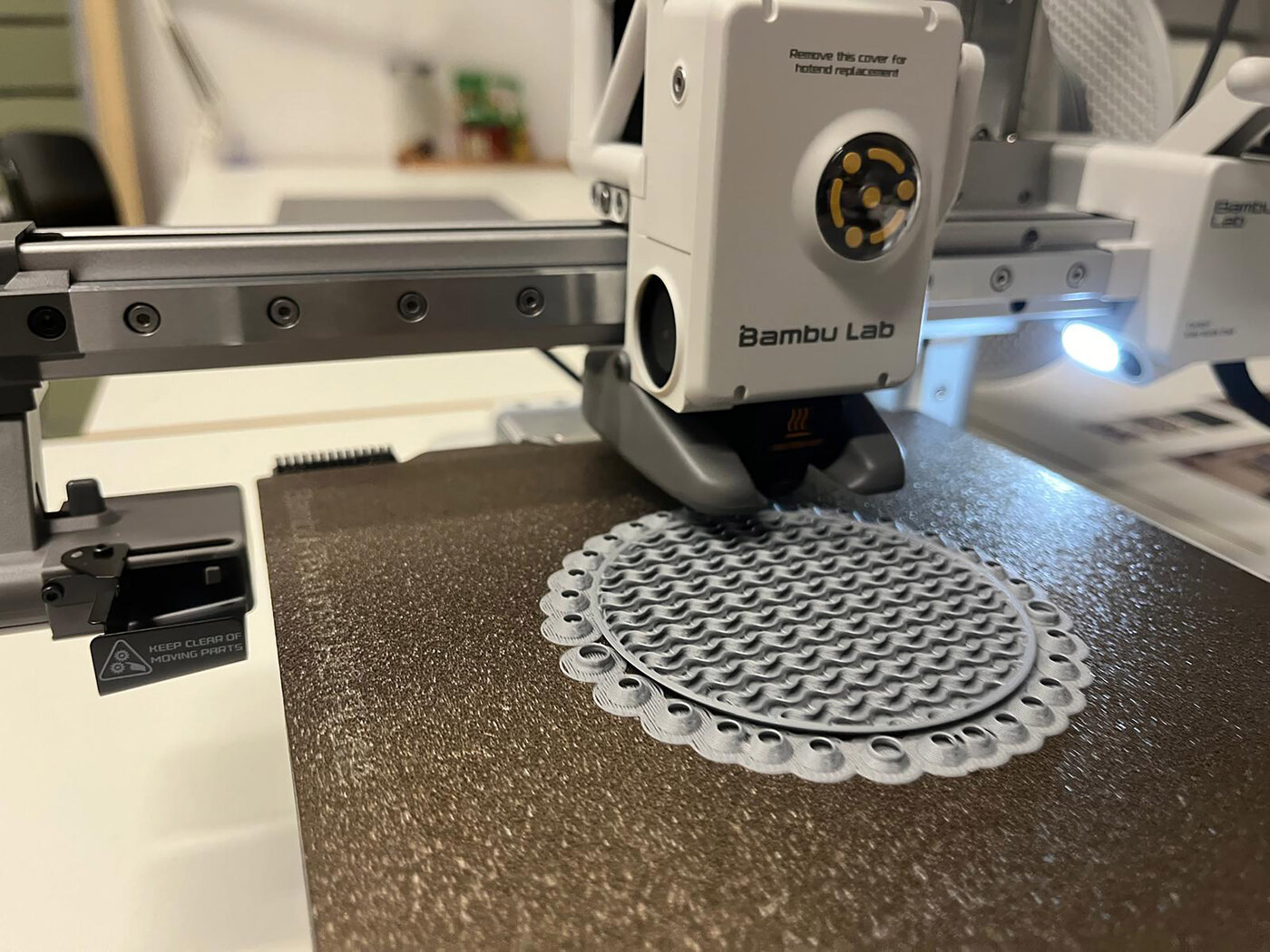
During this intensive week, the focus was on a methodical approach to the design process. A central element was working with variants. For each concept, at least three different versions were to be developed. These variants could differ in aesthetic qualities, structural principles, connection techniques, material concepts, or functional approaches. The aim was to make different solution paths visible and comparable. Another key aspect was the use of models as an integral part of the working process. Models were not intended as final representations of a design but as tools for clarifying open questions. They were meant to help investigate spatial proportions, functional mechanisms, material behavior, or constructive decisions. Real materials, substitute materials, scaled models, improvised mock-ups, or digital models could all be used, provided they generated relevant insights. The targeted and efficient use of tools was also addressed. 3D printing was not used for producing complete objects during this week but primarily for smaller elements such as connectors. Open-source libraries for generative connectors or similar components could be used to save time. The focus lay on the insights gained through the model rather than on technically detailed final solutions. Since the available workshop time was limited, a purposeful working method was required. Basic planning was useful, but without aiming for complete decisions in advance. Models were to be built quickly, tested, and revised. When possible, they were evaluated in their actual context of use, since aspects such as scale, weight, and spatial impact could be assessed more reliably there. Another objective of the week was to define a working title and a clarifying subtitle for each project, summarizing the core idea concisely. This supported conceptual focus and facilitated communication. Supervision was carried out through daily short check-ins, supplemented by the possibility to ask additional questions when needed.