Biotic Boot

Biofabricated shoe made from bacterial cellulose

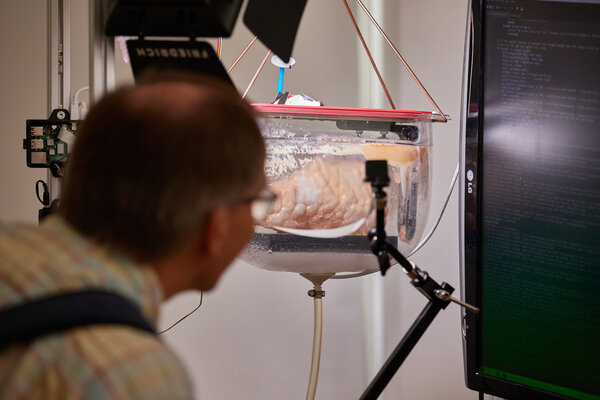
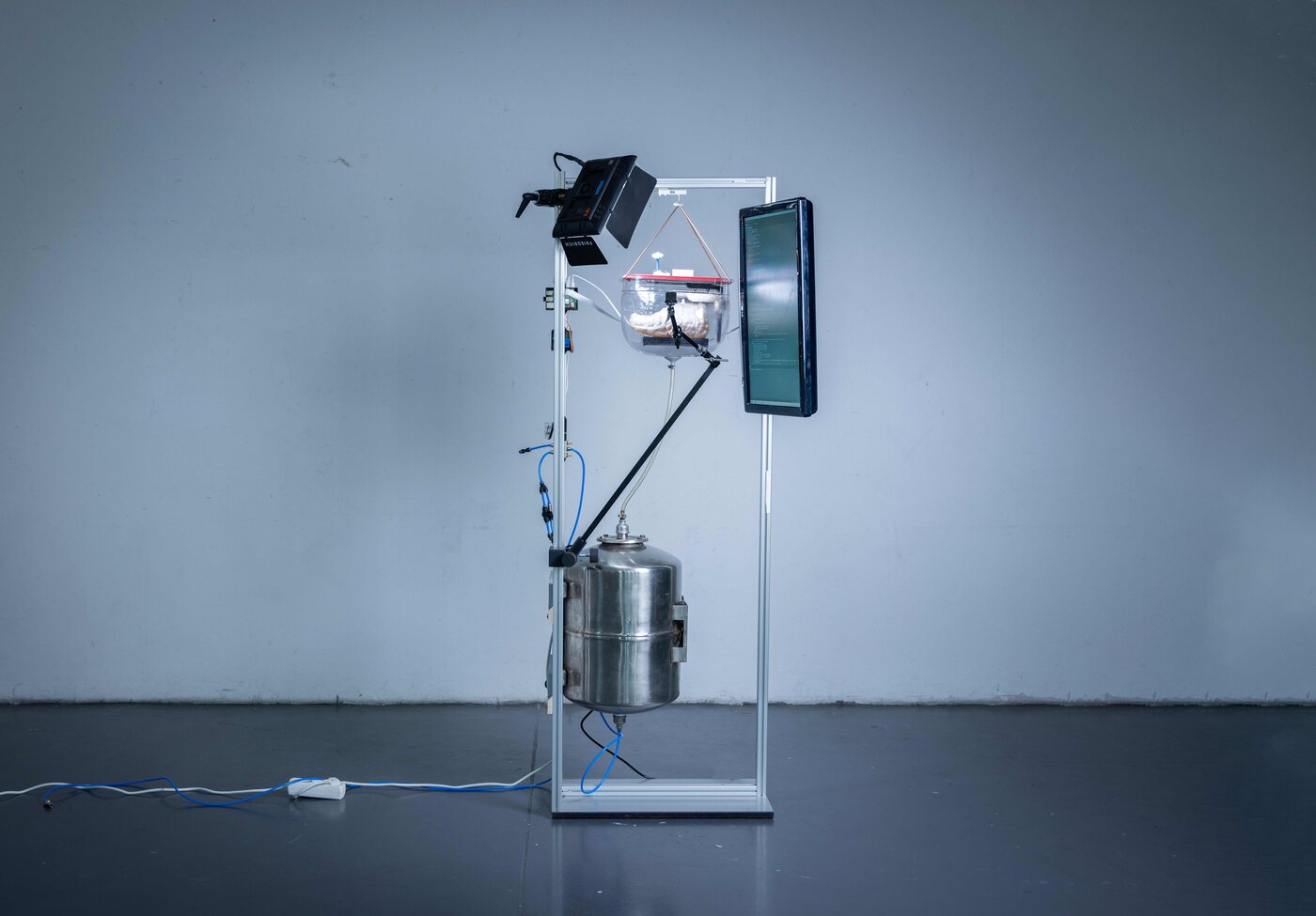
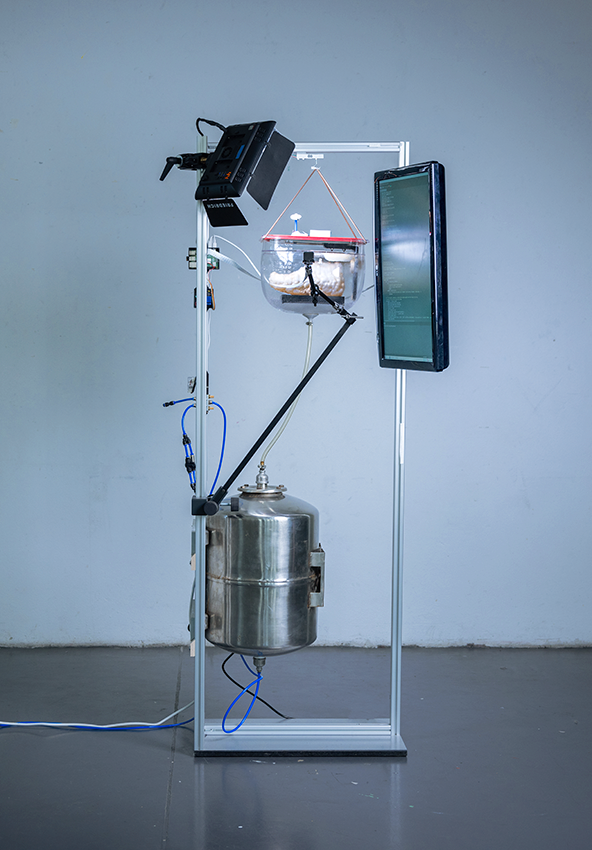
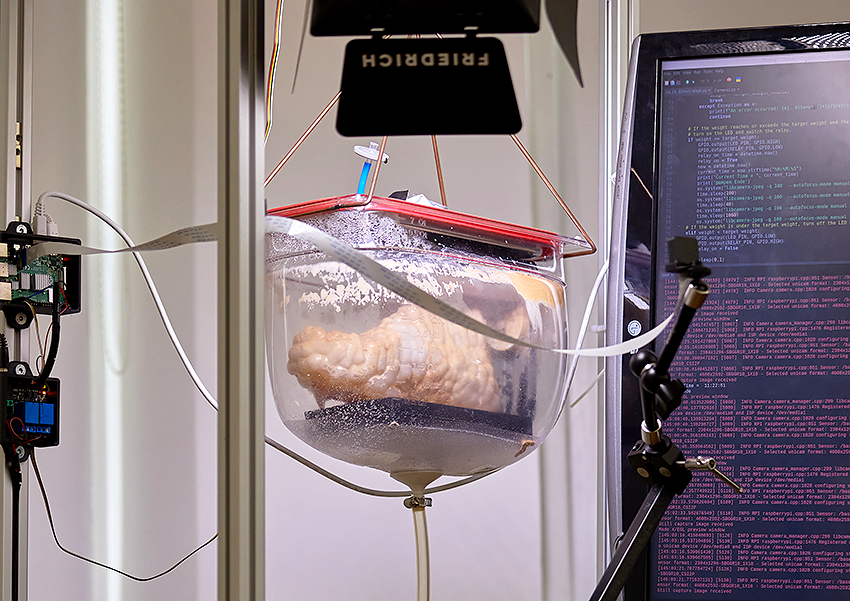
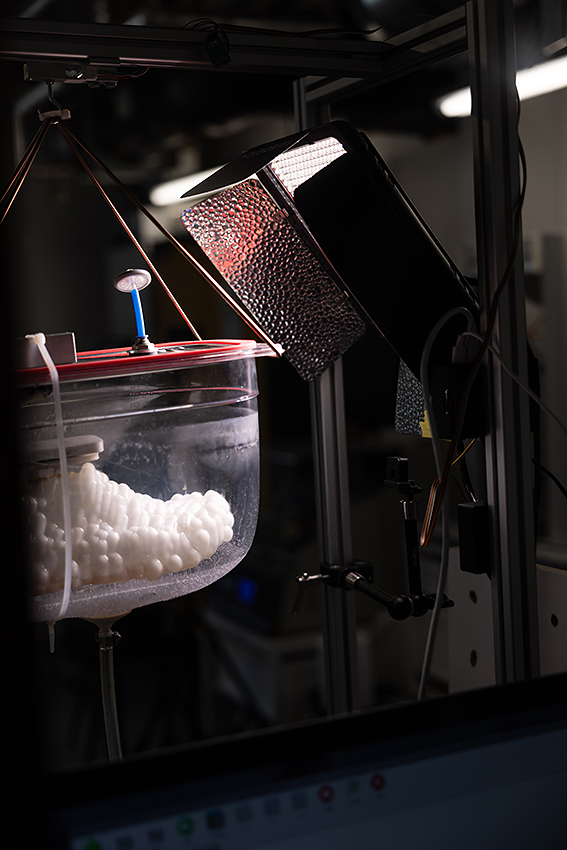
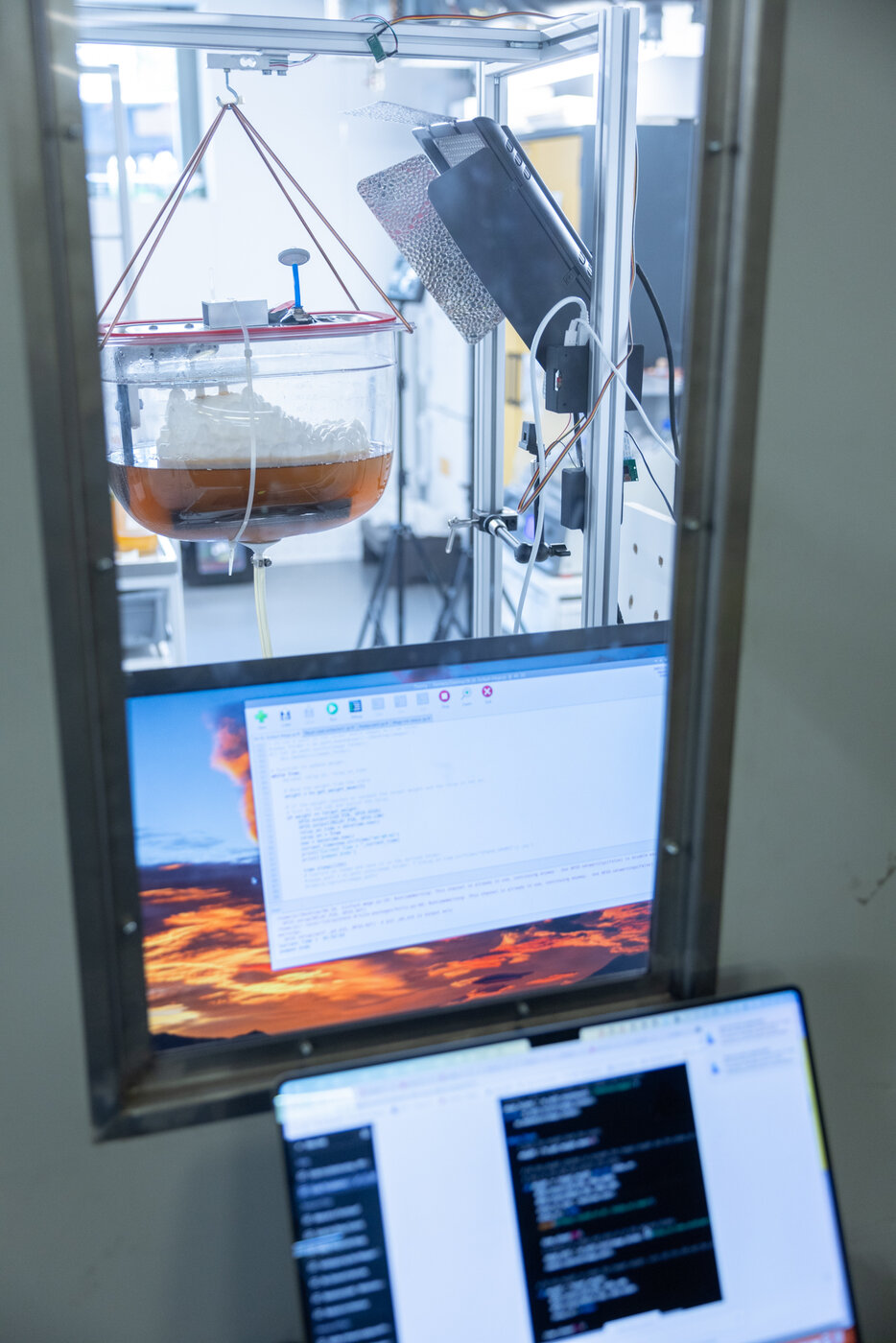
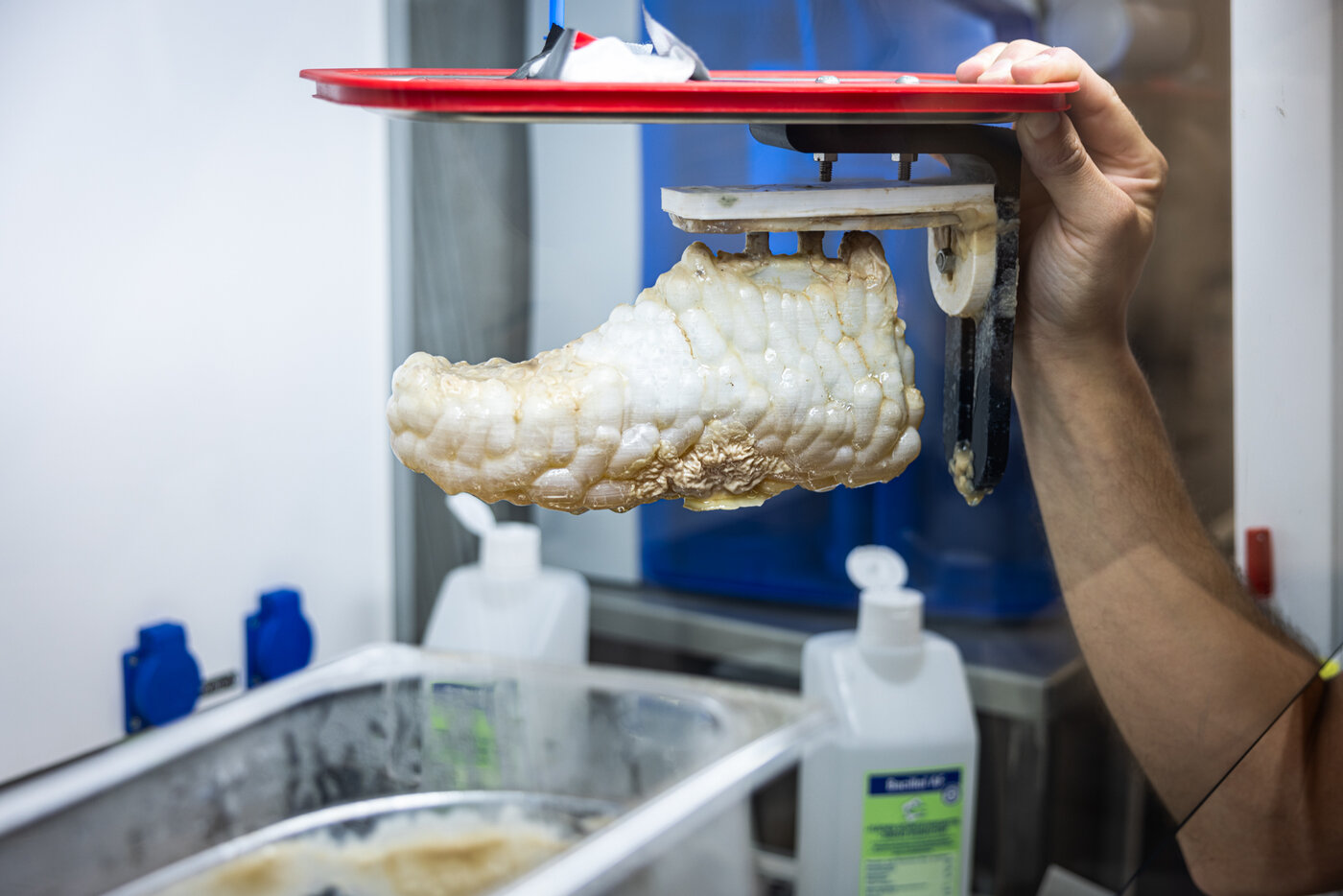
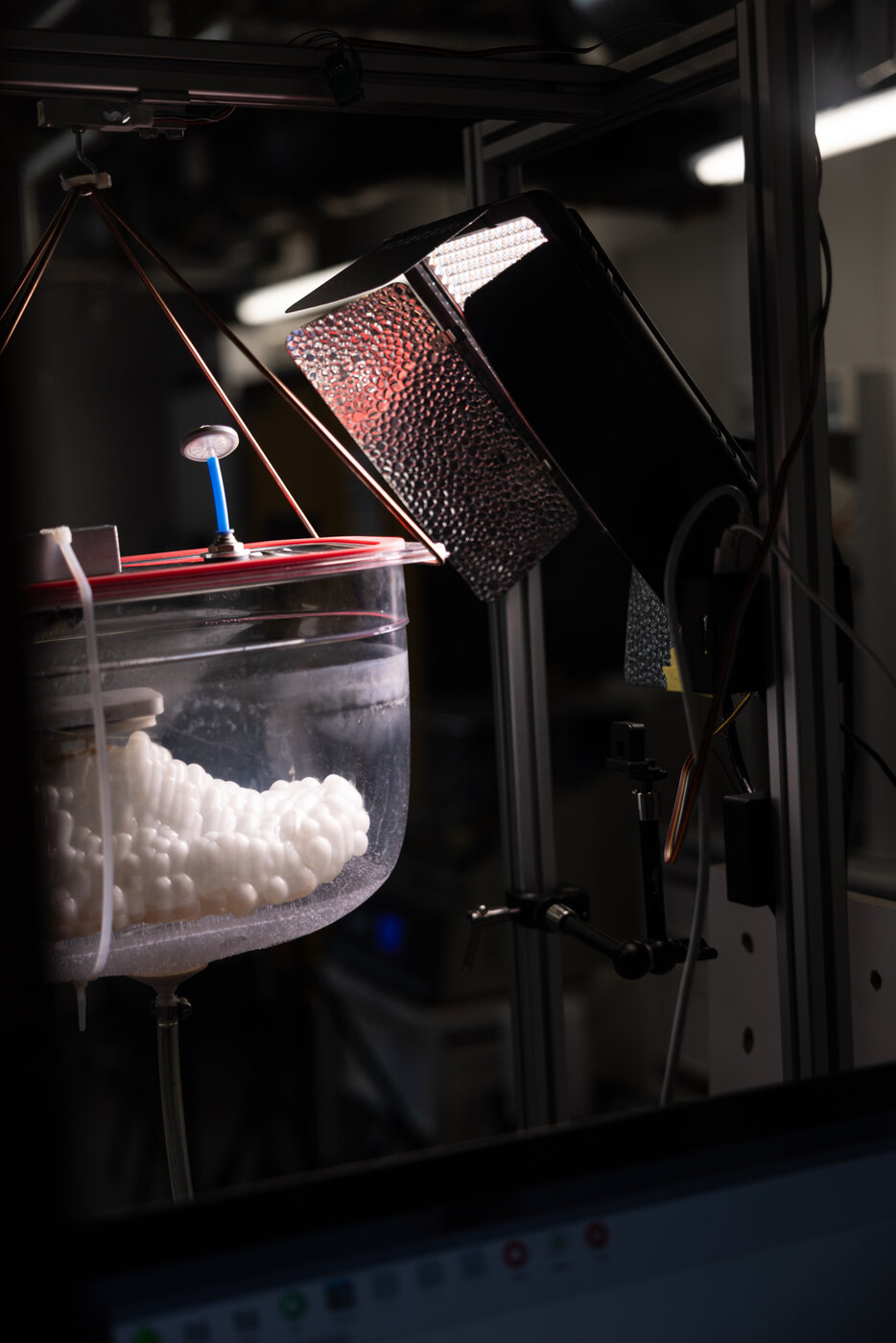
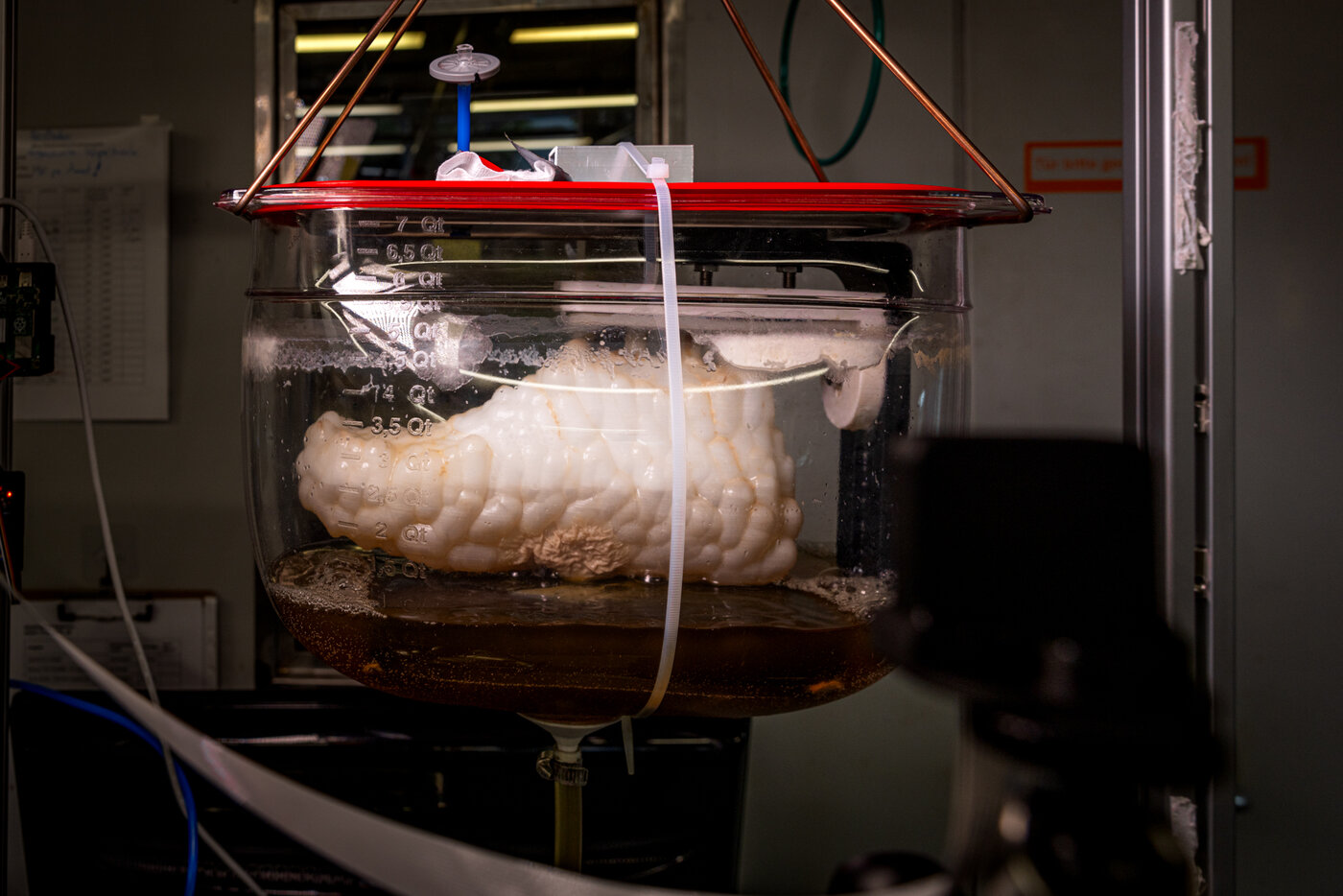
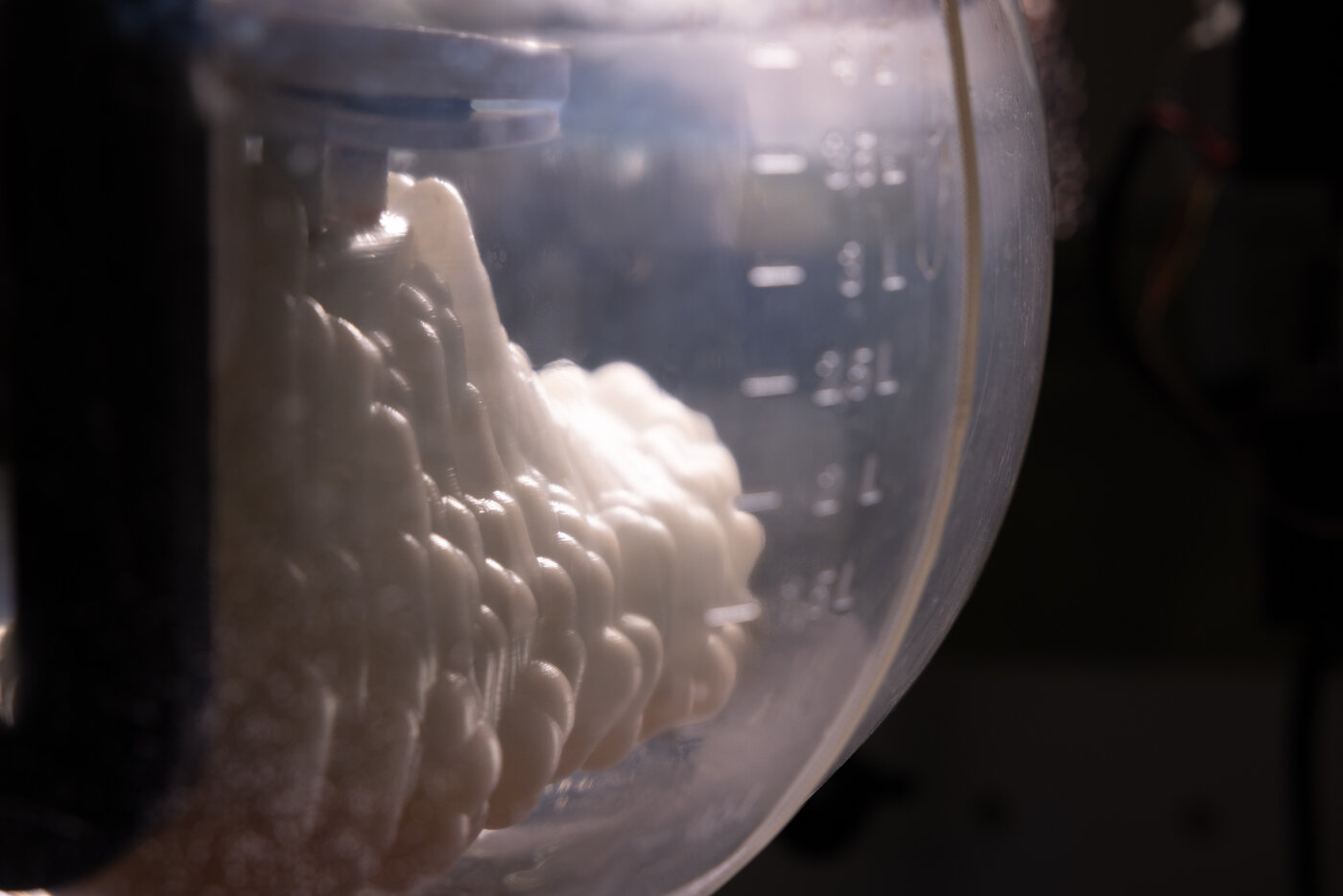
Bakterienzellulose entsteht durch Bakterien, die Zucker in Cellulose umwandeln. Diese Zucker können sie z.B. aus Abfällen der Lebensmittelproduktion gewinnen. Der Prozess findet an der Grenzfläche von Flüssigkeit zu Luft statt, wo sich umfangreiche Schichten bilden, die dann zu einem robusten Lederersatz weiterverarbeitet werden können. Diese Art von Cellulose ist reiner und stabiler als pflanzliche Cellulose. Die Herausforderung in diesem Experiment besteht darin, einen Biofilm 3D wachsen zu lassen. Das ermöglicht, dass gedruckte Formteile umwachsen werden können, was die direkte Erstellung dreidimensionaler Produkte ermöglicht, ohne dass eine spätere Naht oder umfangreiche manuelle Nachbearbeitung erforderlich ist. Als exemplarisches Objekt dient ein Schuh, oft Resultat von stundenlanger Handarbeit und damit ein ideales Testobjekt. Eine spezielle Maschine befeuchtet alle 20 Minuten steril die Oberfläche der Form, so dass die Bakterien dort ihren Biofilm auf einer 3D-Oberfläche bilden können.
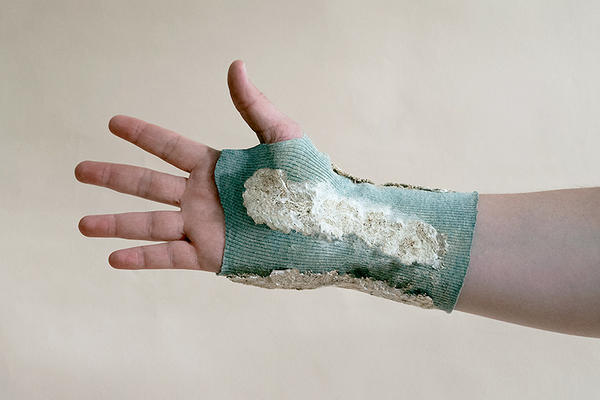
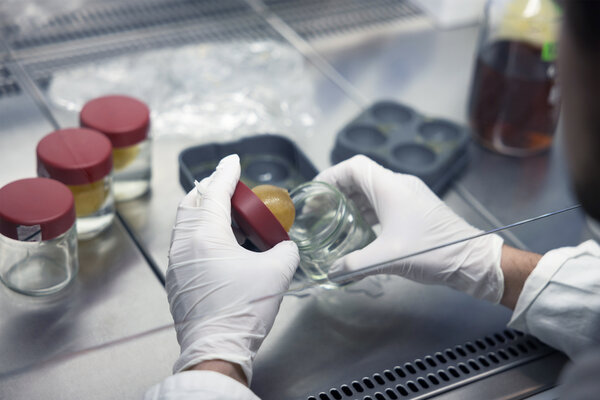
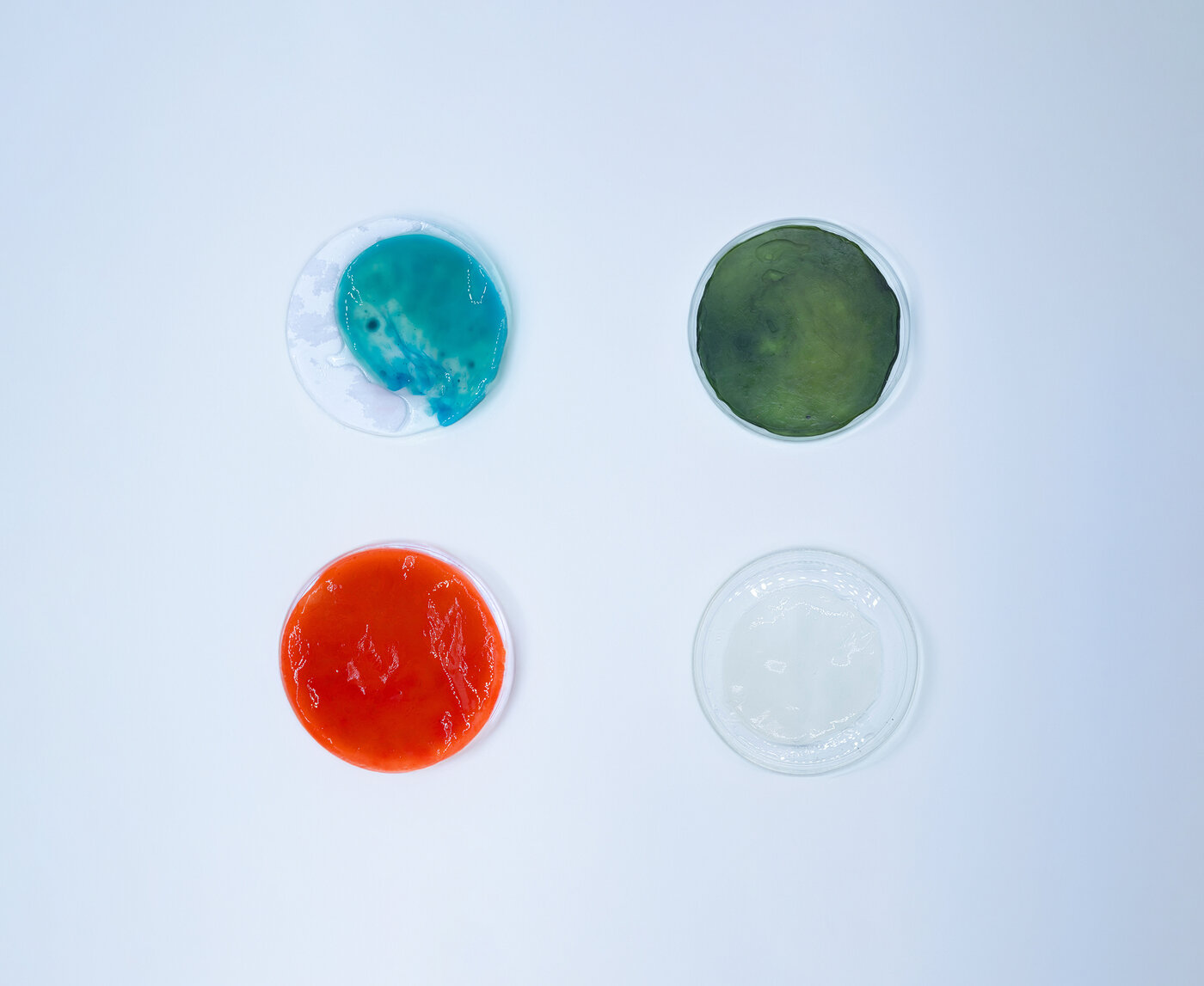
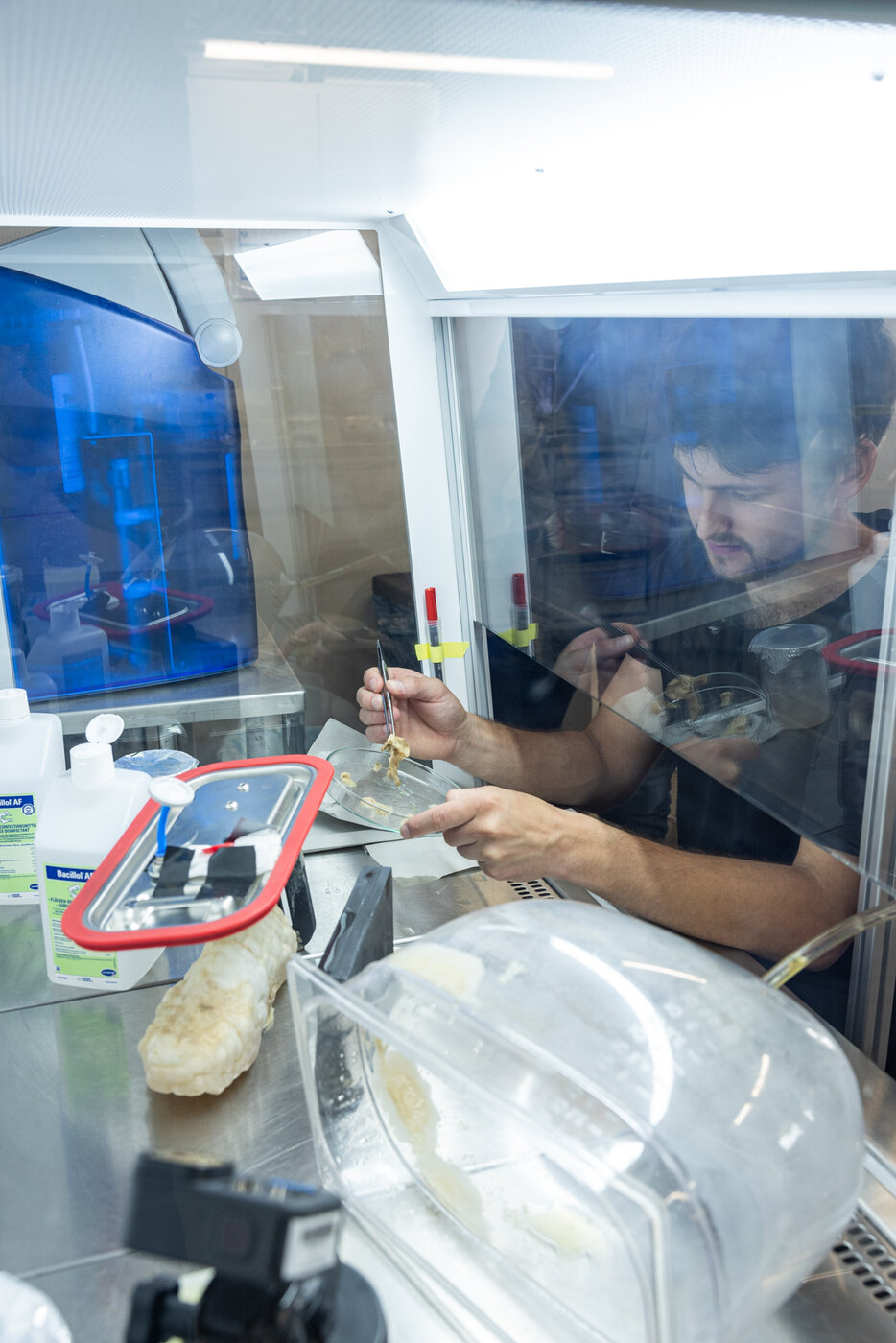
Throughout the project, numerous methods for producing bacterial cellulose have been explored. Techniques ranged from using Kombucha and Mycoderma aceti to simply employing a pure culture of bacteria. A variety of production techniques were explored, encompassing static cultivation, dynamic cultivation, and cultivation of bacteria on oxygen-exchange membranes. Moreover, experiments have been conducted to assess the capability of growth on diverse media, such as fruit-based mediums or dyeing the bacterial cellulose during growth to produce different colors.

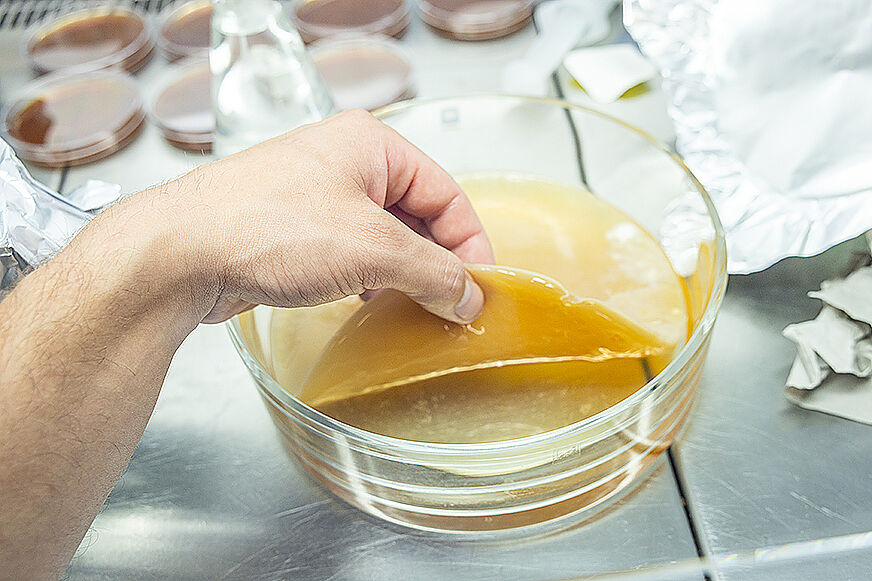
Bacterial cellulose is produced by bacteria that convert sugar into cellulose. This sugar can be sourced from waste generated in food production, for example. The process occurs at the interface between liquid and air, where extensive layers form. These layers can then be further processed into a durable leather substitute. This type of cellulose is purer and often more stable than plant-based cellulose.

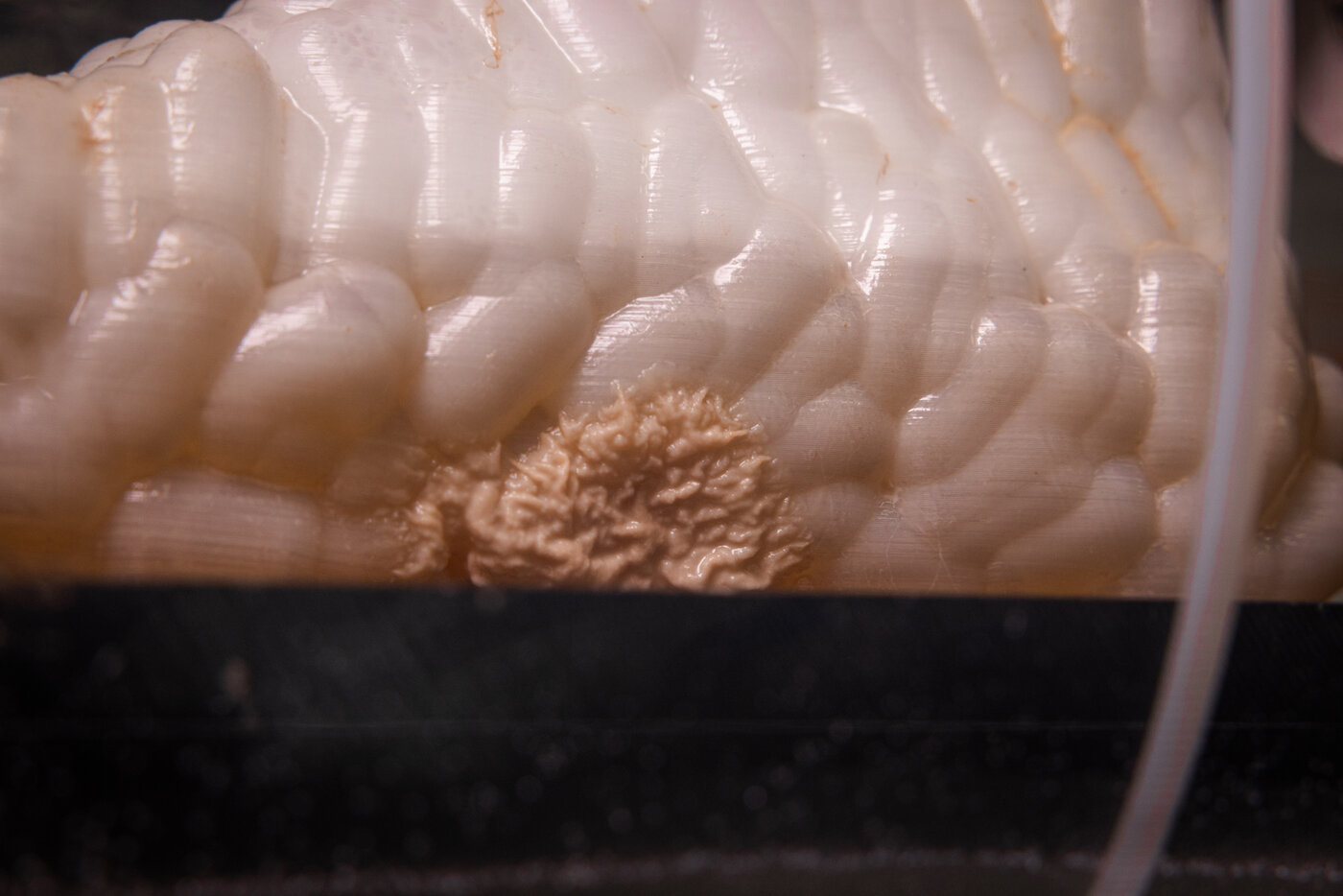
The challenge in the final experiment is to cultivate a three-dimensional biofilm. This method has the benefit of being able to cover additively produced parts, facilitating the direct creation of three-dimensional products, without the necessity for sewing or extensive manual post- processing. A shoe was chosen as a demonstrative object for this procedure, considering shoes typically necessitate hours of manual labor, thus making them an optimal testing subject. To achieve this, a specialized machine setup has been developed, which moistens the surface of the shoe mold every 20 minutes for several days. This procedure allows the bacteria to settle there and grow their biofilm on a three-dimensional surface, thanks to the regular supply of nutrients.