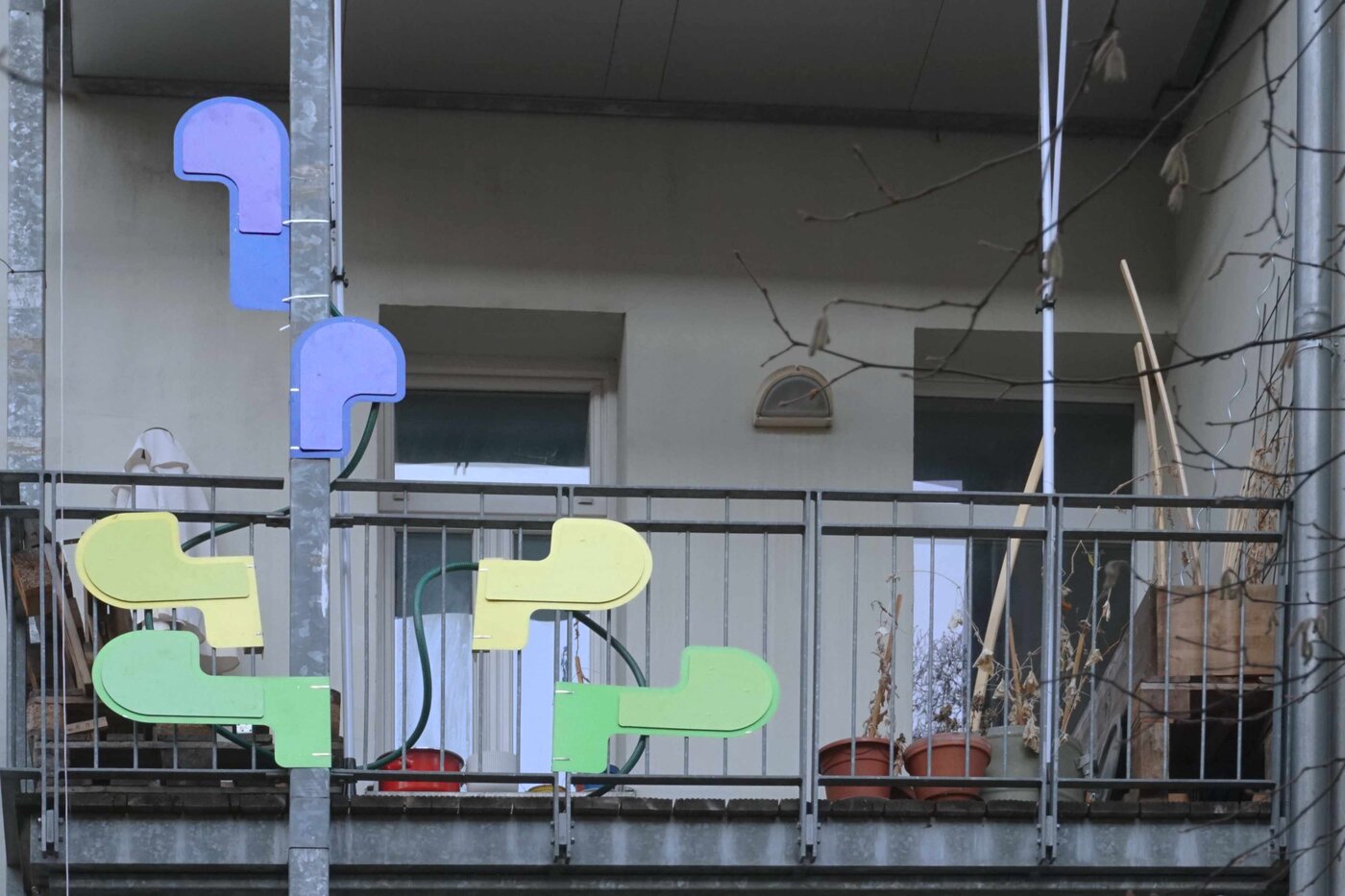
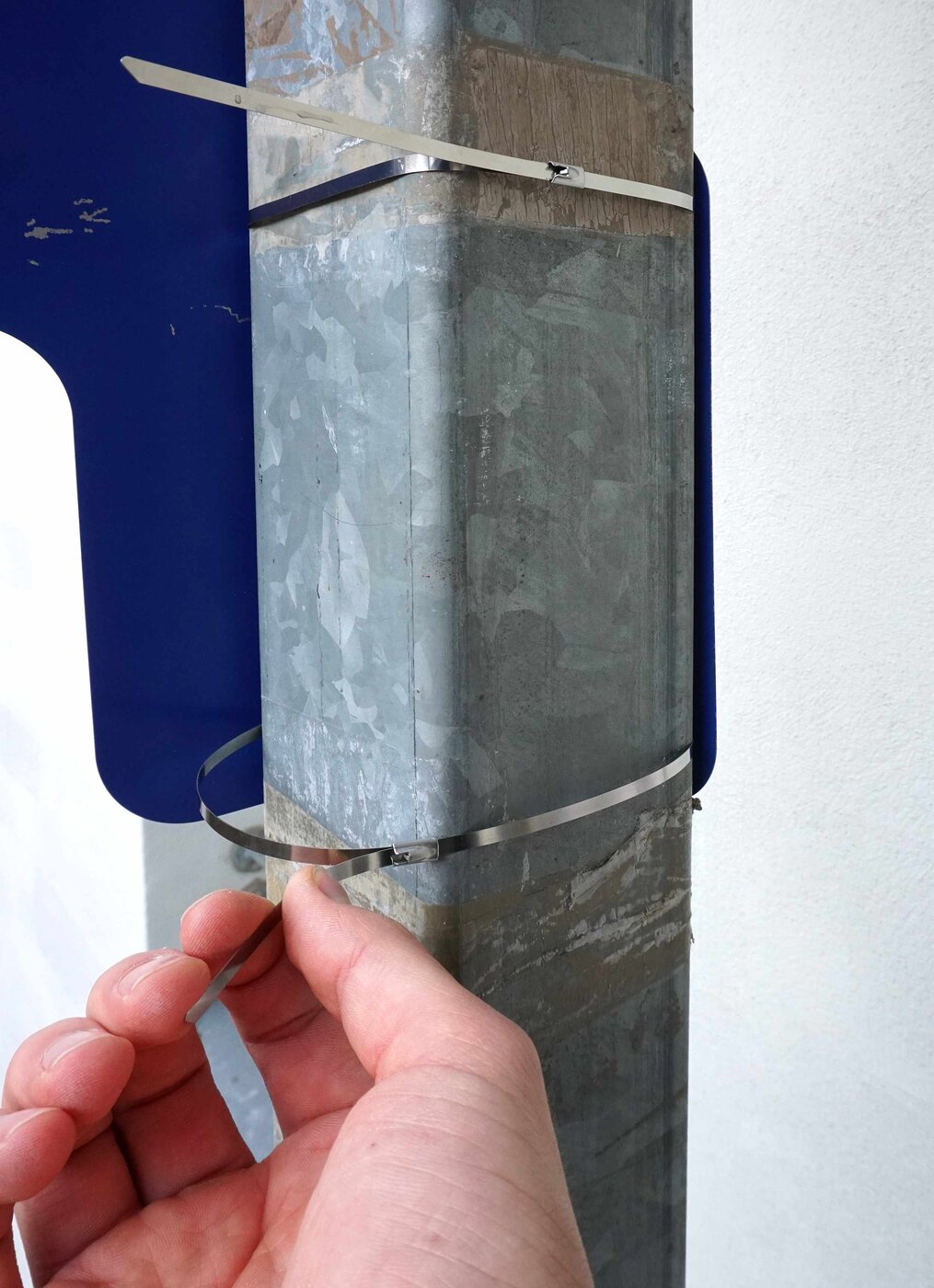
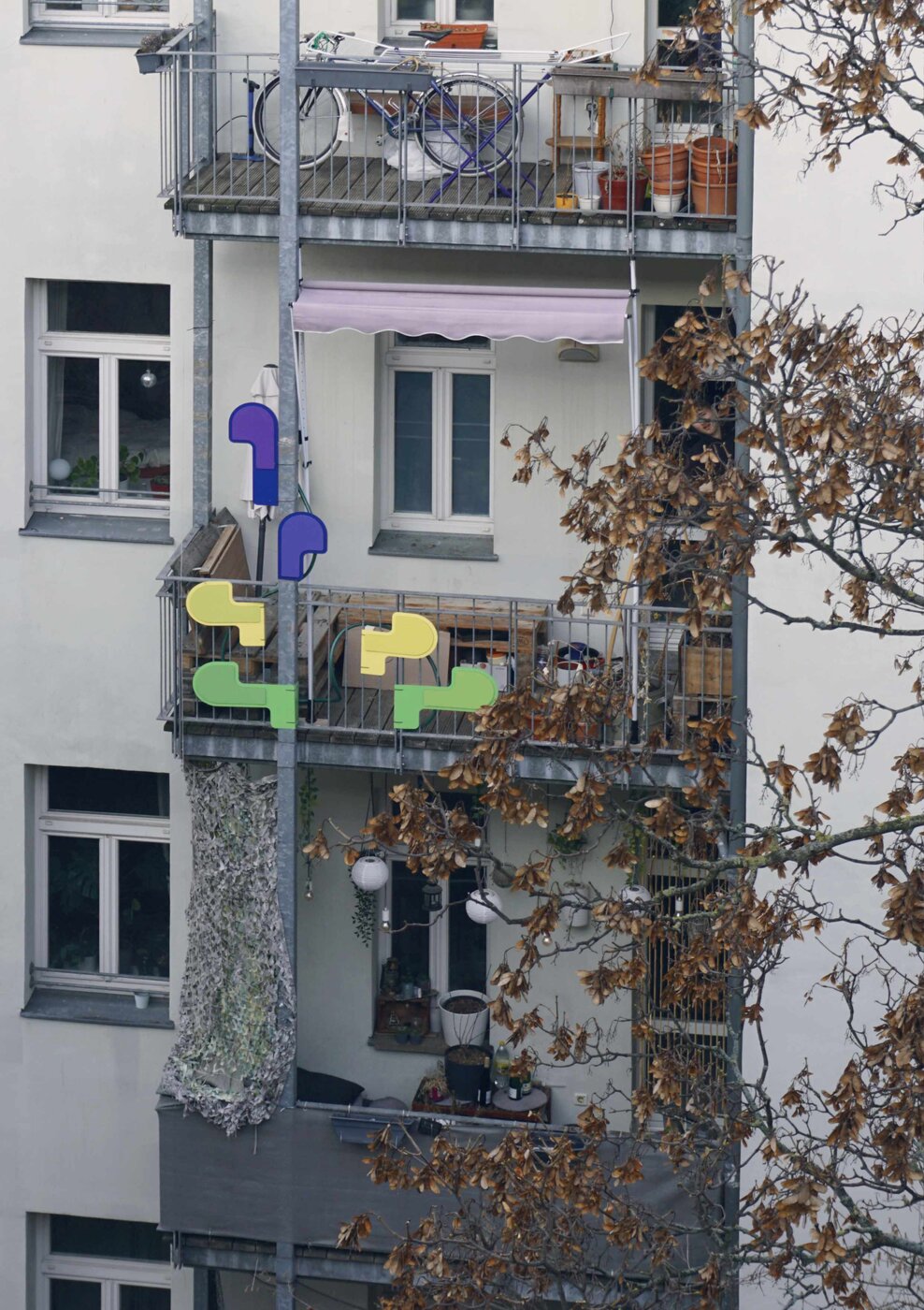
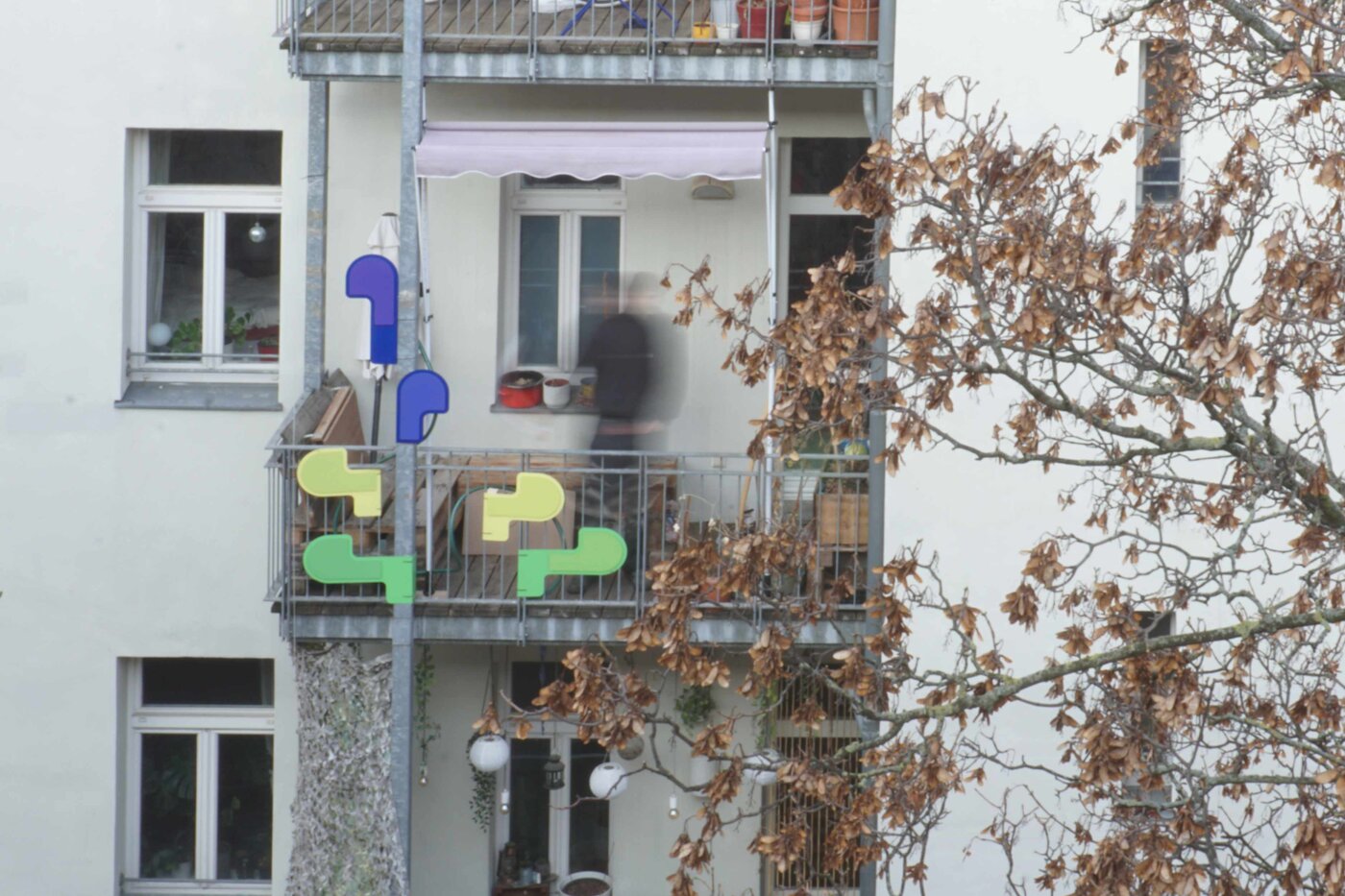
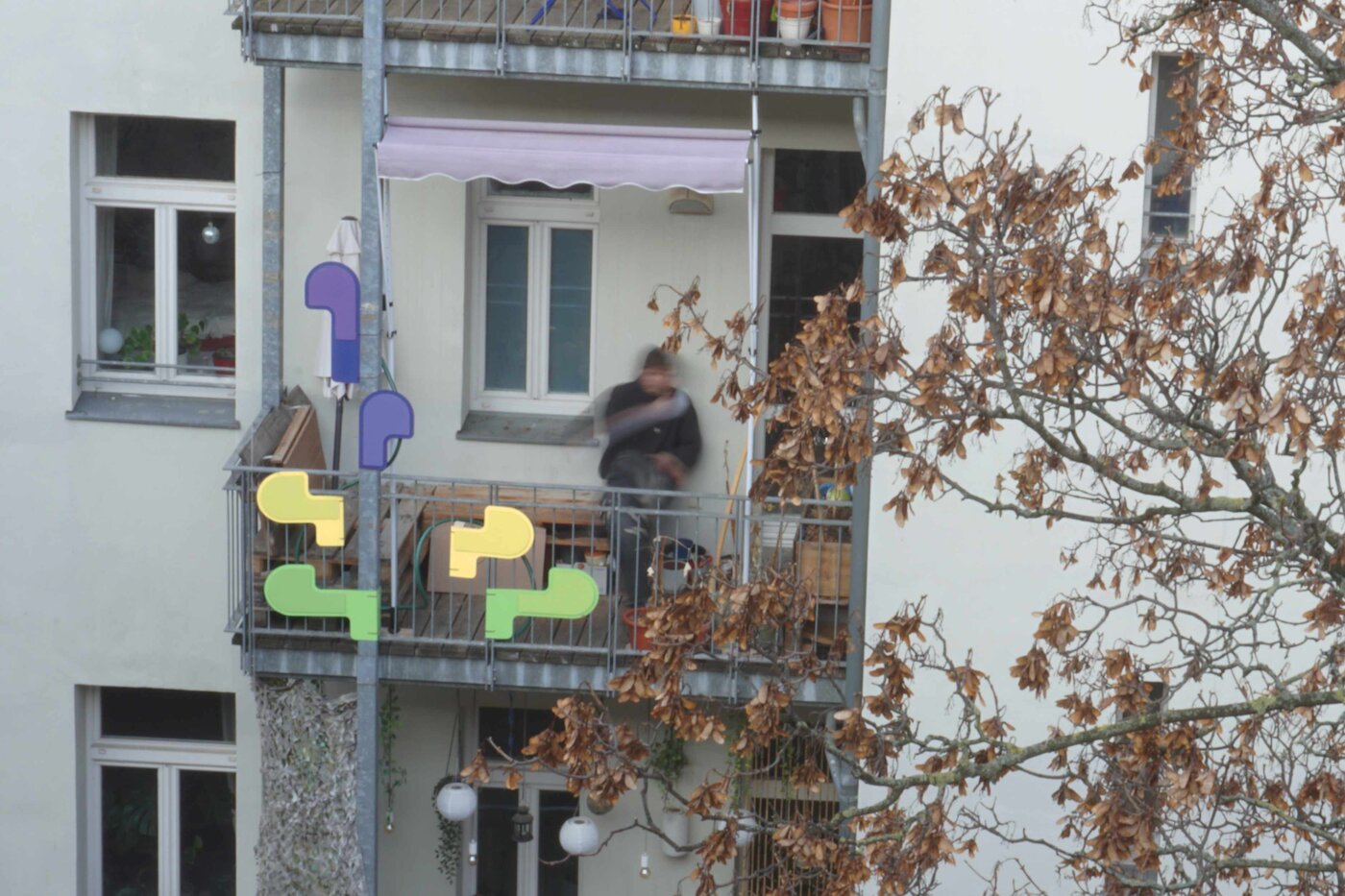
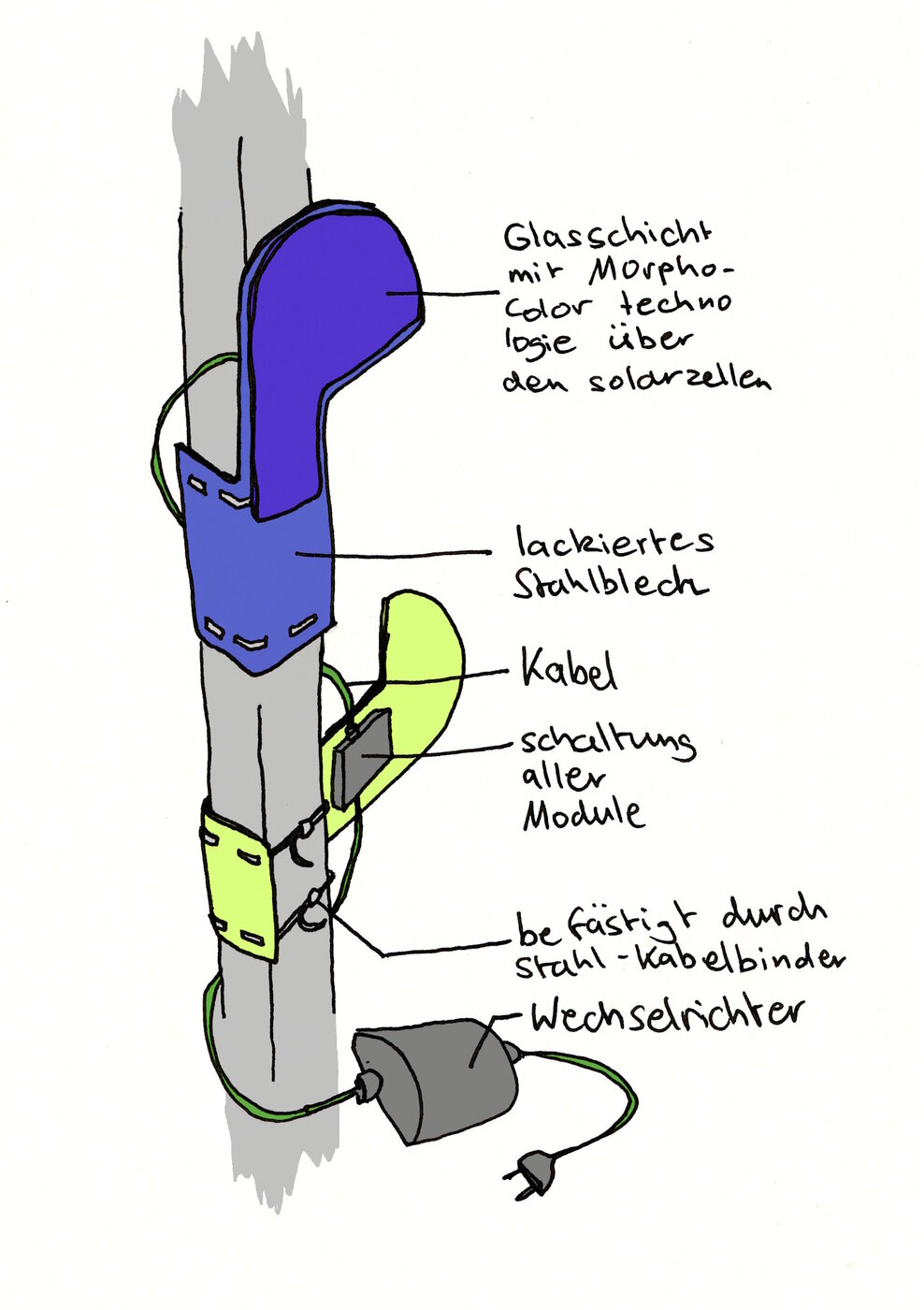
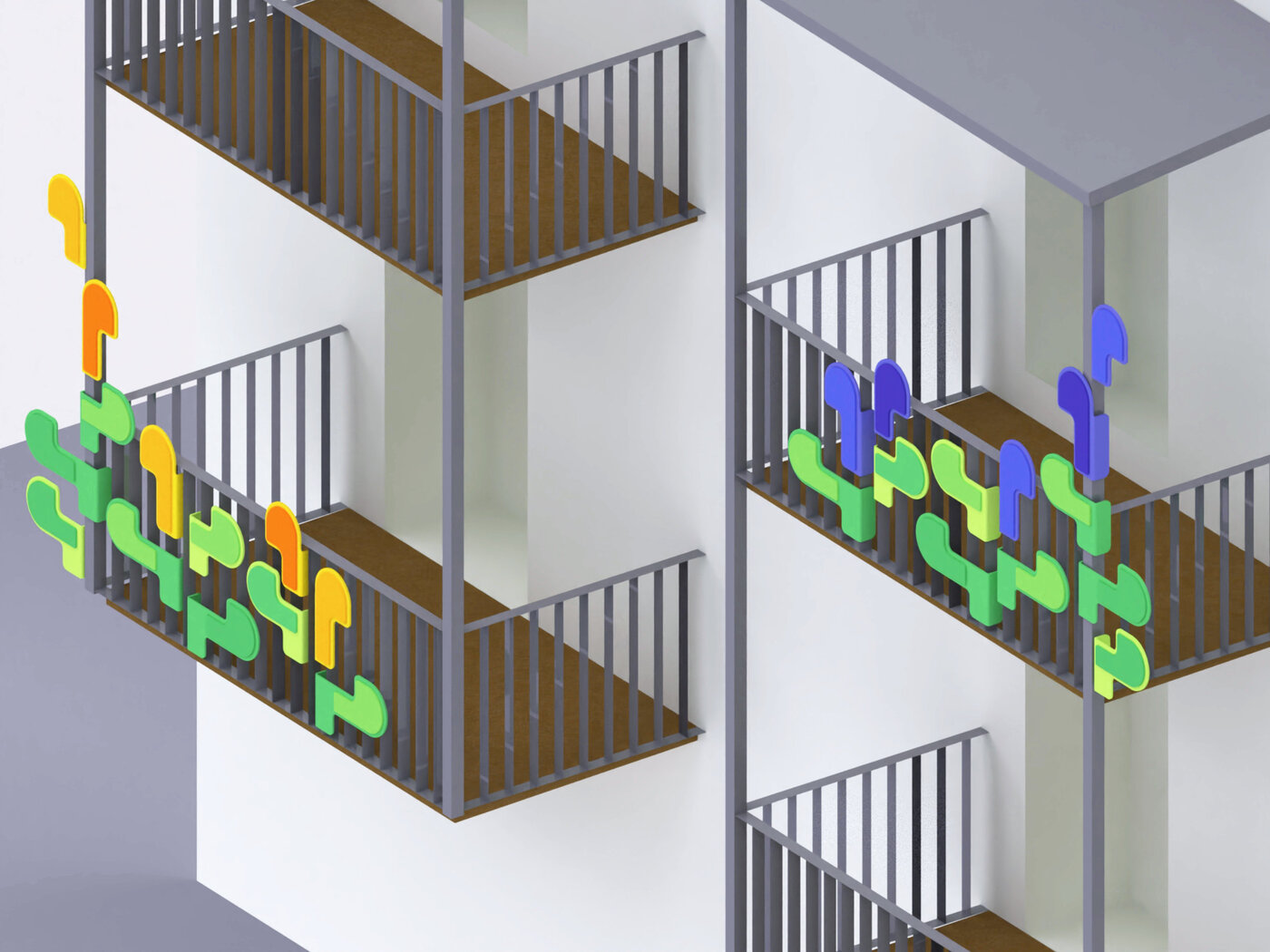
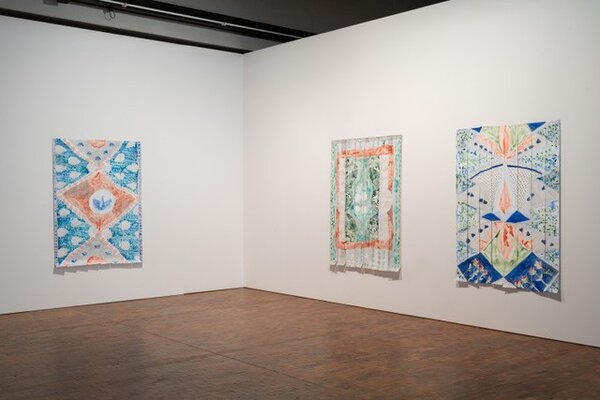
The project FlowerPower was developed within the industrial design project 800 Watt, which explores sustainable energy solutions and new design perspectives on solar technology. After initial assignments involving research on sustainability methods, companies, and potential urban locations for solar modules, my entry into the project was somewhat difficult. Due to illness, I missed several excursions, including technical insights at the Fraunhofer Institute and artistic inspiration in Bonn. As a result, I had to catch up independently and clarify basic questions, such as the difference between a solar cell and a solar module. Nevertheless, the shared ideation process with fellow students proved to be valuable. The exchange of different viewpoints and the freedom to think in many directions – from architectural concepts to unconventional ideas like a solar folding chair – helped activate creative processes. When the project moved into its next phase, students formed groups to continue developing ideas. Since none of my ideas fully convinced me, I decided to work alone at first in order to experiment more freelycoming to regret this decision later whenever I would need a helping hand for example with the installation of my Projekt. This was followed by an intensive phase of experimentation with paper, folding techniques, and pop-up structures. Central questions were where to place active surfaces and what advantages certain forms might offer. I faced a key decision: Should I first define a specific function and derive the form from it, or should I begin with a visual goal and then determine an appropriate function? I deliberately chose the second, more challenging approach. It took me a while, but I finally found what my visual goal was going to be. My visual goal was to create an object that conveys the warm and cheerful impression of a flower. The underlying idea is that solar modules and plants are similar: both generate energy from sunlight. I wanted to express this connection through design. This became the foundation of FlowerPower. The idea of creating floral structures opened up a wide range of design possibilities. One variation explored the use of many colored squares to create the visual impression of a sea of flowers spreading across a balcony. Ultimately, however, I chose a more reduced and symbolic representation of a single flower. FlowerPower makes use of the remarkable human ability to recognize familiar patterns even within simple geometric forms, as long as they are arranged clearly and combined with appropriate colors. Through this conscious reduction, a motif emerges that is both abstract and easily readable, subtly conveying a floral association.
[1] MorphoColor: https://www.ise.fraunhofer.de/de/presse-und-medien/presseinformationen/2024/fraunhofer-ise-forscher-gewinnen-joseph-von-fraunhofer-preis-fuer-die-morphocolor-beschichtungstechnologie.html