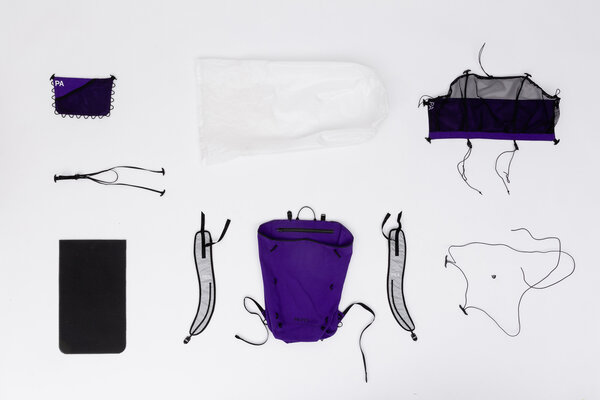
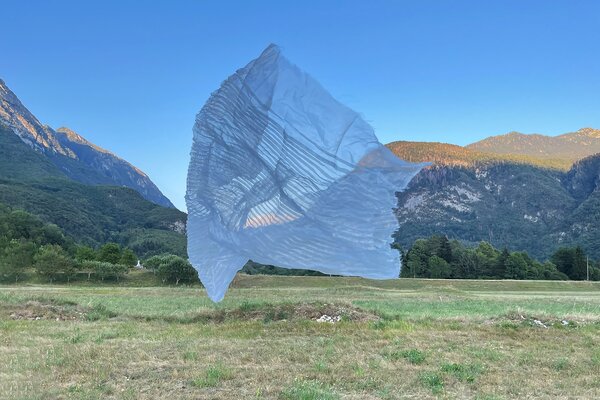
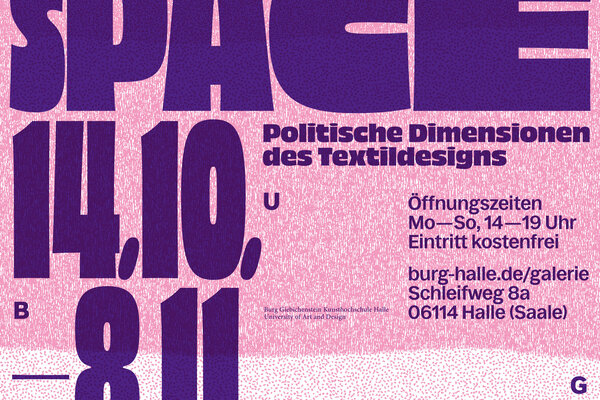
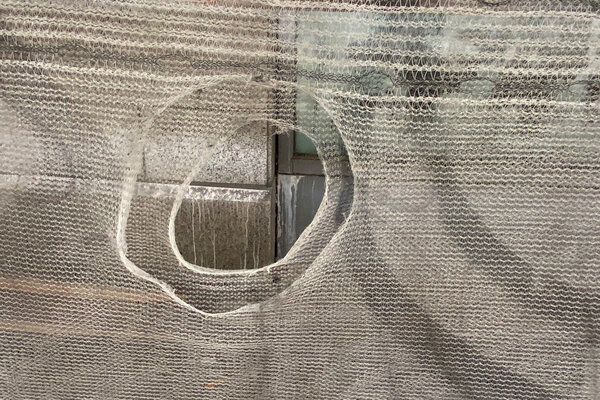
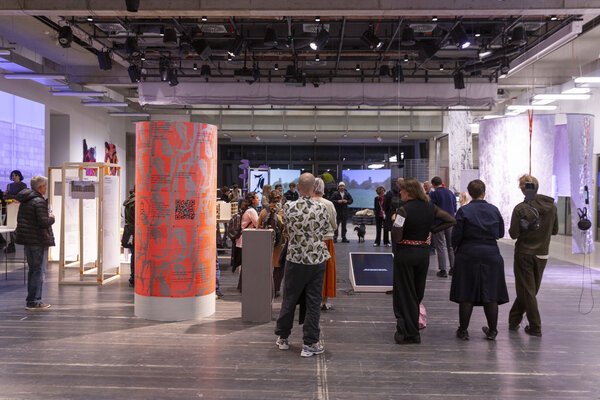
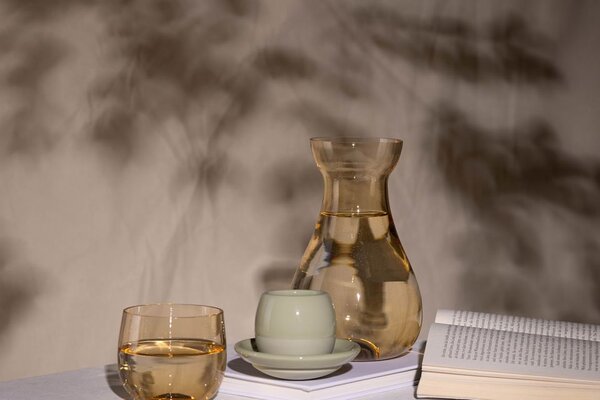
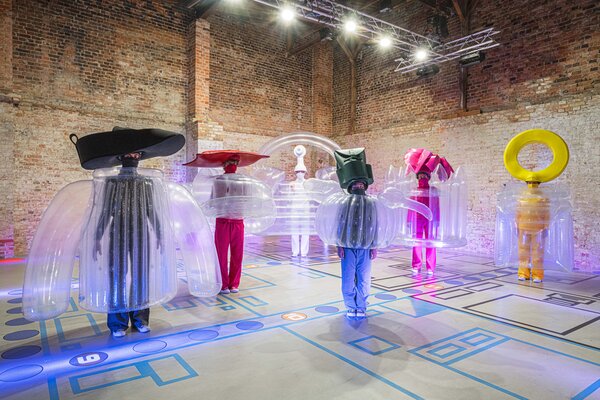
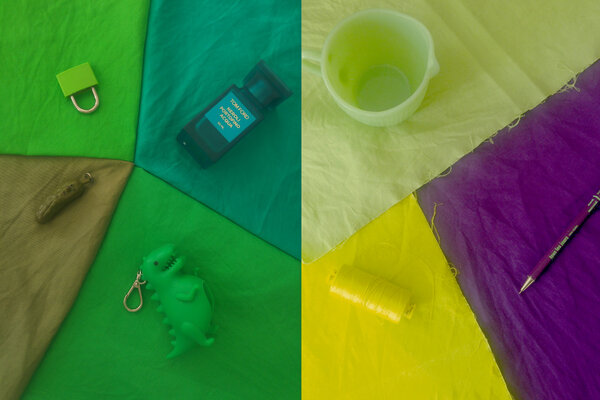
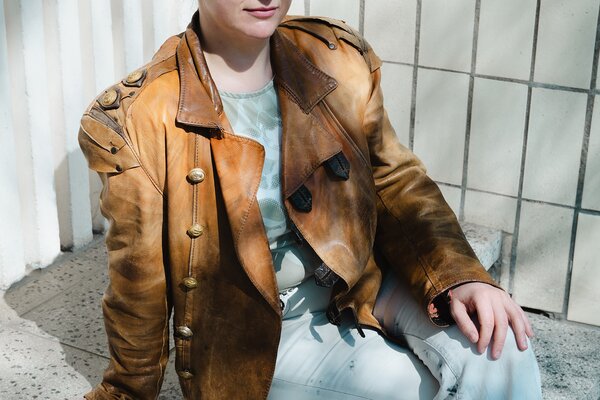
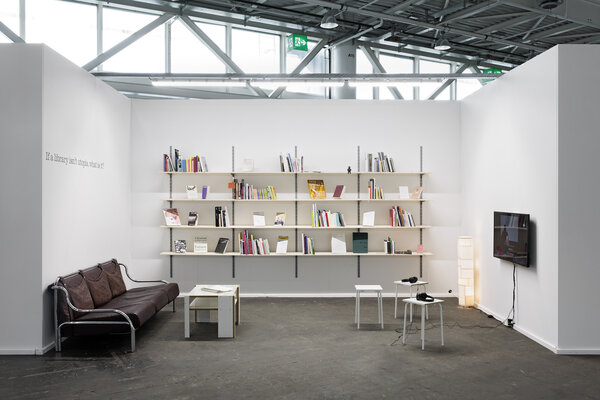
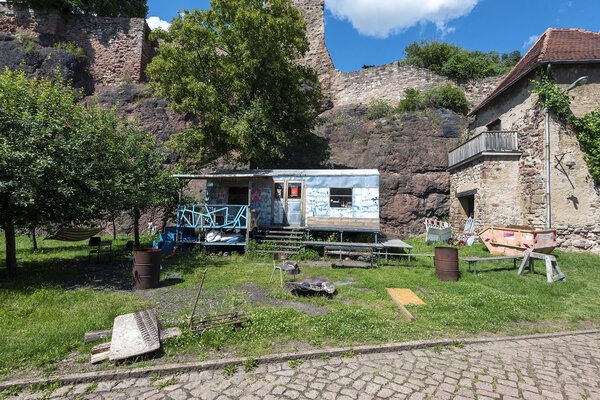
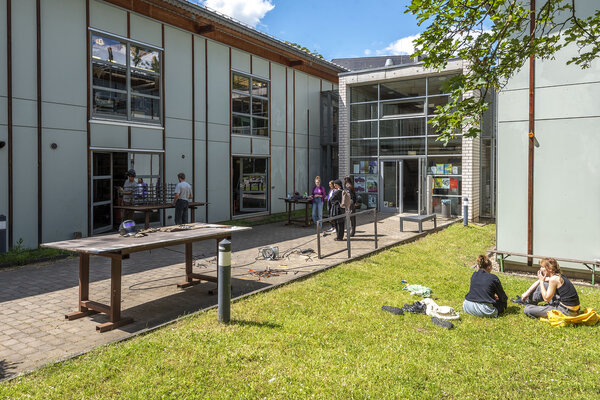
Our entire everyday life consists of three-dimensionality, of matter that can be perceived by the senses. Our bodies, our clothes, our morning cup of coffee, the front door and everything that happens to us every day until we finally climb back into the cosy, soft, warm feathers of our bed in the evening. We need mass and space like we need air to breathe. They are mutually dependent. Since the Stone Age, we humans have been consciously designing things and spaces. Our everyday lives are shaped by designed objects; we shape them and they shape us. We move between them and travel with them through space and time.
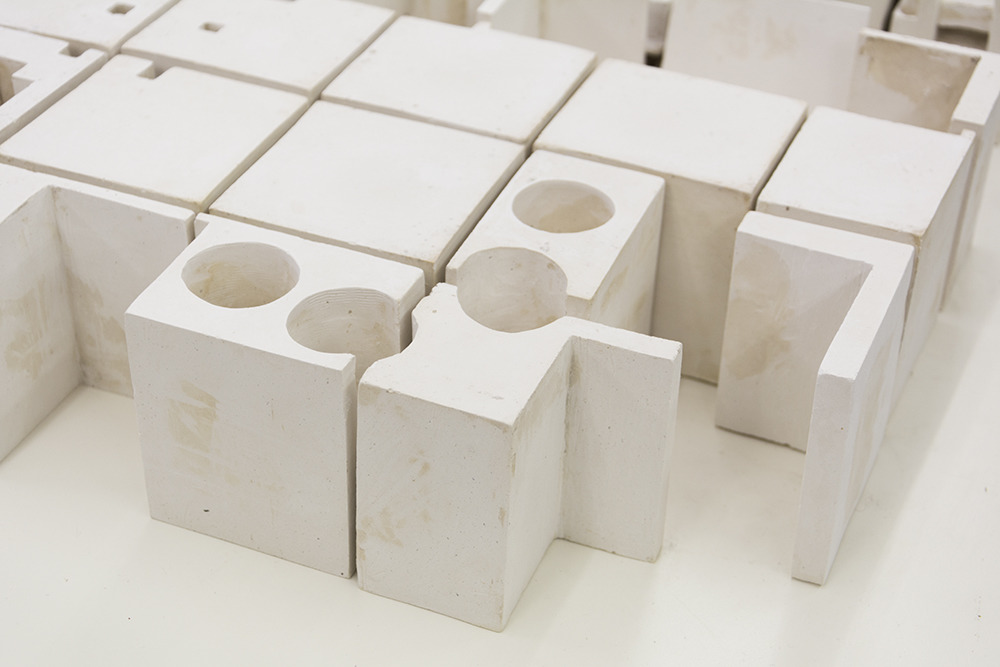
Exhibition
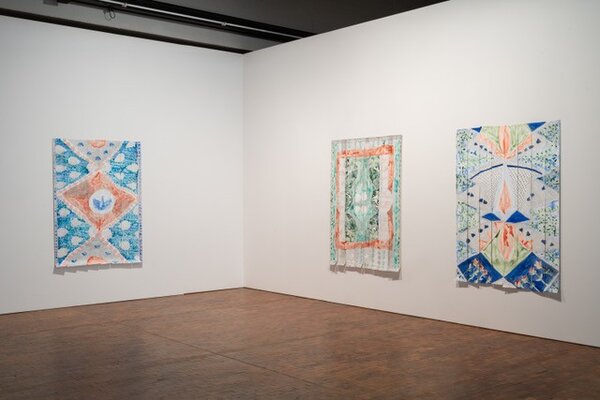
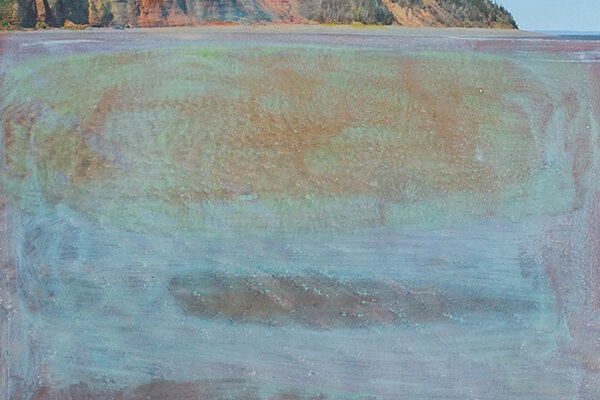
„Die Flut aus meiner Hand“