Which opportunities emerge for the design process when microorganisms become constitutive components of materials, enabling them to adapt to a wide variety of environmental situations?
Lichens are a high developed form of symbiosis between mycelium and photosynthetic organisms. The fungi, which are not capable of photosynthesis themselves, are supplied with organic matter by algae. In return, the mycelium supports and stabilizes the algae with its tissue and gives the whole lichen a foothold on its substrate. The structural design of this mutualistic relationship between several organisms could be described as a living system, a good example for our interpretation of what a living, adaptive material is.
The properties we ascribe to a living material, or the foundation of our understanding of a living material system, derive from the Concepts of Autopoiesis and Sympoiesis.
Autopoiesis describes the process of self-creation and self-maintenance of a system. Applied to our layer system, we could refer to it as an autopoietic system where new material is created and maintained merely from the interaction between the layers. An extension of autopoiesis, which emphasises the "with each other" and thus includes us as designers in the process, is the term sympoiesis. It stands for complex, responsive and dynamic systems.
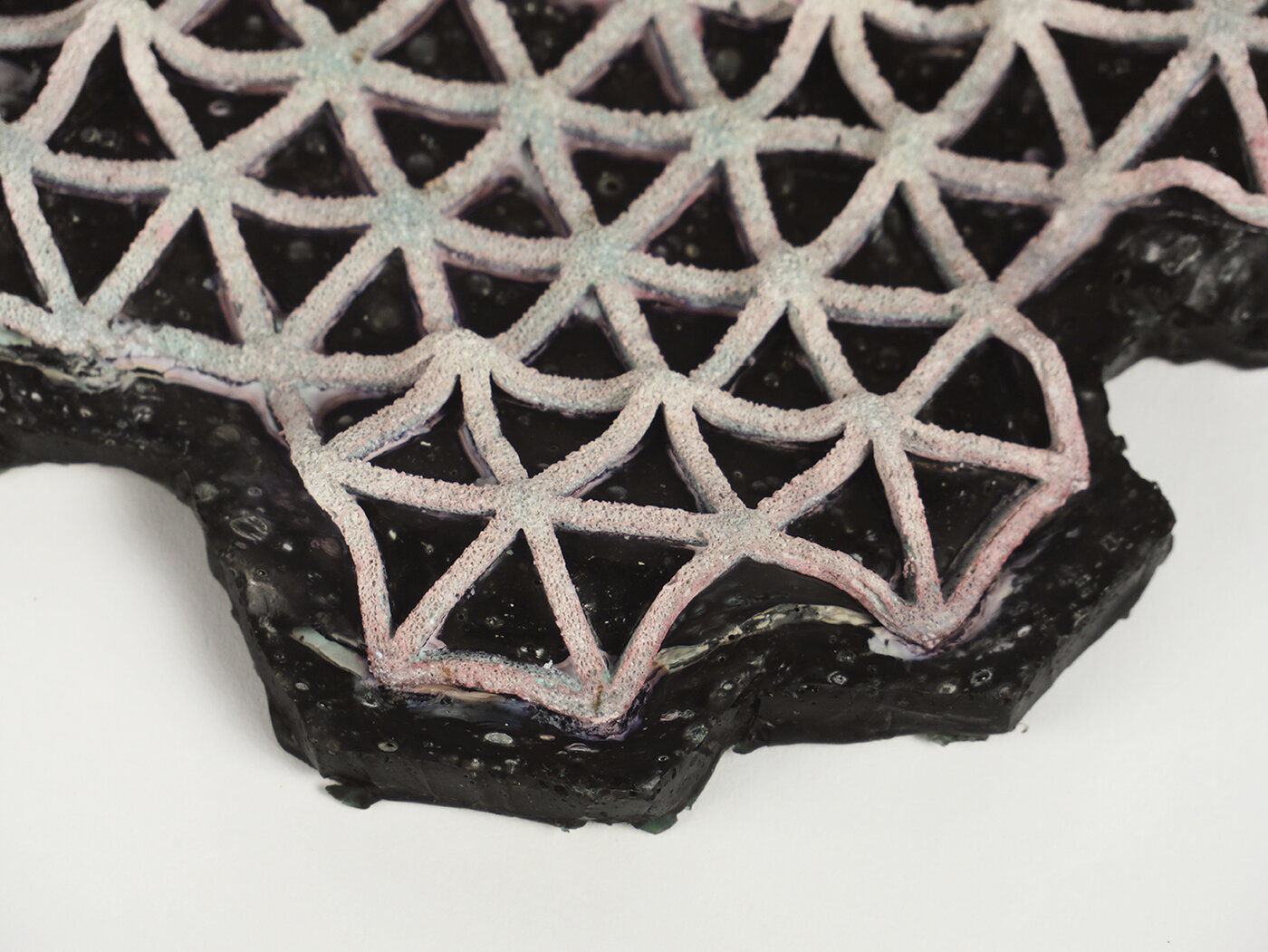
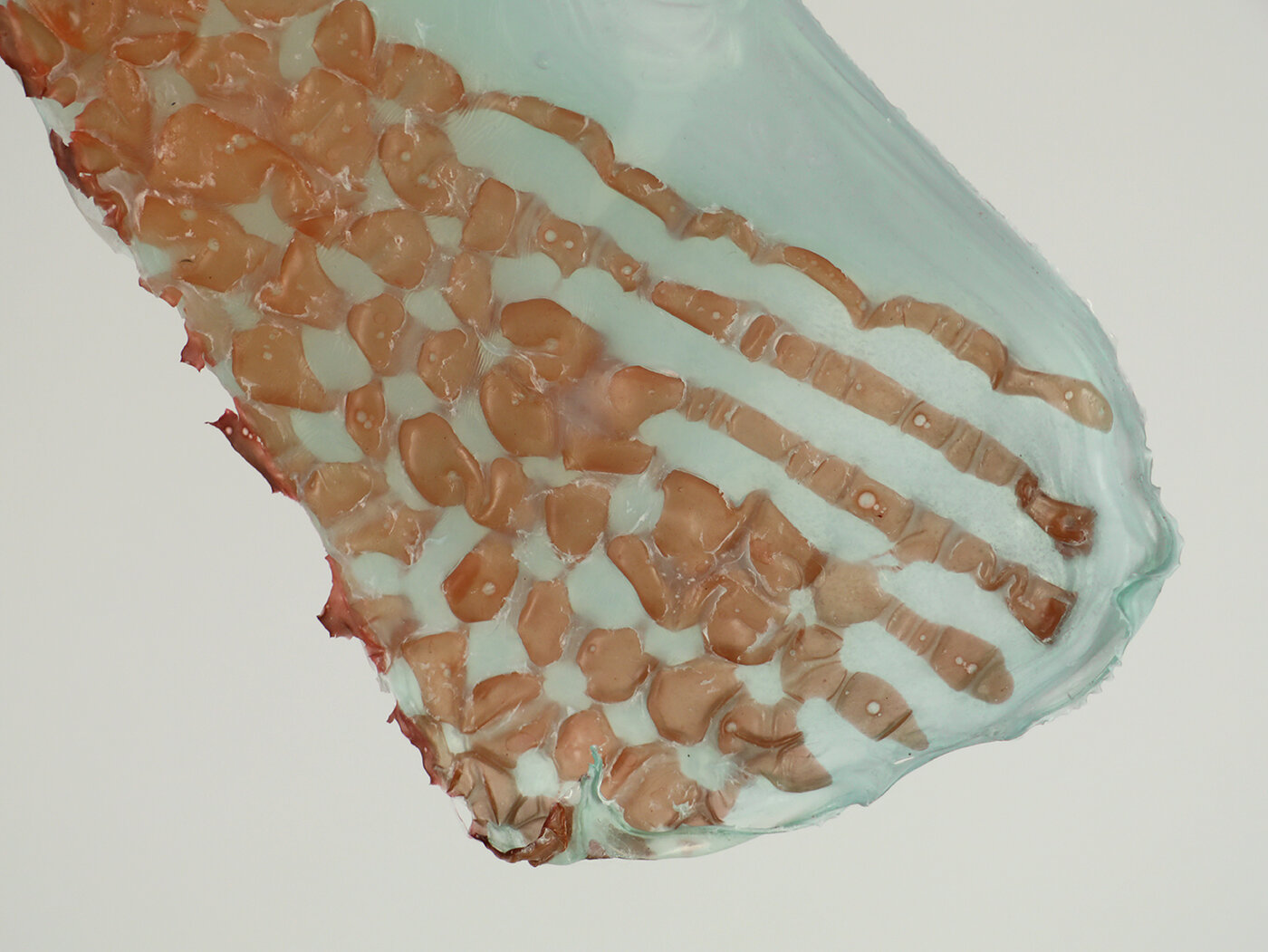
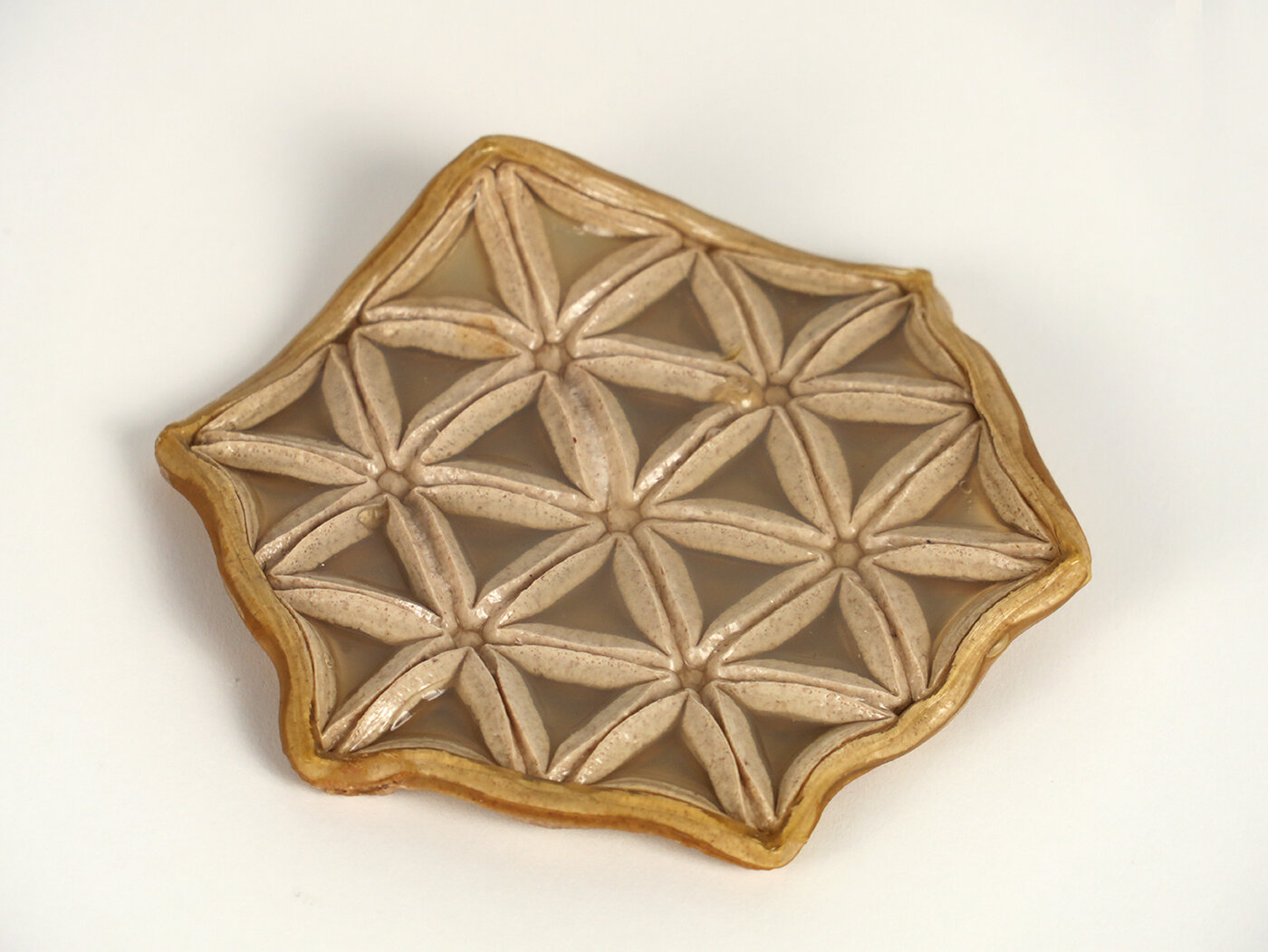
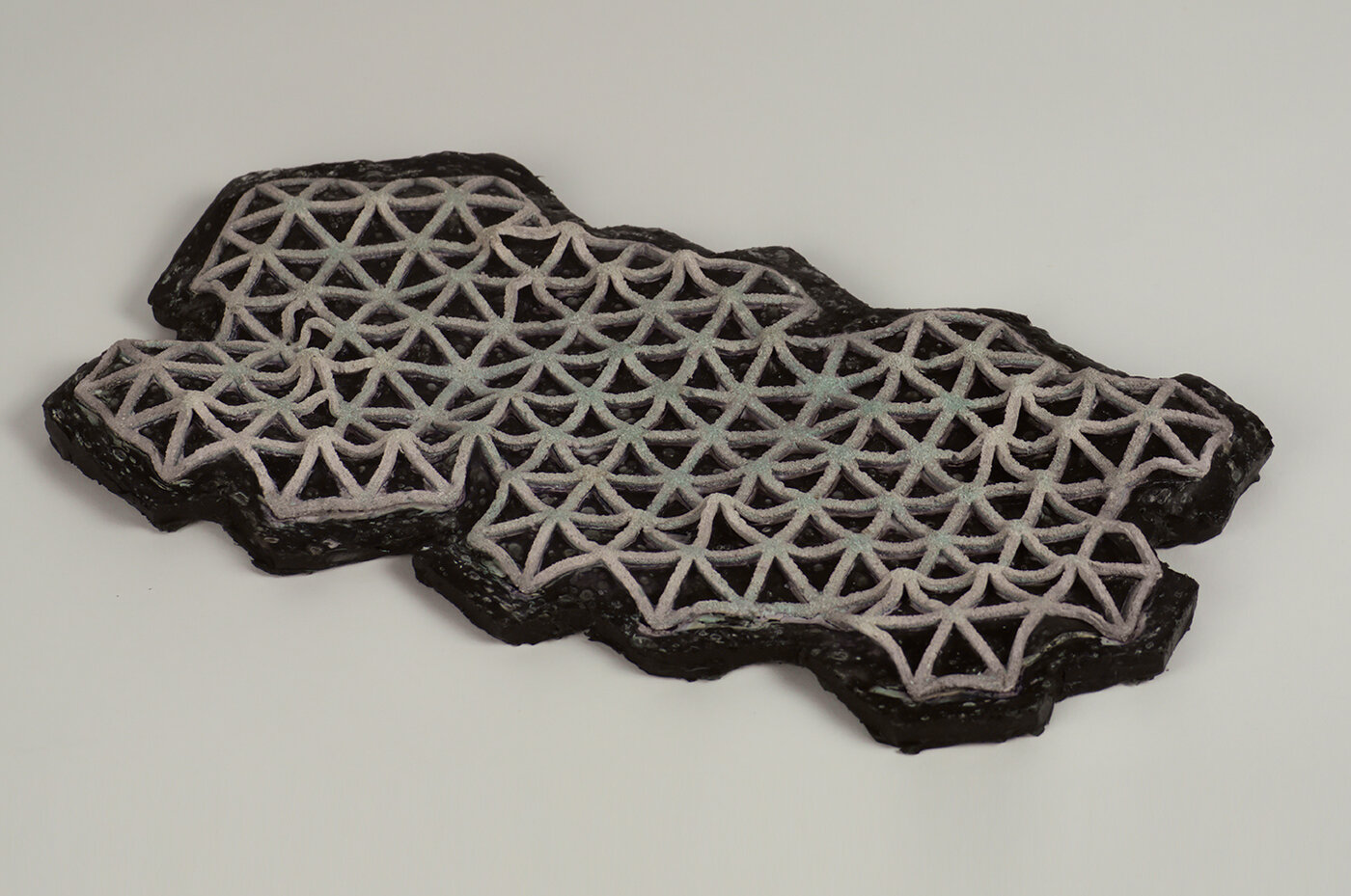
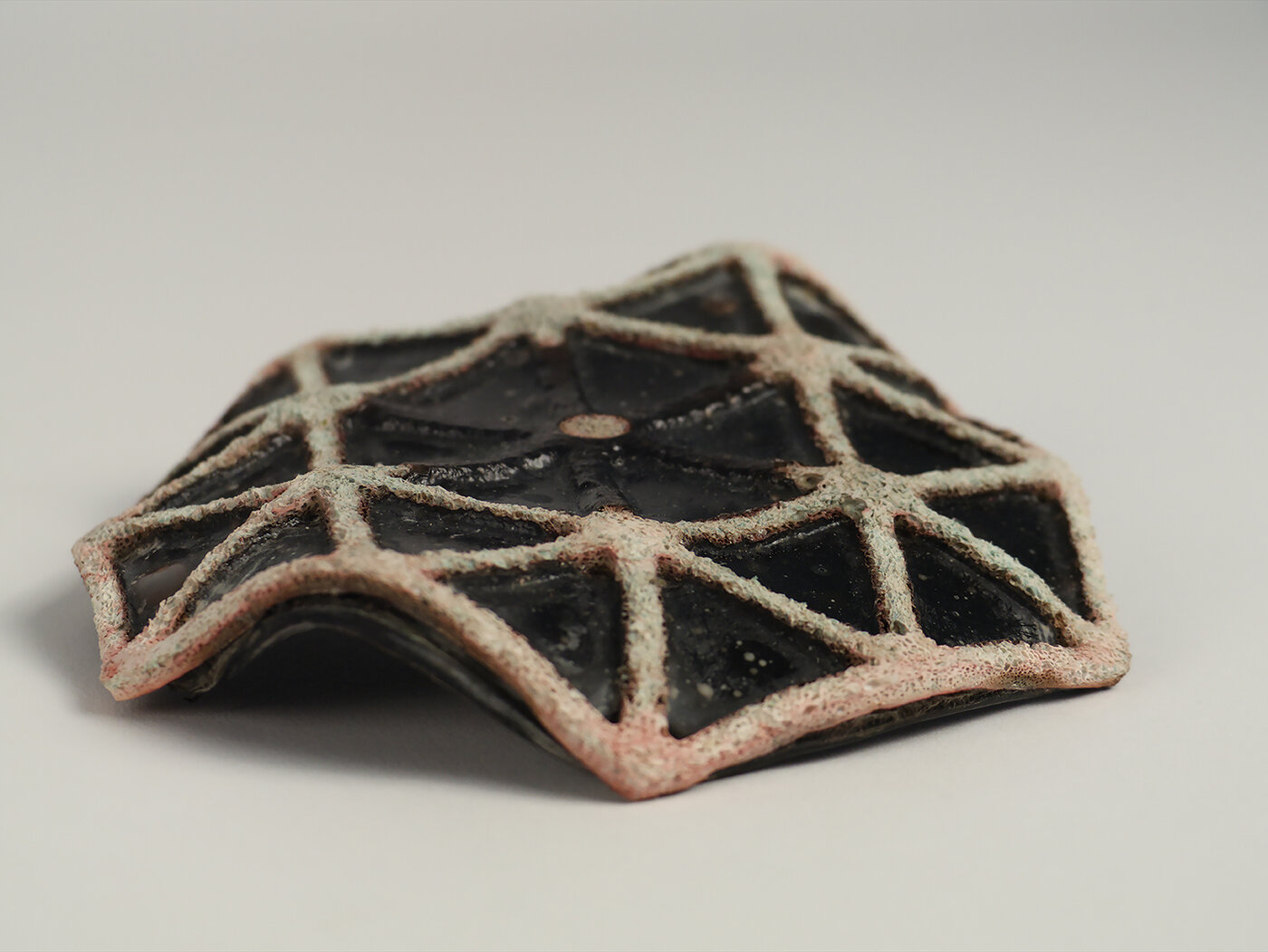
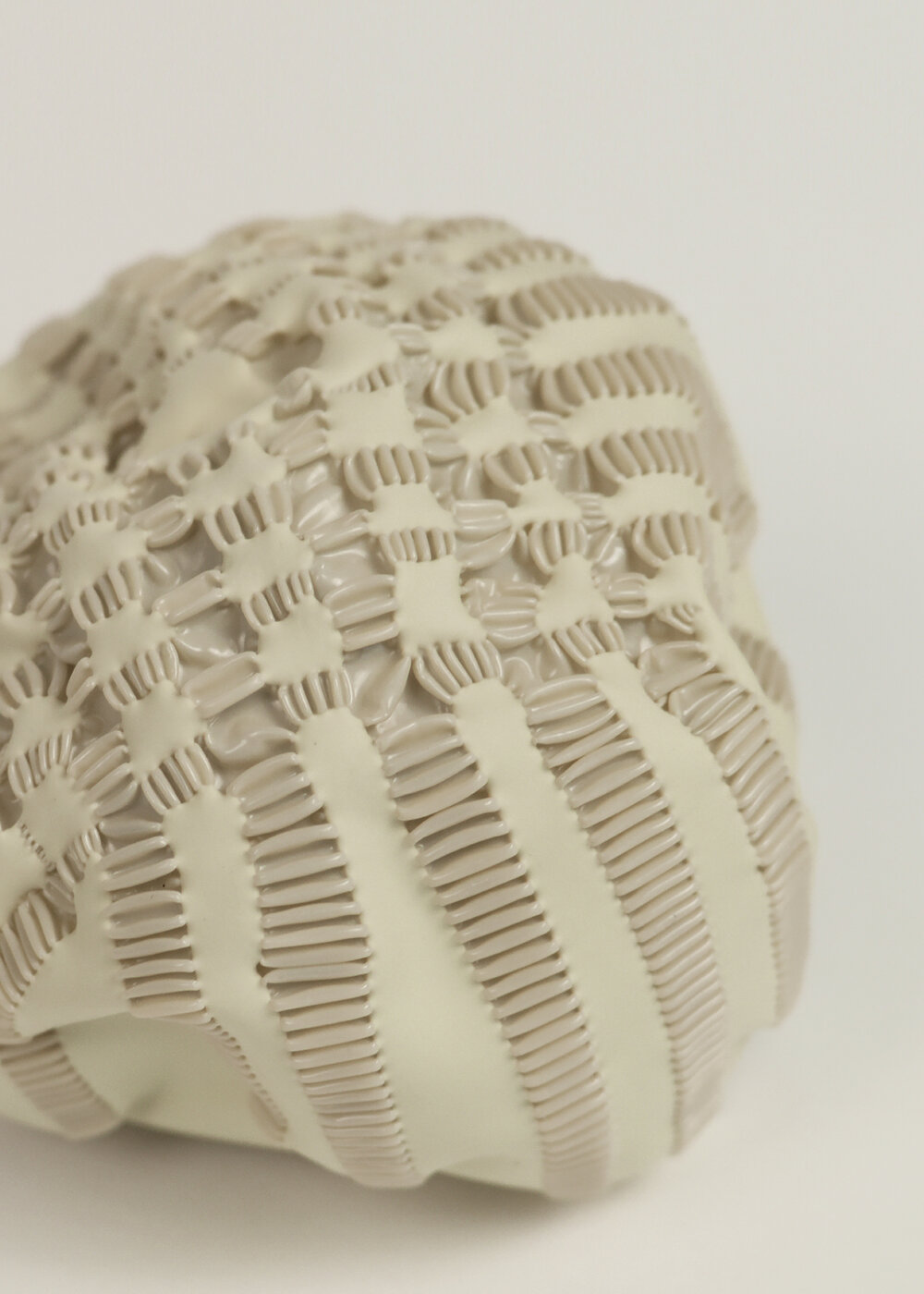
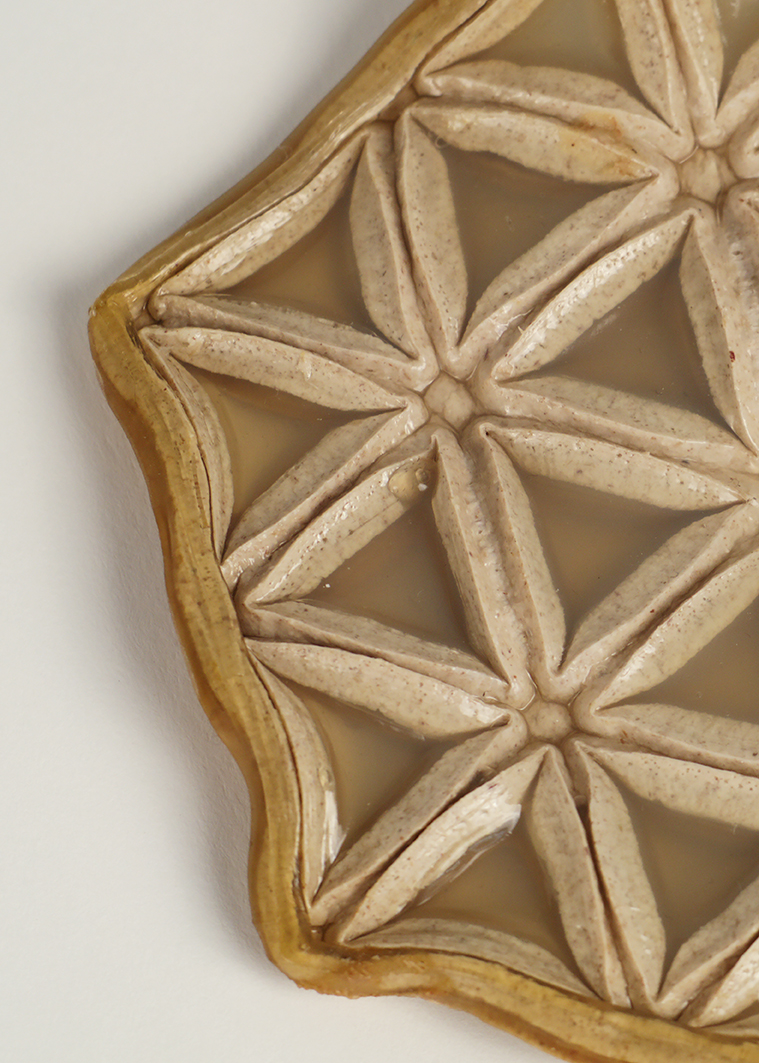
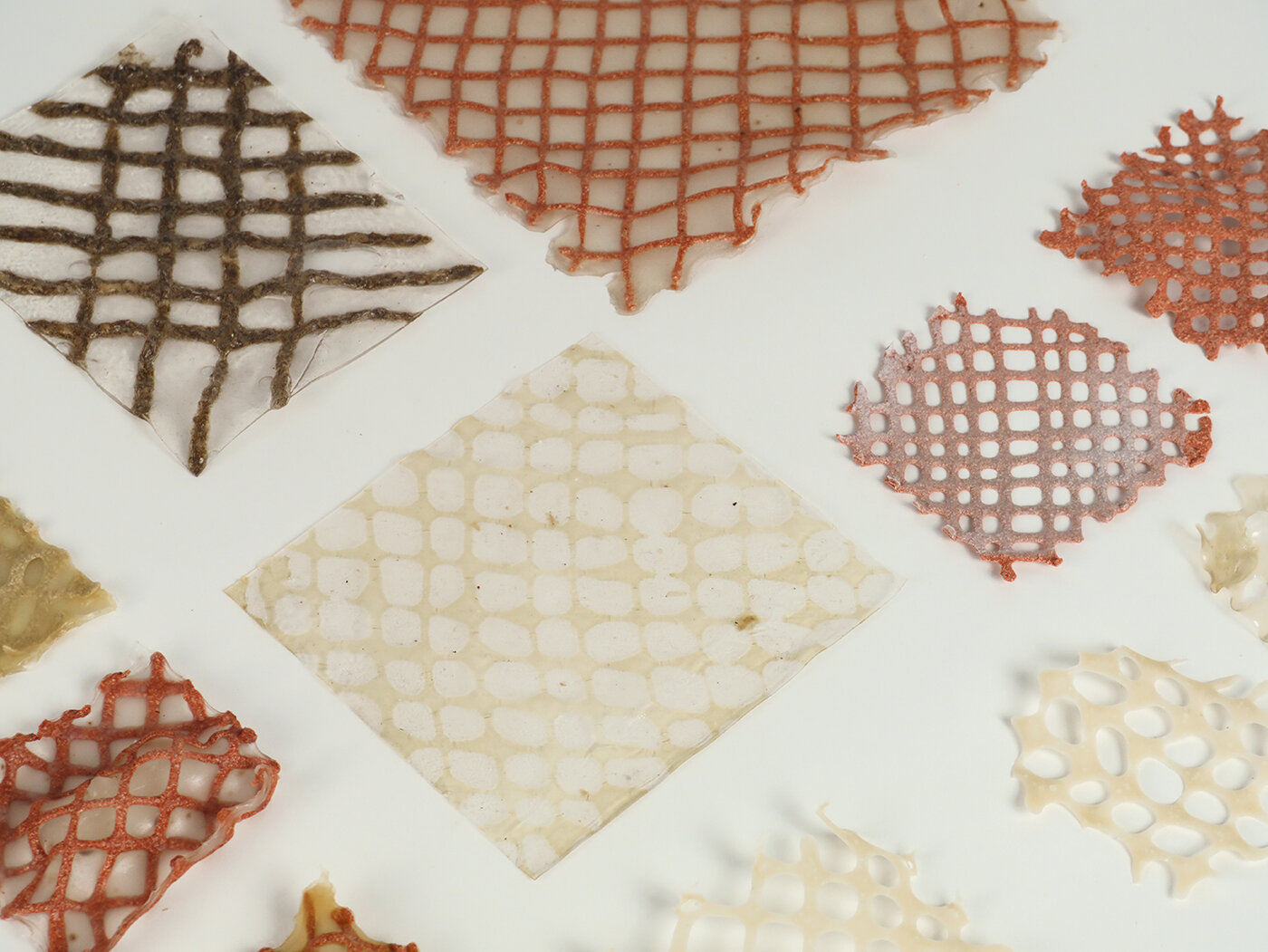
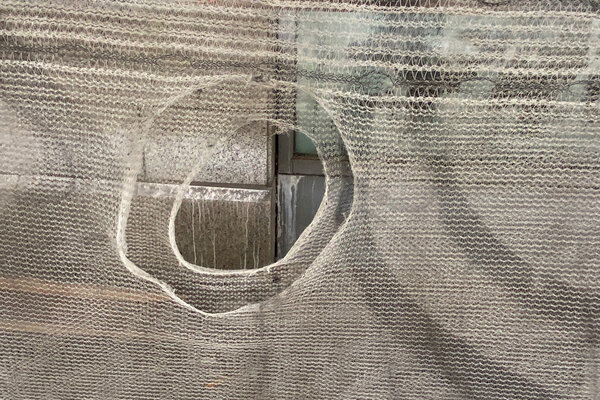
Transposed to our experiments, our aim has been to explore biomaterial combinations in order to develop composites consisting of closely interconnected layers resulting from the interaction between organic and inorganic components. To illustrate our research, we have further developed relevant experiments and eventually translated them into physical artefacts. The development of which is based on a subdivision of the components, or material layers, according to their functional roles.
Starting with a structural layer that can serve as a temporary or permanent scaffold, it continues with a suitable habitat in which microorganisms can grow. Finally, there is an outer, semi-permeable layer, which is the interface to the environment and therefore keeps the system open and closed at the same time.
The core themes of our work can be understood by means of a diagram that links the three complexes "Anthropogenic Activities", "Microorganisms" and "Matter". The interfaces and their related properties are not meant to be read as rigid and fixed, but rather to illustrate the areas where the Complexes flow into each other and where particular phenomena can be observed. It is difficult to consider these as independent aspects, as they inevitably influence and support each other on several levels.
Considering living materials as an interface between humans and the environment opens up new possibilities for design and, at the same time, for the development of new manufacturing technologies.
The Designed Behaviour interface describes the fundamental approach to design with living materials. It encompasses the possibility through biochemical processes to achieve certain material properties purposely.
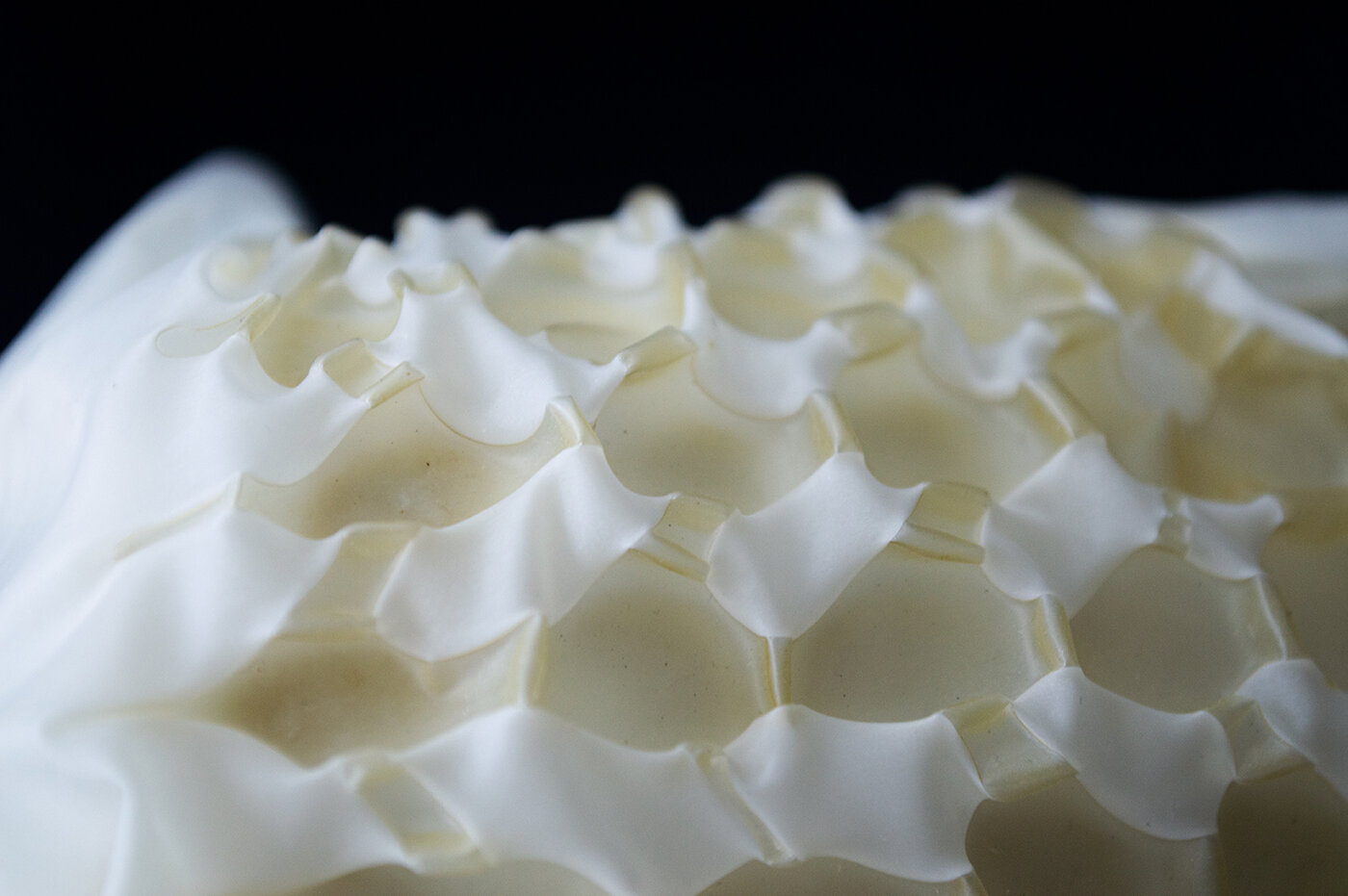
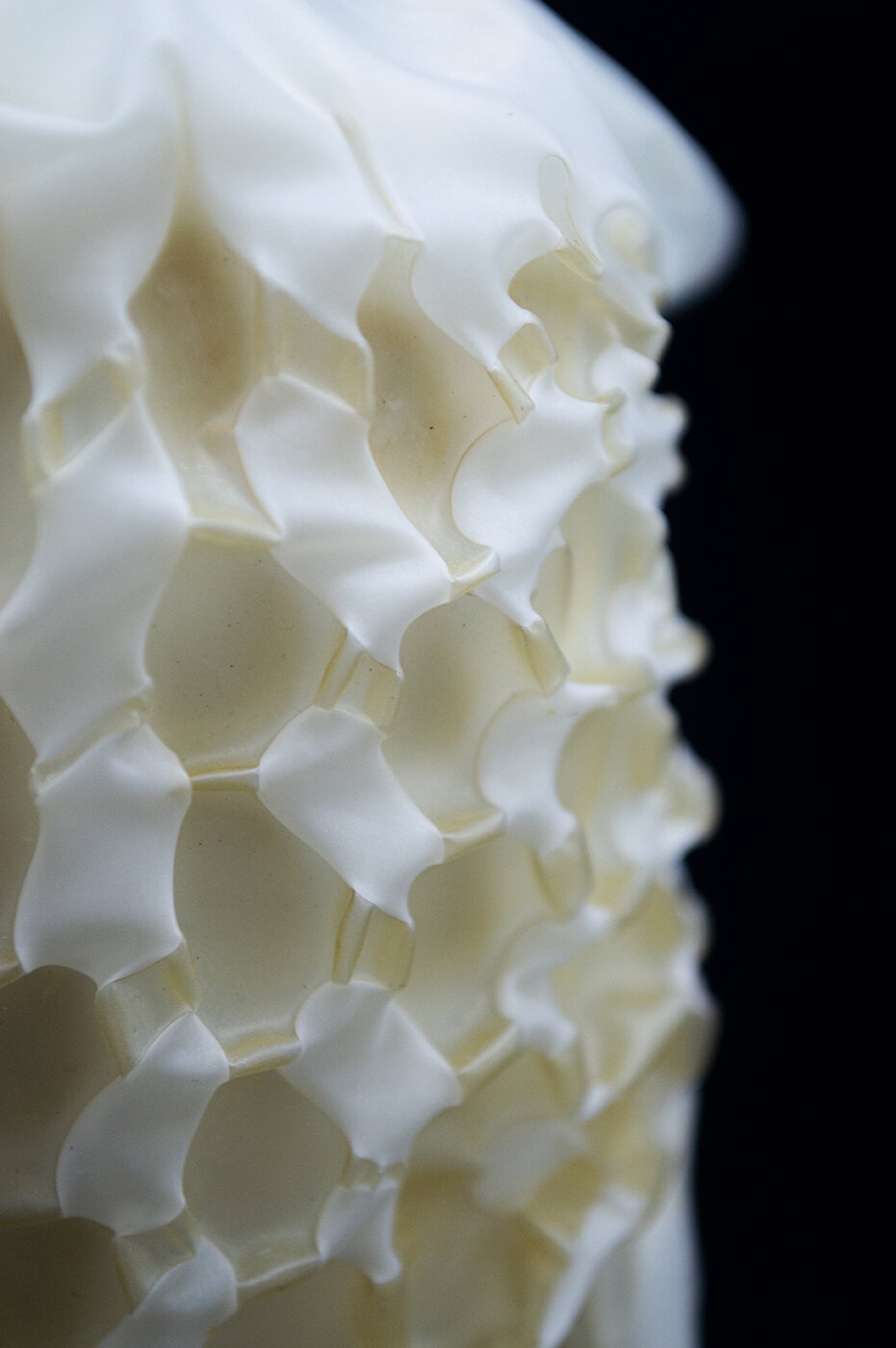
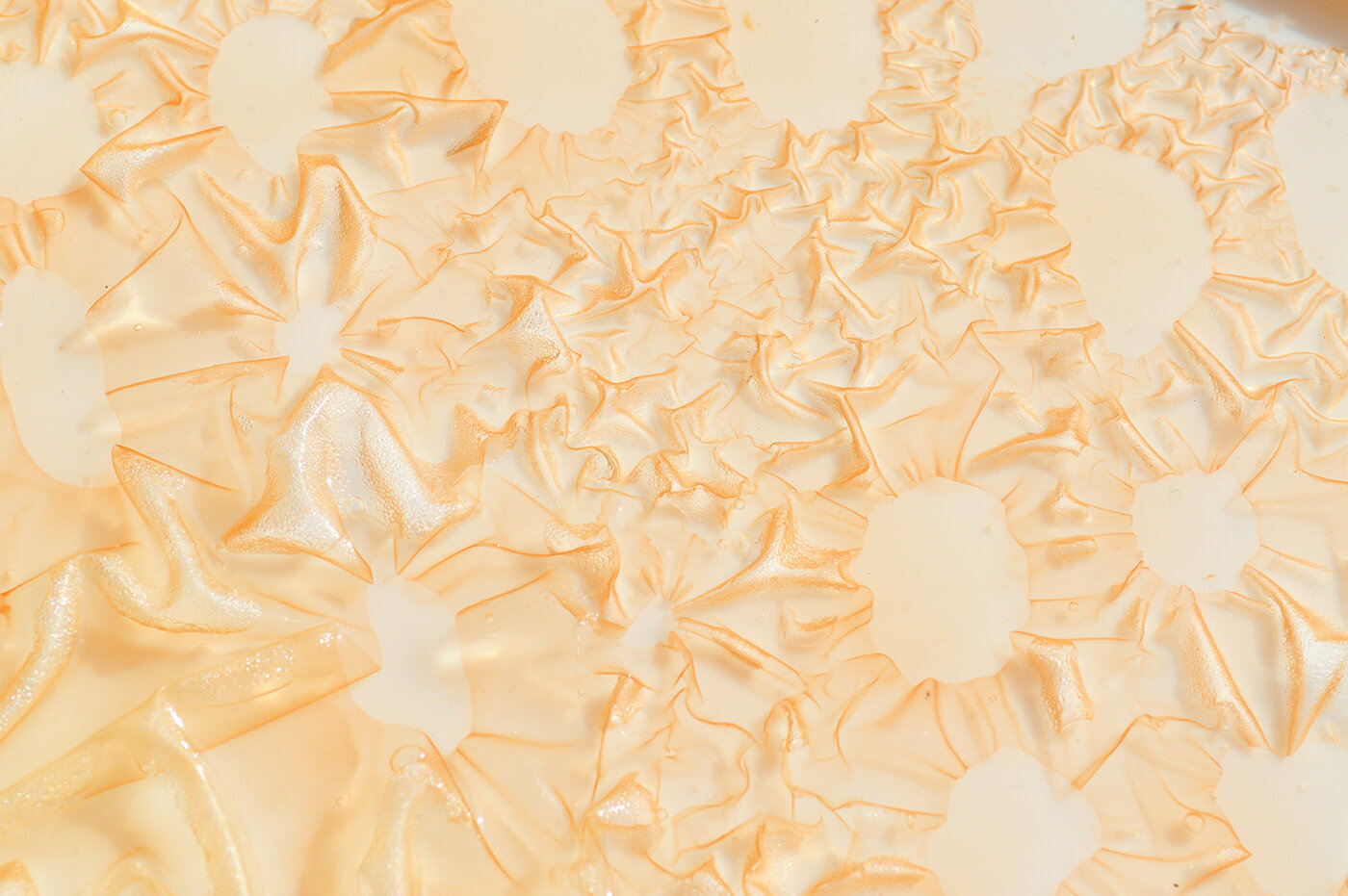
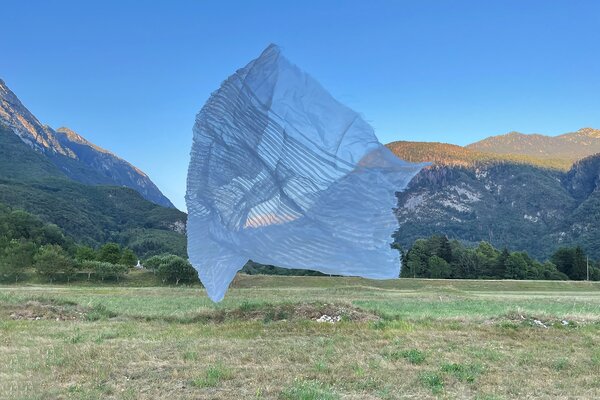
How would our material culture change if, unlike industrial manufacturing processes, we chose materials not according to their fixed mechanical properties and characteristics, but according to their possible behavioural patterns that occur due to the interaction between inorganic components and organic, microbial activities? In our experiments, for example, we demonstrated the targeted creation of inflated membranes or planned material deformation.
Under the section "Soft-Technology/Adaptive Interface", we are investigating the possibilities of generating shapes controlled by the specific combination of biomaterials and the geometric structure of the corresponding layers. Previously observed phenomena and processes of biochemical interaction between organism-material-environment can be specifically reproduced and adapted. In our artefacts, we focus on adaptability and reactivity.
By CoCreation we mean the overall approach towards working with organisms and how this might change our relationship to materiality in design and in general.
As soon as raw resources are removed from the environment in order to be processed into materials, this matter loses the ability to transform itself. This happens in benefit of our current production systems. We need passive material to be able to predict how it will behave. It represents a gamble to grant room for the unforeseeable. In relation to materials, sensitivity is considered something negative. However, we do not see this sensitivity as a weakness, but rather as the greatest strength of living materials. By being open towards embracing transformation and being willing to relinquish control to other organic influences, an infinite spectrum of new perspectives and opportunities opens up. Are we able to rethink design with a different attitude for and with our environment's system, considering ourselves as part and not as the centre of our surroundings?