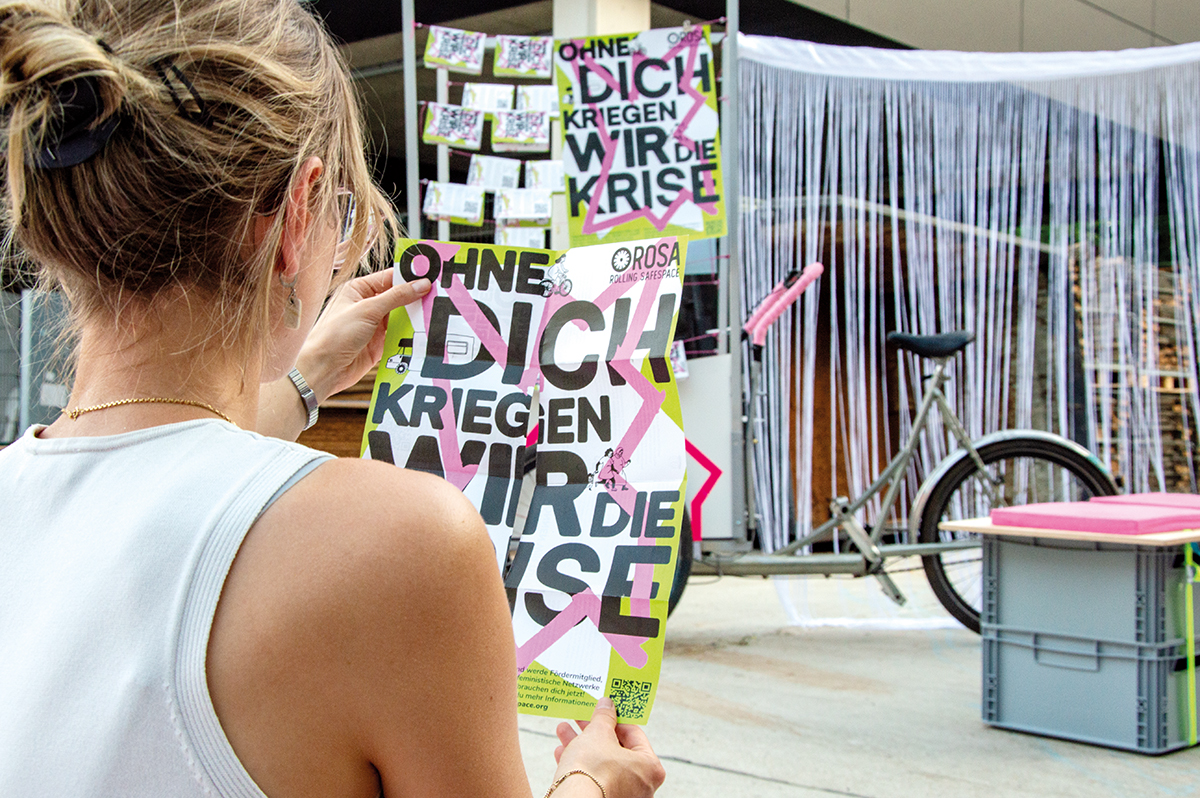
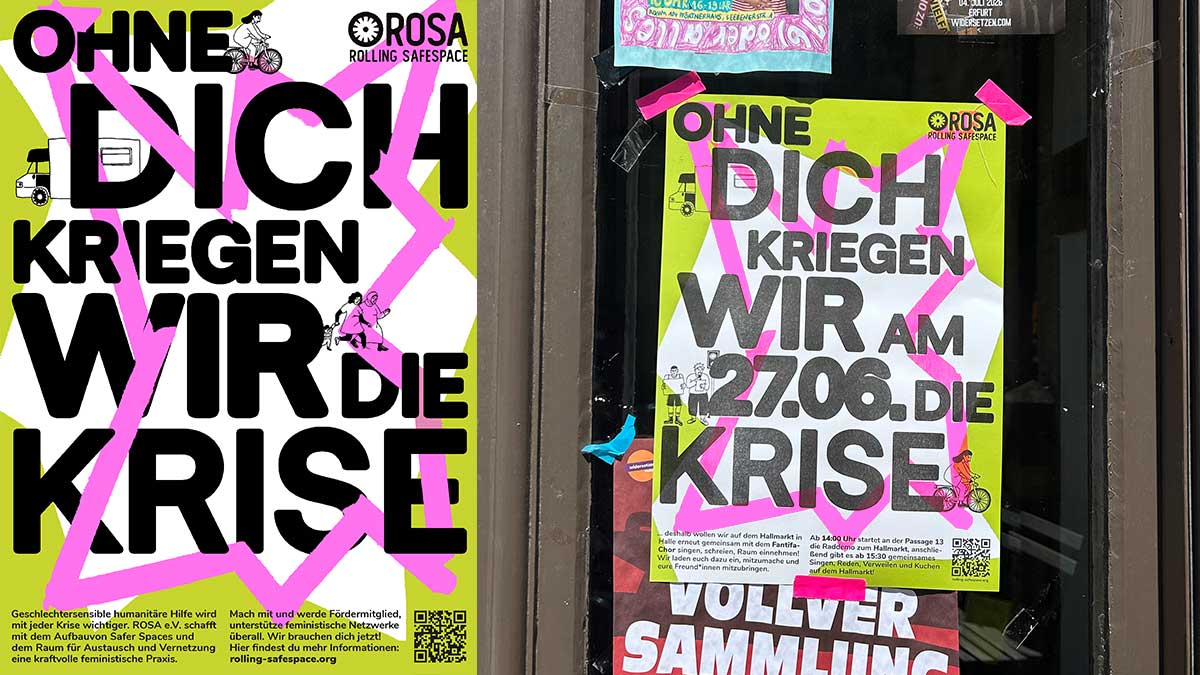
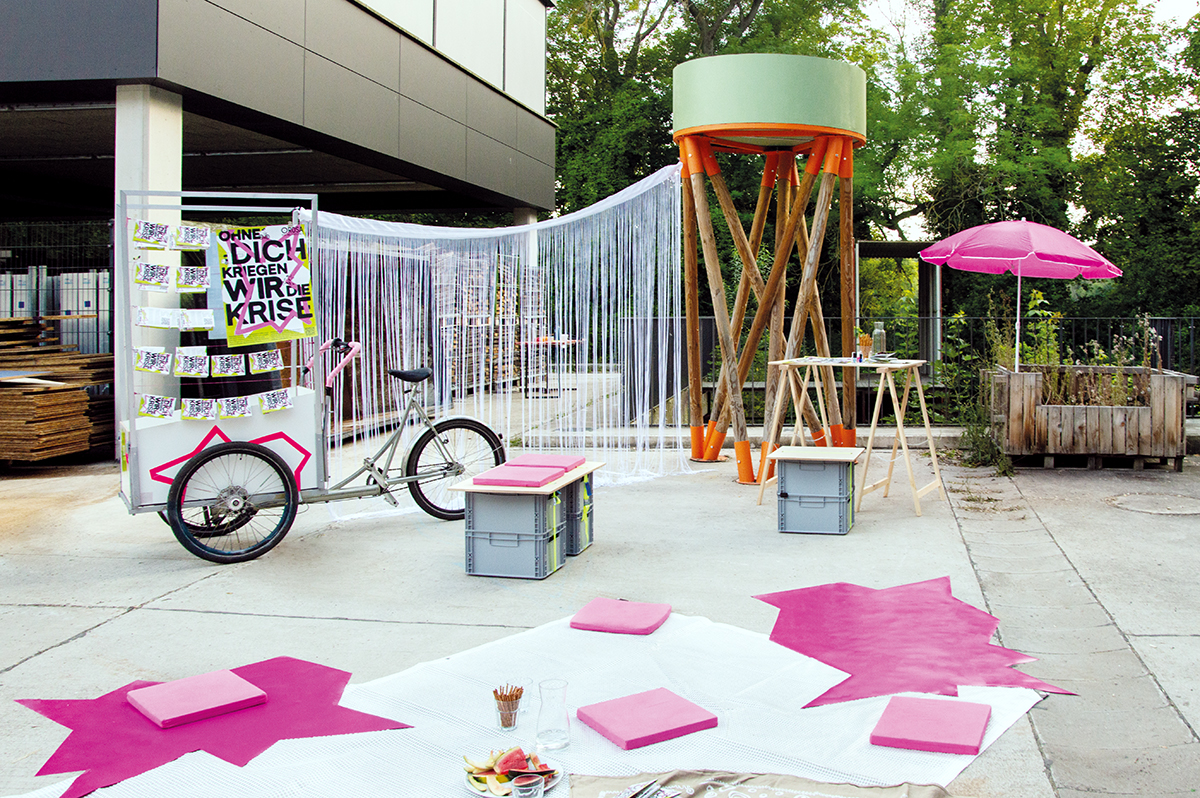
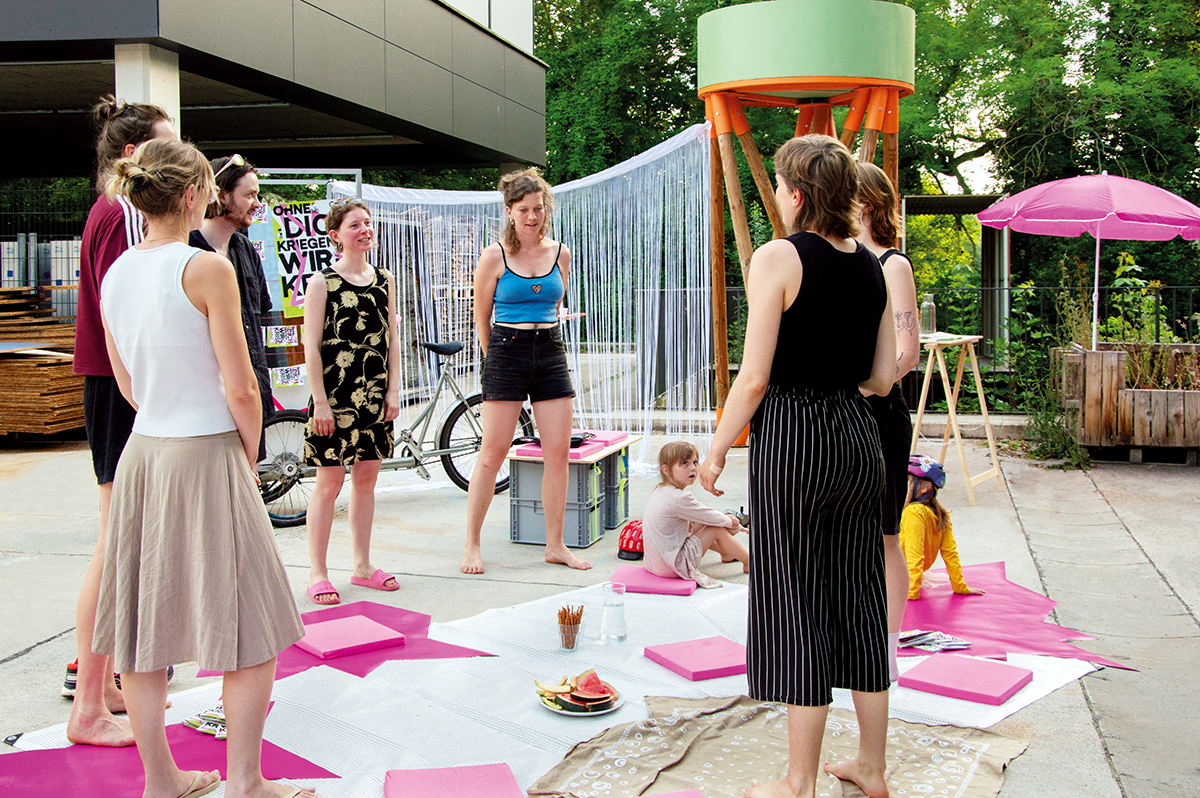
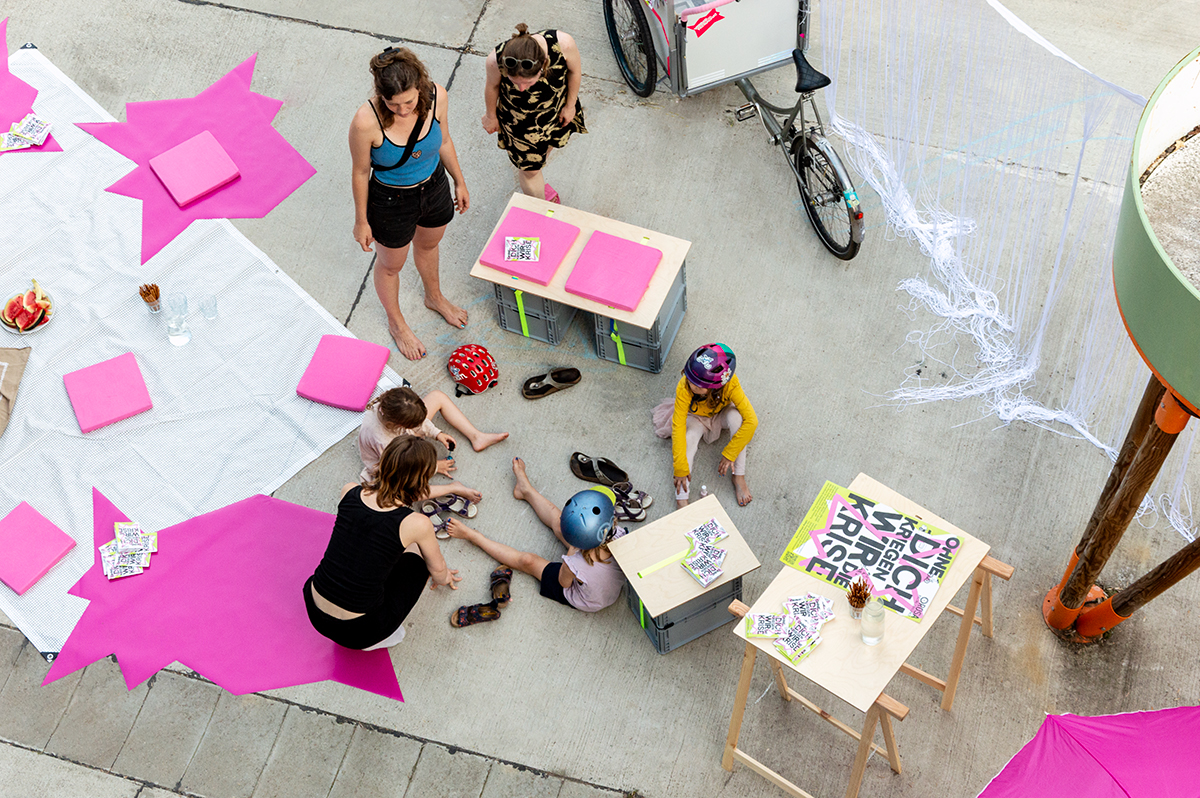
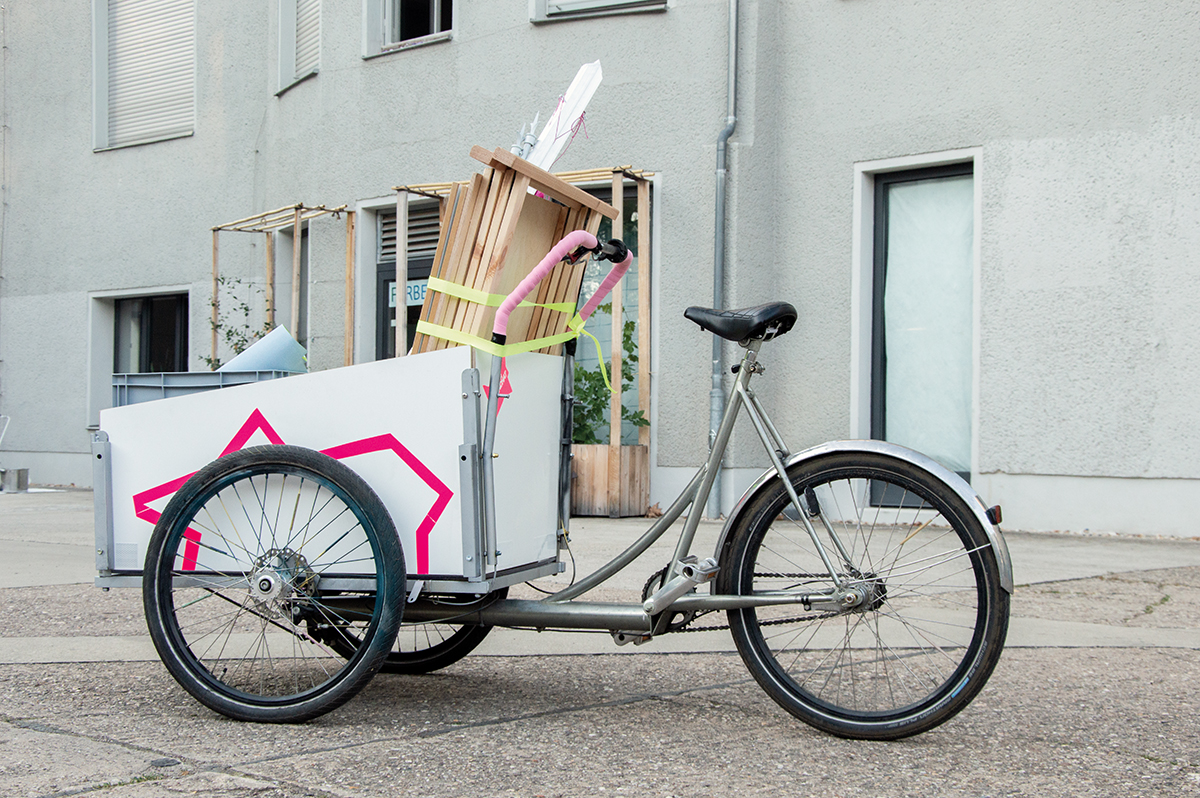
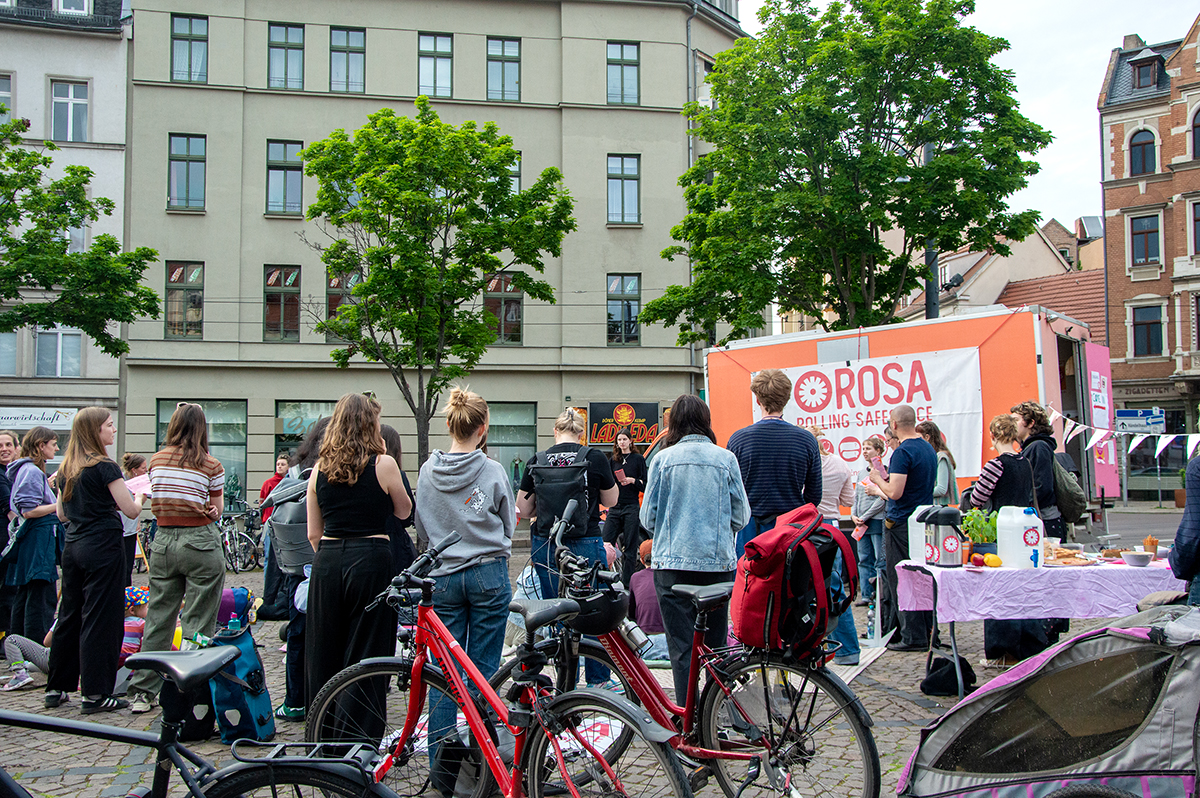
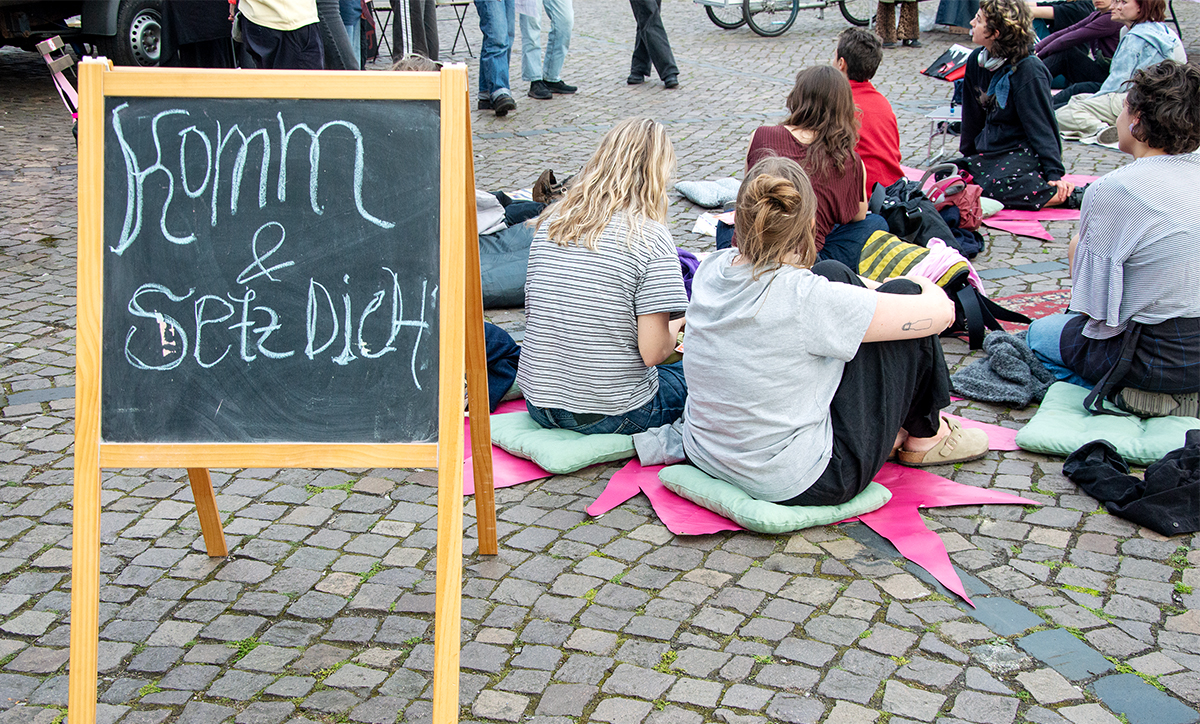
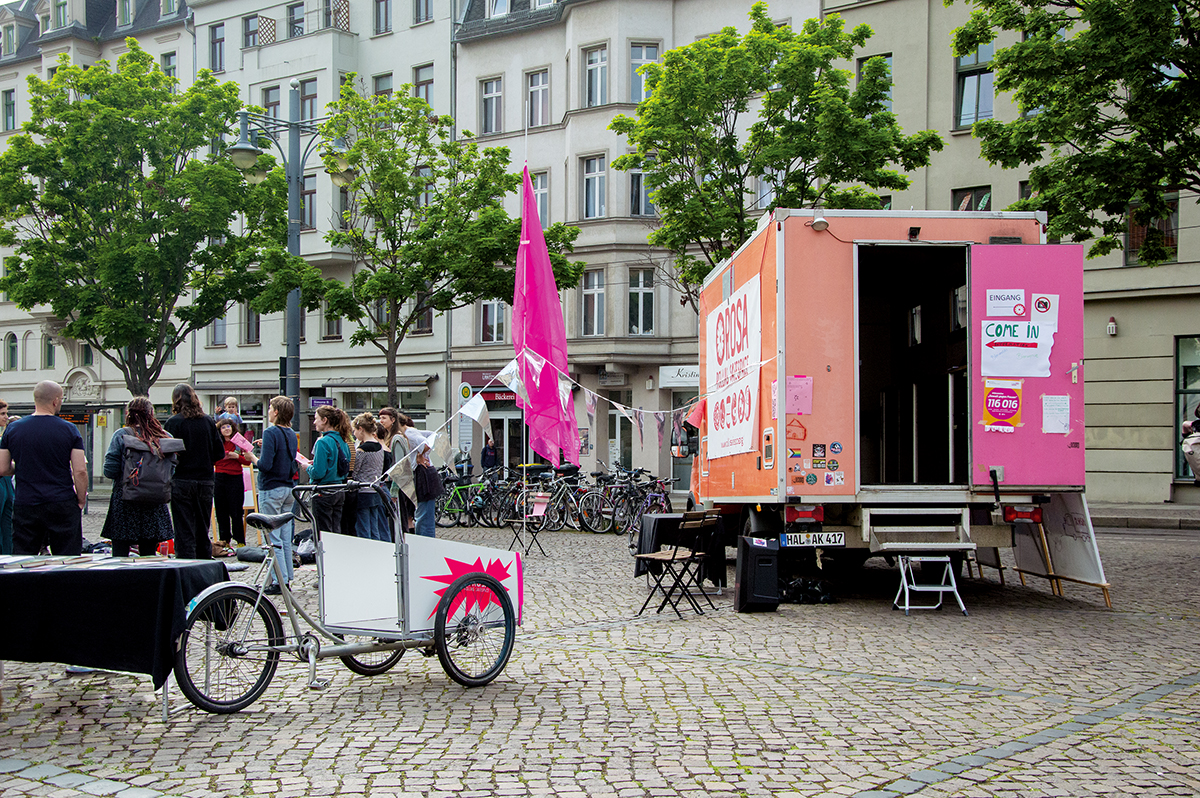
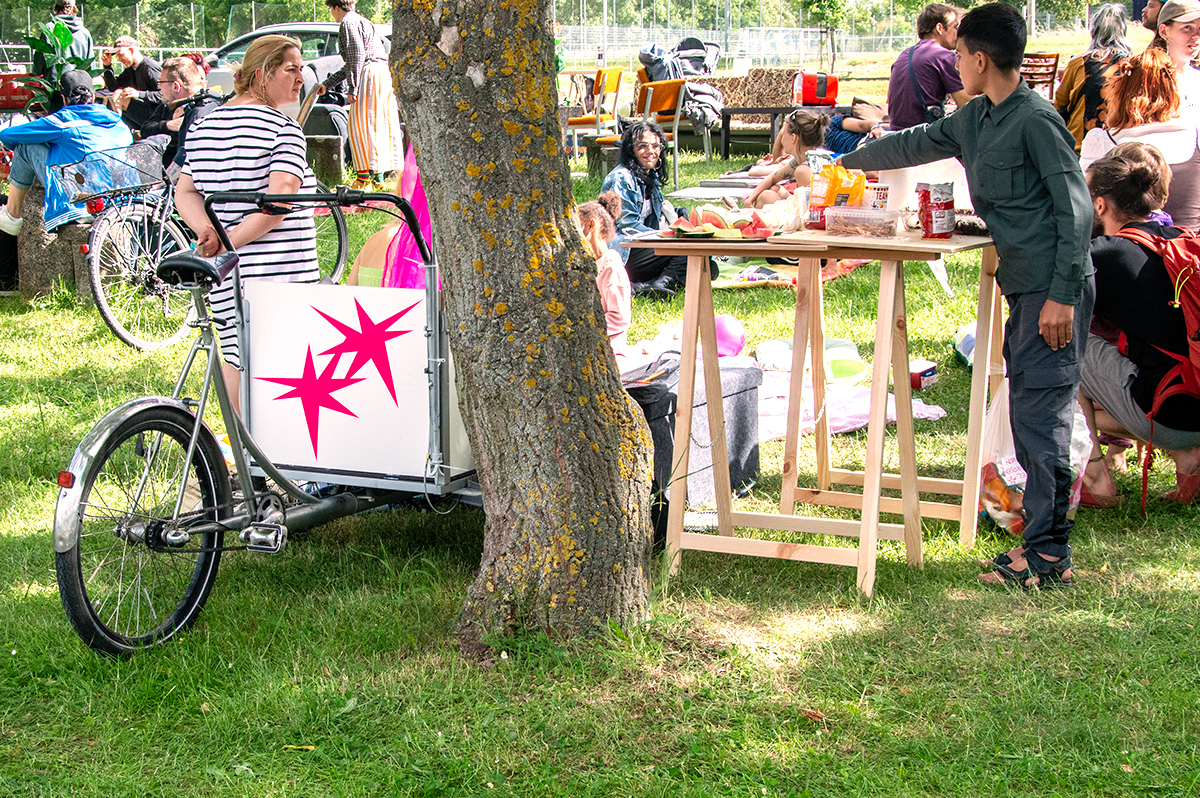
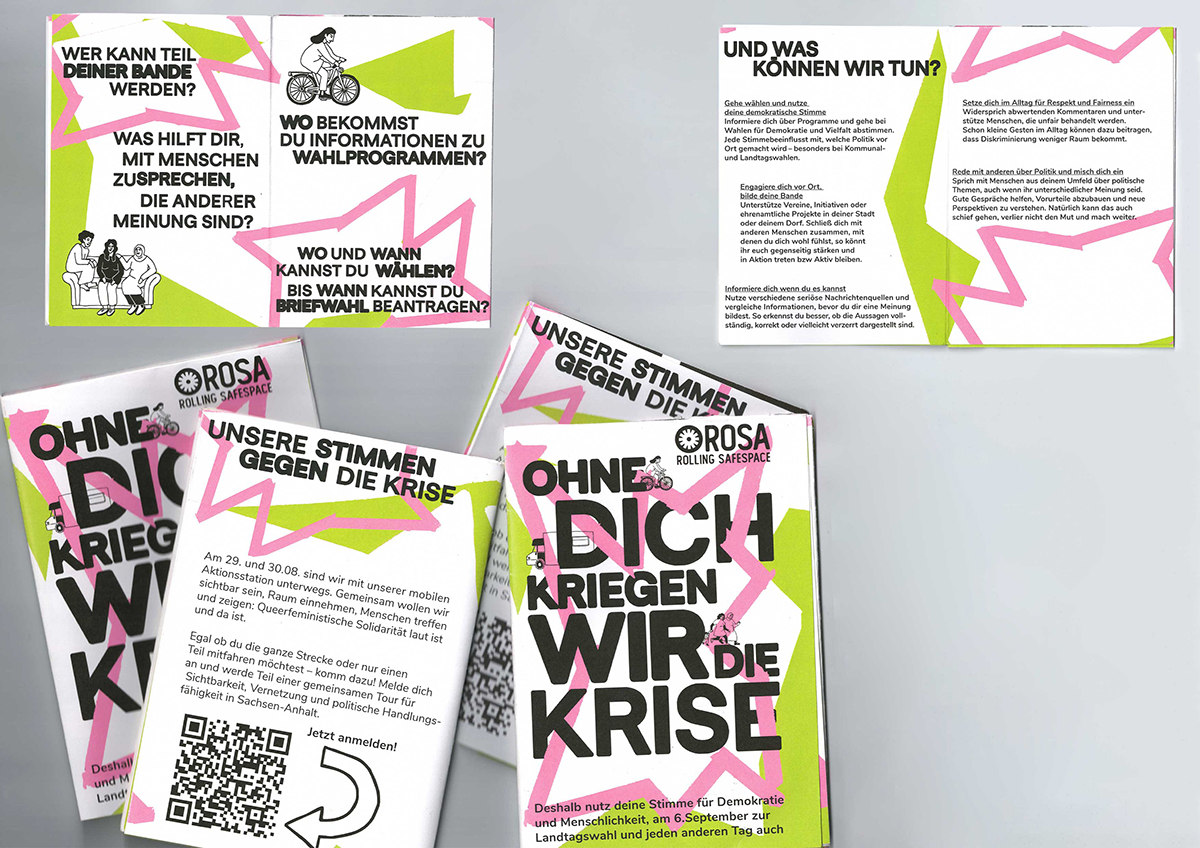
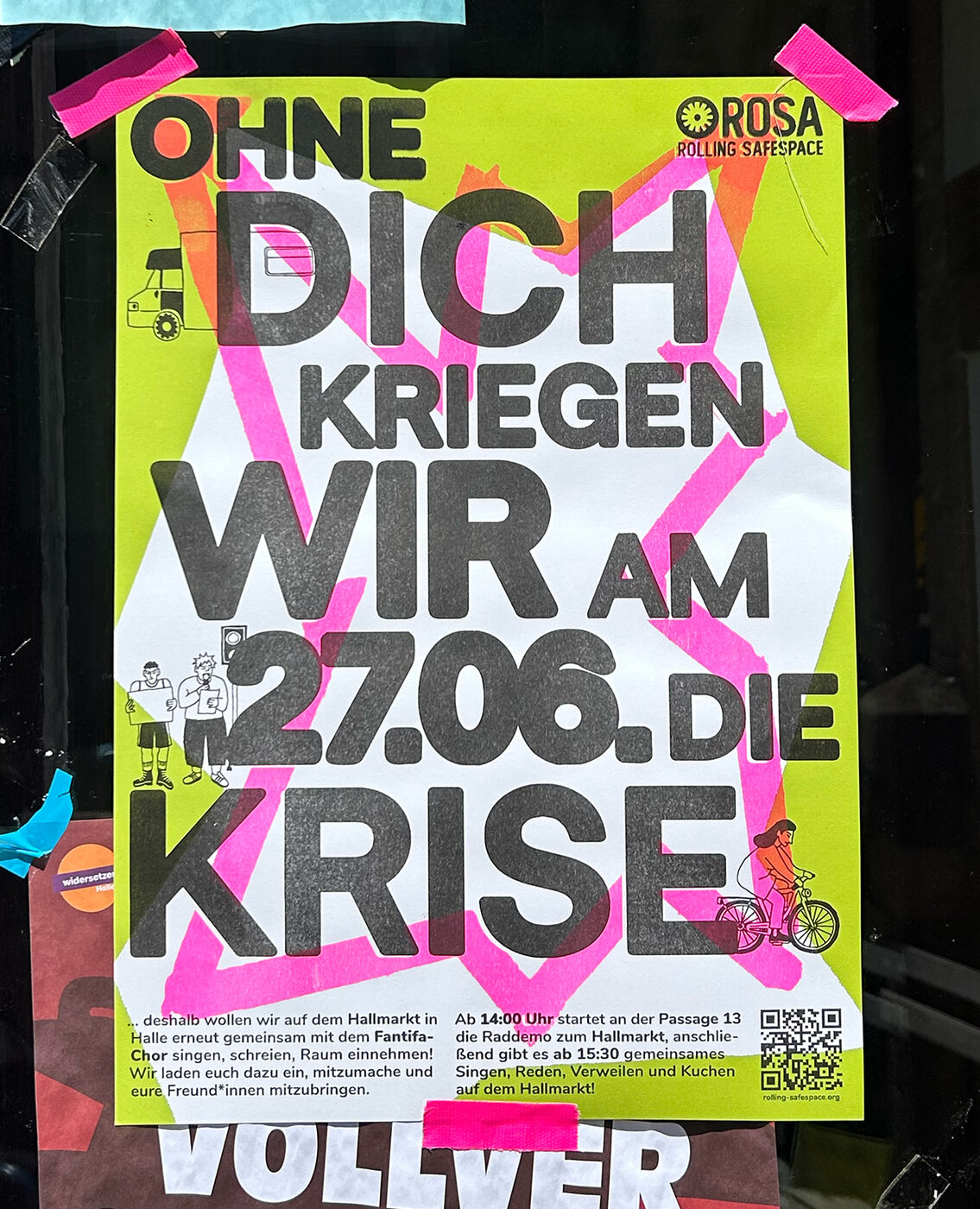
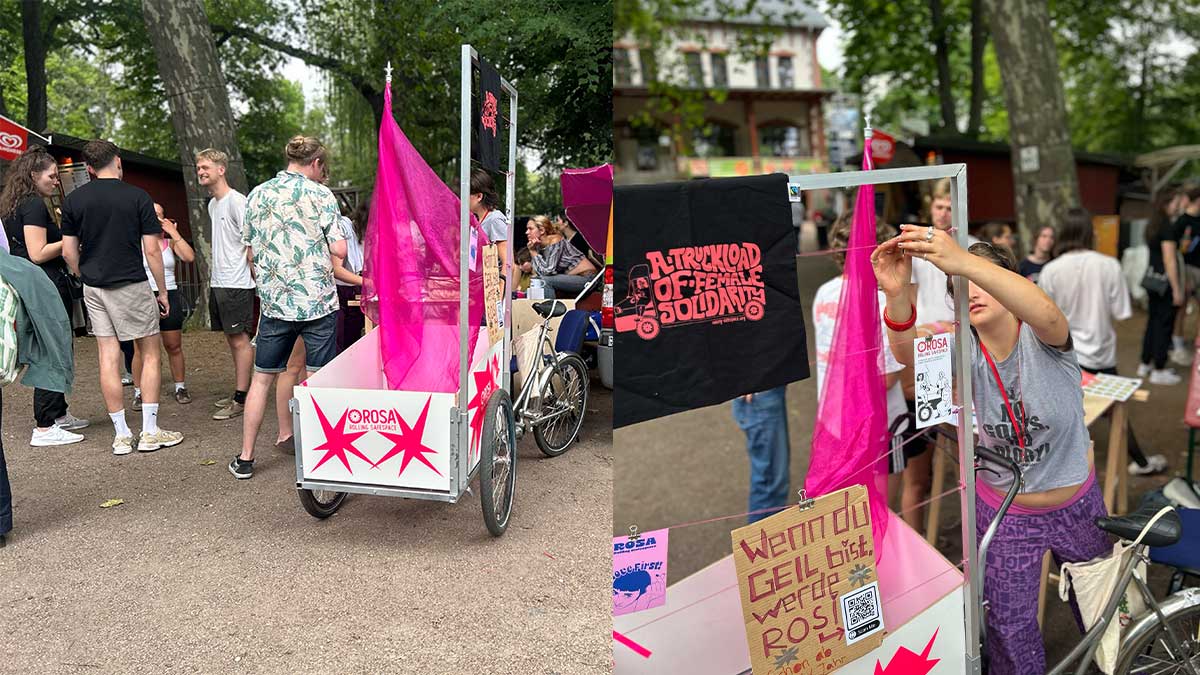
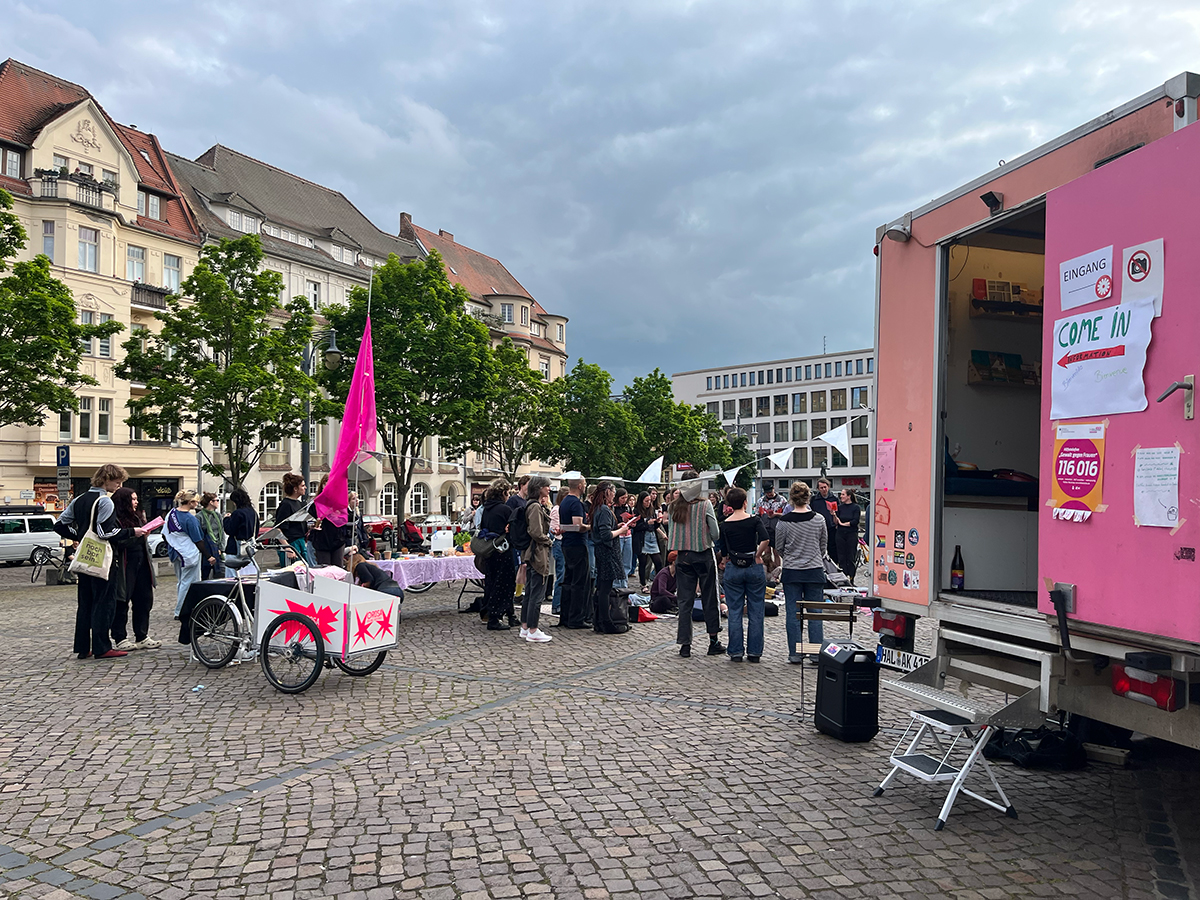
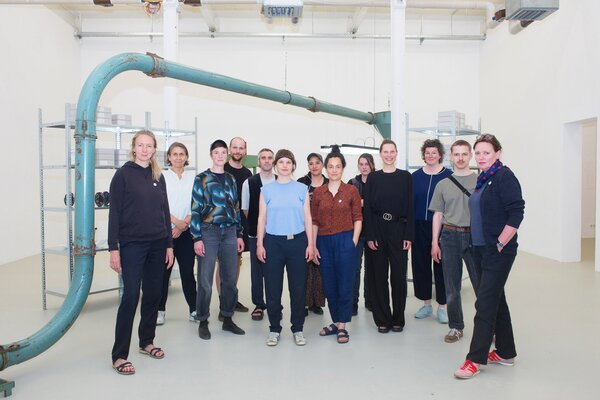
Are there safe spaces for women, lesbians, inter, non-binary, trans, and agender people in Saxony-Anhalt? Do they exist outside of major cities as well? What do these places look like—and how can FLINTA* get there? My master’s thesis, “Unsere Stimmen gegen die Krise—Mobile Action Station and Campaign as Dialogic Design Practice,” addresses these questions and aims to translate intersectional, queer-feminist perspectives into concrete practice. A society structurally shaped by patriarchal violence manifests this not only in everyday forms of exclusion but also in concrete threats to FLINTA* individuals. Electoral successes by the established far-right AfD party are exacerbating this situation, particularly in light of the 2026 state election. The project counters this state of affairs with visibility, networking, and the capacity for collective action. Together with ROSA e.V., I am developing a mobile action station for this purpose. The starting point is the question of how safe spaces for FLINTA* people can be created and maintained. It aims to emerge where safe spaces are lacking, to make marginalized perspectives visible in public spaces, and to create temporary venues for exchange, networking, and collective action—accessible, flexible, and on an equal footing. A bike tour open to everyone is planned for the summer of 2026 through smaller towns in Saxony-Anhalt. The tour will visit local queer-feminist projects and initiatives, invite participants to join collective actions, and help them network with one another. In collaboration with ROSA e. V., the VerRAD is being developed as a sustainable mobile infrastructure that can continue to be used for actions, campaigns, and political education in Saxony-Anhalt even after the master’s project concludes. The concept is being developed based on needs in close collaboration with the association’s project coordination team. The project explores how design, political outreach, and queer-feminist networking can work together. The project is aimed primarily at FLINTA* individuals and responds to experiences of isolation, insecurity, and political powerlessness. Through actions such as “Singing, Shouting, Sitting, Coming Together Against the Crisis,” temporary spaces of empowerment are created where community, visibility, and self-efficacy can be experienced.
Without you, we’ll face even more crises.